
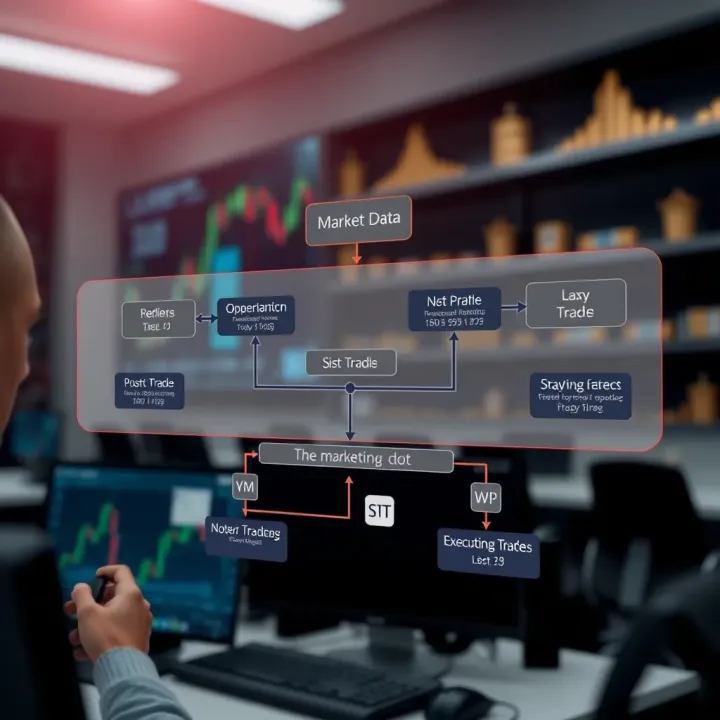
Understanding Free Trading Bots in South Africa
🤖 Learn how free trading bots work, their benefits and risks, plus practical tips for South African traders to automate trades safely and effectively with no upfront cost.
Edited By
Benjamin Foster
AI forex trading bots have gained traction among traders worldwide, and South Africa is no exception. In essence, these bots are computer programmes that use artificial intelligence to analyse huge sets of currency market data and execute trades automatically — often within milliseconds. They take away much of the grunt work and emotion involved in trading.
These trading bots typically scan for patterns, trends, or anomalies in forex charts. When certain conditions are met, they act without waiting for human input. This can be especially handy during volatile market phases, like when global political events cause sudden currency swings.
Using AI bots doesn't guarantee profits but can bring consistency and speed where human traders might trip up.
Some AI bots use machine learning, meaning they adapt their strategies by learning from past trades. Others work off predefined rules set by developers or users. In South Africa, with the rand's sensitivity to factors such as commodity prices and local economic developments, these tools can help manage quick responses to market shifts.
But it is worth noting the risks too: bots might misread data, or external shocks can overwhelm their programmed logic. Also, costs like subscription fees or requiring a powerful computer setup can add up.
Understanding how AI forex trading bots work, their strengths and drawbacks, and how to integrate them with your personal trading strategy is essential. This article aims to offer clear insights with a South African market perspective, helping you decide if this tech fits your trading toolbox.
Understanding how AI forex trading bots operate is central to using them effectively in your trading strategy. These bots use artificial intelligence to process vast amounts of market data swiftly, enabling them to spot trading opportunities faster than a human ever could. Their operation rests on a mix of machine learning models, data analysis, and algorithmic execution that, when combined, help traders act with precision and speed.
Machine learning models enable bots to forecast currency price movements by analysing historical data patterns. These models adapt over time, learning from new data points to improve the accuracy of their predictions. For example, if a bot trained with past EUR/USD data notices a repeating pattern before a market surge, it can predict similar future movements. This predictive power assists traders by suggesting potential entry and exit points backed by data-driven insights.
AI bots excel at recognising complex patterns that might evade human traders. They scan charts, economic reports, and sentiment indicators simultaneously, identifying correlations like how specific economic indicators influence currency pairs. For instance, a bot might correlate South Africa’s inflation data releases with ZAR/USD fluctuations, helping adjust its trading approach in real-time. Such detailed analysis sharpens decision-making by basing trades on multifaceted market behaviour rather than on gut feeling.
Once data is analysed, AI bots automatically execute trades based on pre-set criteria or learned strategies. This automation removes emotional biases common in human trading, such as panic selling or holding onto losers too long. Imagine a bot set to cut losses at a 1% fall; it will trigger the sell automatically without hesitation. This speed and rule-based approach ensure timely actions that can protect capital or lock-in profits, especially in volatile markets.
Forex bots operate on algorithms—step-by-step programmed instructions—that dictate when and how trades occur. These algorithms account for multiple factors like price trends, moving averages, and volume to make buy or sell decisions. For example, a simple algorithm might instruct a bot to buy when a currency crosses above its 50-day moving average. Such clear-cut rules allow consistent decisions without needing constant human oversight.
Effective bots rely on both past and live market data. Historical data helps bots learn and test their strategies through backtesting—a practice where a trading strategy is simulated using old data to evaluate profitability. Real-time data, however, drives immediate trade execution, reacting to sudden changes like a surprise interest rate announcement from the South African Reserve Bank. This combination ensures strategies are both tested and adaptable.
Bots must connect seamlessly with trading platforms (like MetaTrader or cTrader) to place trades effectively. This integration demands compatibility with the broker's technical infrastructure and access to features like order types, stop losses, or trailing stops. For South African traders, it's vital that the bot works smoothly with local brokerages supporting the rand (ZAR) and meets regulatory standards. Such tech harmony ensures smooth operations without glitches during high-stakes trading moments.
Trading bots operate at the intersection of technology and market insight, providing traders with speed and precision difficult to match manually. Knowing how they work helps you set realistic expectations and use them wisely, especially in the fast-moving South African forex market.
AI trading bots offer several advantages that can significantly affect your forex trading experience. Their ability to execute trades swiftly and efficiently, combined with constant operation without fatigue, makes them increasingly valuable, especially in the fast-paced forex market.
Handling high-frequency trades: AI bots excel at processing vast amounts of data and executing trades in milliseconds, a speed no human trader can match. This capability is crucial in high-frequency trading (HFT), where profits hinge on small price changes captured repeatedly throughout the day. For example, a bot can seize fleeting arbitrage opportunities across multiple currency pairs before the market adjusts.
This speed also helps mitigate slippage — the difference between expected and actual trade prices — by entering and exiting trades quickly and precisely. For South African traders dealing with volatile markets or bursts of activity during certain sessions, this means better trade entries and exits, reducing costly delays.
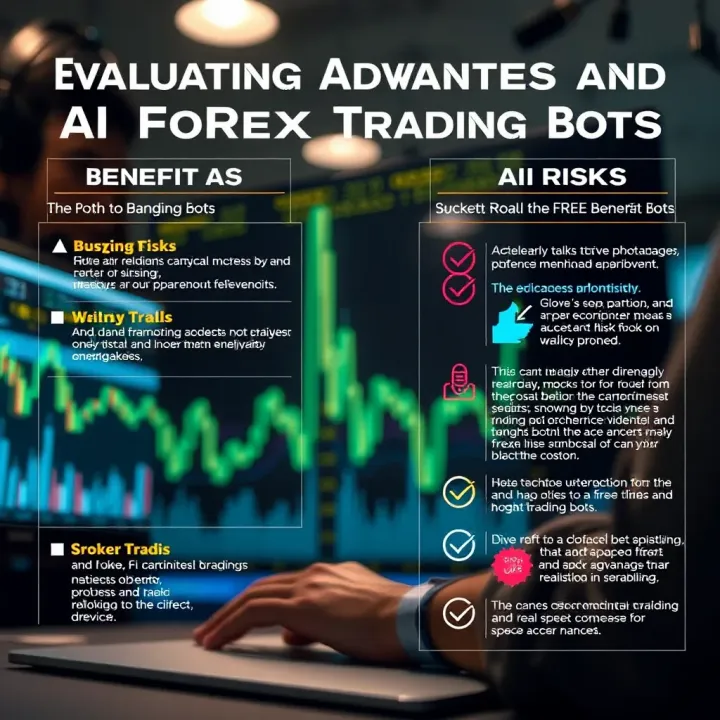
Reducing human emotional bias: Emotion often clouds judgement, leading traders to hold losing positions too long or sell winners prematurely. AI bots simply follow predefined algorithms, undeterred by fear or greed. They stick to their strategy regardless of unexpected news or market hype.
For instance, during sudden market swings caused by economic data releases or geopolitical events, a human might panic and exit trades prematurely. An AI bot will operate systematically, which can prevent erratic decision-making and reduce losses caused by emotional reactions.
Automating routine trading tasks: Many trading strategies require constant monitoring — spotting setups, managing stop losses, and placing orders regularly. Automation via AI bots frees up traders from these repetitive tasks, allowing them to focus on strategy refinement or other priorities.
Say you’re a trader who can only check markets occasionally during working hours. An AI bot can run overnight or during periods you’re otherwise occupied, maintaining market presence without draining your time.
Allowing part-time traders to participate: Not everyone has the luxury of trading full-time. AI bots lower the barrier by enabling those with day jobs or other commitments to stay involved. By automating execution based on parameters you set, you don’t need to be glued to your screen waiting for perfect moments.
In South Africa's often unpredictable market hours, this flexibility is particularly handy. You can set the bot to trade within your risk tolerance and strategy guidelines, giving you a chance to generate income without constant oversight.
The key benefits of AI trading bots come down to speed, consistency, and convenience — factors that help traders operate more effectively in a complex, often volatile forex market.
These advantages make AI bots practical tools for both seasoned traders aiming for better precision and new entrants looking to manage their exposure with some confidence.
Using AI forex trading bots isn't without its pitfalls. While they often promise speed and precision, it's essential to understand their limitations, especially for those trading in South Africa's volatile forex environment. These bots can sometimes give a false sense of security, leading to overreliance that might backfire under certain conditions.
AI bots operate mostly by learning from past patterns and data. However, markets can throw curveballs—unexpected news, sudden geopolitical events, or flash crashes that no model has seen before. For example, during the recent shifts caused by global oil price fluctuations, or sudden policy announcements by the South African Reserve Bank, bots relying simply on past trends may struggle to react appropriately. Human traders often spot anomalies or sense shifts in sentiment more quickly, adapting strategies accordingly. Bots, by contrast, may persist with their preset algorithms, resulting in potential losses.
No software is perfect. Bots can glitch or behave unexpectedly, especially if updates aren’t properly tested or if they encounter unusual market data. Imagine a scenario where an AI bot repeatedly executes trades during a period of extreme volatility caused by a data feed error—this could quickly drain a trading account. Traders should remember that bugs or technical faults can also arise during integration with local South African brokerages, where platform quirks may not be fully accounted for.
While some AI forex bots market themselves as affordable entry points, the reality often includes multiple layers of fees. Beyond monthly subscriptions, there may be charges for premium features, real-time data feeds, or priority customer support. Traders can find themselves paying more than expected, cutting into their profit margins. Additionally, upgrading or customising bots to fit individual strategies sometimes requires costly consultations or software tweaks.
Forex bots are software connected to the internet and trading platforms, making them attractive targets for cybercriminals. If a bot’s software isn’t securely coded or if the trader uses weak login credentials, hackers might gain access, manipulate trades, or steal funds. Considering South Africa’s increasing focus on cybersecurity amid rising digital crime, neglecting bot security exposes traders to significant risks. Regular software updates and sound cybersecurity practices are non-negotiable.
Remember: While AI bots can assist in forex trading, keeping a watchful eye on their operation and understanding the risks can prevent costly mistakes.
Picking the right AI forex trading bot can make a significant difference in the efficiency and success of your trading strategy. It is no secret that forex trading involves a tough balance between speed, accuracy, and risk management. The bot you choose plays a major role in how well these elements come together.
Backtesting capabilities are fundamental when considering any AI trading bot. Backtesting lets you simulate the bot's performance using historical market data to see how well its algorithms would have worked in past conditions. For example, a bot that performs well in backtesting over various market cycles, including South Africa's rand volatility phases, is more likely to adapt better in the real market. This feature gives valuable insight without risking actual capital upfront.
Customisation options allow you to adjust the bot’s parameters to better fit your trading style and risk appetite. A bot that offers diverse customisation settings—like risk tolerance, trade size, stop-loss and take-profit limits—enables you to tailor its operation. Say you want to focus on short-term momentum strategies or prefer a more conservative approach; the bot should cater to that. This flexibility is especially useful in volatile markets where strict one-size-fits-all sets perform poorly.
Compatibility with South African brokerages is often overlooked but critically important. Many widely marketed bots might not connect smoothly with brokers popular in South Africa, such as IG Markets South Africa or HotForex. Ensuring your bot integrates without glitches with these brokers' platforms helps avoid disruptions in trade execution and data flow. Poor compatibility can lead to delays and even missed opportunities, which is costly in fast-moving forex markets.
User reviews and track records offer practical insight into the bot’s real-world performance. While some results can be overstated online, consistent positive feedback from verified users is a good sign. Look for examples where traders in South Africa or similar markets confirm steady returns and reliable technical support. Actual track records showing historical profits, drawdowns, and risk metrics provide transparency.
Regulatory compliance and licences should never be ignored. A legit AI forex trading bot provider must adhere to the relevant financial regulations and hold appropriate licences. In South Africa, the Financial Sector Conduct Authority (FSCA) oversees these matters. Bots lacking proper regulatory oversight might pose hidden risks, including data security concerns or unethical trade practices. Choosing a bot that complies with local rules helps protect you legally and financially.
Always approach new AI trading bots with a clear eye on their tested capabilities and reputations. The right fit can save you money and headaches down the line, while the wrong choice can be costly.
In short, selecting a bot isn’t about grabbing the flashiest or cheapest option but finding one that fits your trading needs, works well with local brokers, and has proven reliability. This careful approach helps traders in South Africa navigate the often choppy waters of forex with better confidence and control.
Using AI forex trading bots in the South African market comes with its own set of challenges and opportunities. These bots can automate trades, but their effectiveness depends on understanding local market factors, regulatory requirements, and realistic expectations about returns. Effective integration of bots requires a balance between technology and human judgement, plus ongoing attention to compliance and taxation.
AI forex bots rely heavily on historical and real-time data to predict price movements, yet they can't foresee sudden geopolitical events, major policy changes, or unexpected market shocks. For instance, a bot might not anticipate abrupt rand volatility caused by a surprise announcement from the Reserve Bank or an Eskom load-shedding stage update. This means bots may perform well in steady market conditions but struggle during turbulence.
Traders should view bots as tools that help execute strategies, not magic wands guaranteeing profits. Expecting flawless trades without occasional losses can lead to disappointment and financial strain.
Despite flashy ads claiming effortless profits in just days, genuine forex trading—automated or manual—requires patience and discipline. Bots do speed up execution and can seize certain opportunities quickly, but that doesn’t mean overnight wealth.
Beware of services that assure fixed returns or risk-free earnings. The forex market is fluid, and factors like spreads, order execution delays, and institutional trader moves all impact performance. Trustworthy bots focus on steady growth rather than unrealistic spikes in gains.
Even the smartest bot benefits from human oversight. Many successful South African traders use bots to monitor market opportunities but still review economic news, such as changes in SARB’s repo rate or global commodity trends impacting the rand.
Manual analysis provides context that AI might miss, like interpreting shifting investor sentiment after a municipal election. Using bots alongside your own market insights helps adjust strategies dynamically.
Bots are not "set and forget" solutions. Market conditions evolve, so reviewing your bot’s trades, stop-loss effectiveness, and overall ROI monthly or quarterly is crucial. Simple checks can include analysing if the bot responds well during high-volatility periods, like around Budget announcements.
Adjustments may involve tweaking risk parameters or switching between different bot strategies tested via backtesting tools. Ignoring this can lead to losses piling up unnoticed.
Forex trading in South Africa falls under regulation by the Financial Sector Conduct Authority (FSCA). South African brokers authorised by FSCA are generally safer and compliant with investor protection rules.
While AI bots themselves aren’t regulated, using them through registered brokers ensures your trades meet legal standards. Avoid paltforms without FSCA approval, as they could expose you to fraud or unregulated risks.
Forex earnings, including those from automated trading, are taxable and must be declared to the South African Revenue Service (SARS). Whether profits come from speculation or trading as a business affects how SARS treats the income and deductions.
Maintaining clear records of all trades, costs, and fees is essential to accurately report your income. Several South African traders consult tax professionals to stay compliant, especially when using multiple brokers or complex strategies.
Successful use of AI forex bots in South Africa hinges on clear expectations, continuous oversight, and adherence to local laws. Treat bots as one part of your toolkit, not a shortcut to easy profits.
🤖 Learn how free trading bots work, their benefits and risks, plus practical tips for South African traders to automate trades safely and effectively with no upfront cost.
Curious about FX trading? 🌍 Learn how currency markets work, key strategies, risks, and how South Africans can confidently trade forex while protecting their investments.
🌍 Understand forex sessions, their busy hours and overlaps to better plan your trades, manage risk, and spot opportunities in global markets from South Africa.
🤖 Discover how forex trading robots work, their pros and cons, setup tips, and how to manage risks for smarter trading decisions in South Africa's forex market.
Based on 8 reviews