

Understanding Synthetics Trading Explained
Explore synthetics trading 📊: key concepts, types, tech, risks & tips tailored for South African investors aiming to navigate modern financial markets confidently.
Edited By
Benjamin Foster
Free trading bots are software programmes designed to automate trading decisions on financial markets. These bots execute buy and sell orders based on pre-set rules or algorithms, removing the need for constant manual intervention. For South African traders, such tools offer a hands-free approach to participate in markets like the JSE, forex, or cryptocurrencies, especially appealing when time or expertise is limited.
Unlike paid bots that may require monthly subscriptions or upfront costs, free trading bots let you start automating without financial commitment. However, the absence of a price tag does not mean these bots are fully risk-free or foolproof. Understanding how they operate, along with their benefits and pitfalls, helps maximise their useful potential.
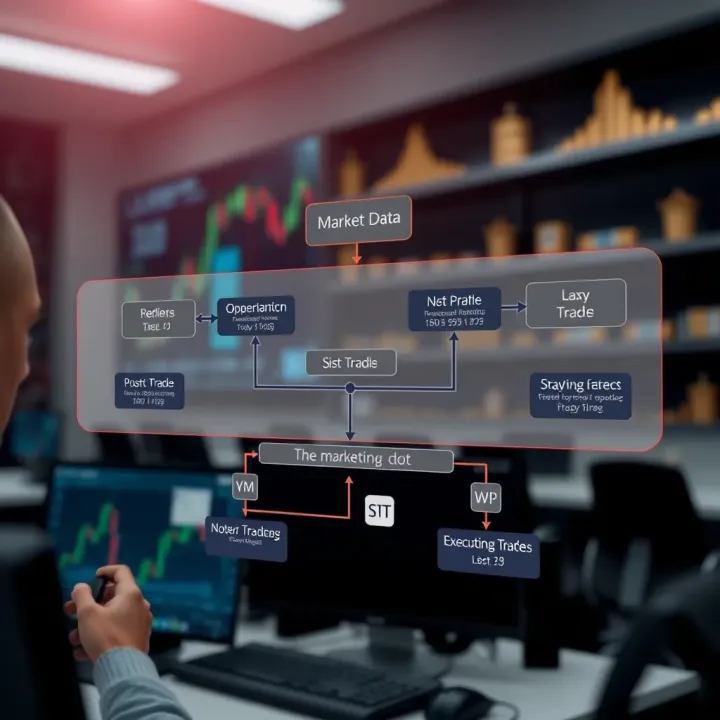
Most free trading bots connect to your brokerage or exchange account via application programming interfaces (APIs). They use market data—prices, volumes, order book depth—to trigger trades following a strategy encoded into their system. Some bots offer simple rule-based approaches like moving average crossovers or breakout detection, while others are more sophisticated, incorporating machine learning or pattern recognition.
In South Africa, platforms like EasyEquities or some cryptocurrency exchanges offer APIs that can interface with these bots. For example, a bot might buy shares in a top JSE company when its 50-day moving average crosses above the 200-day average—a classic technical indicator signalling potential upward momentum.
Cost-effective: No upfront fees make them accessible to casual traders.
Emotion-free trading: Bots avoid panic selling or greed-driven buying, sticking strictly to strategy.
24/7 market coverage: Particularly handy for cryptocurrency traders, as bots can monitor markets overnight or during loadshedding.
Backtesting: Some bots allow you to test strategies against historical data before going live.
Using a trading bot doesn’t guarantee profit. It’s vital to align bot strategies with your financial goals and risk appetite.
Security: Always protect API keys and use bots with transparent, reputable providers.
Understand the strategy: Blindly deploying a bot without grasping its trade logic can backfire.
Risk management: Set limits such as stop-loss orders within the bot where possible.
Monitor performance: Even automated systems require oversight to adjust settings based on market conditions.
For South African traders ready to explore automation, free trading bots provide a practical starting point to blend technology with market acumen—without breaking the bank.
Understanding what free trading bots are and how they function is key for anyone looking to dip their toes into automated trading without upfront costs. These bots can handle trades automatically based on pre-set rules, which helps take the emotion out of trading and saves time. For South African traders juggling loadshedding interruptions or busy schedules, free bots offer a practical way to maintain market activity without constant monitoring.
Basic concept of automated trading
Automated trading means using software programmed to execute trades on your behalf. Instead of manually clicking buy or sell every time, the bot follows a strategy built into its code. For example, it could be set to buy when a share’s price crosses a certain moving average and sell when the opposite happens. This kind of automatic response can lead to quicker decisions, which might be crucial in fast-moving markets.
Automated trading removes some of the stress and error inherent in manual trading. It’s especially useful for day traders or those with restricted time who can’t watch the markets all hours.
Common functions of trading bots
Trading bots commonly perform functions like order execution, market analysis, and portfolio rebalancing. They can scan multiple assets simultaneously—such as the JSE Top 40 stocks, forex pairs, or cryptocurrencies—and react to price changes instantly.
For example, a bot might use technical indicators like RSI (Relative Strength Index) to detect when an asset is overbought or oversold, then execute trades accordingly. Bots can also automate repetitive tasks like setting stop-loss orders or trailing stops, which can help manage risk without constant trader intervention.
Sources of free bots
Free trading bots are often found on open-source platforms or offered by brokers as basic tools to attract users. For instance, platforms like 3Commas or some MT4/MT5 community offerings provide free versions with limited functionalities.
In South Africa, some local brokerages may include simple automation tools within their trading software, which can be a good starting point. However, you should be cautious and check that free bots come from reputable sources to avoid hidden security risks.
Algorithms and strategies used
Most free bots use basic algorithms such as moving average crossovers, momentum trading, or mean reversion strategies. These straightforward strategies follow simple rules — say, buying when the short-term average rises above the long-term average.
While they won’t match the sophistication or customisability of paid bots, such strategies can still be effective in trending markets. But keep in mind that these bots usually lack adaptive learning features found in advanced AI-driven systems.
Integration with trading platforms
Free bots typically integrate with popular trading platforms using APIs (application programming interfaces), enabling them to place trades on your behalf directly.
South African traders commonly use platforms like MetaTrader or broker APIs from the likes of Standard Bank Online Trading or PSG Online. Ensuring your bot supports your broker’s API is crucial, as a bot without proper integration won’t function smoothly and might pose risks like missed trades or unintended orders.
Connecting your trading bot securely to a reliable broker platform is essential — this ensures smooth execution and reduces exposure to technical glitches.
Overall, understanding how free trading bots operate helps you decide if they suit your trading style and risk appetite before integrating them into your portfolio management routine.
Free trading bots attract many traders because they eliminate upfront costs and simplify trade execution. But while the appeal is clear, it pays to weigh the benefits alongside the downsides before diving in. This section breaks down the practical pros and cons so you can gauge whether a free bot suits your trading style and resources.
A major drawcard for free trading bots is, naturally, the absence of a price tag. For traders just starting or those exploring automated trading, free bots offer a low-risk way to get acquainted with the tech without dipping into your trading capital. Rather than paying monthly fees or hefty licences, you can experiment and grow your familiarity with bot controls and performance.
This is particularly helpful in South Africa, where budget constraints often steer traders towards cost-effective options. Keep in mind, though, that free bots may come with limits on functionalities compared to paid versions.
Free trading bots excel at handling repetitive tasks like monitoring price movements and executing trades based on preset rules. This lets you step away from constant screen-watching, freeing up time for other activities or analysis. For example, a bot can place stop-loss and take-profit orders without your intervention, which is a big help during volatile sessions when seconds count.
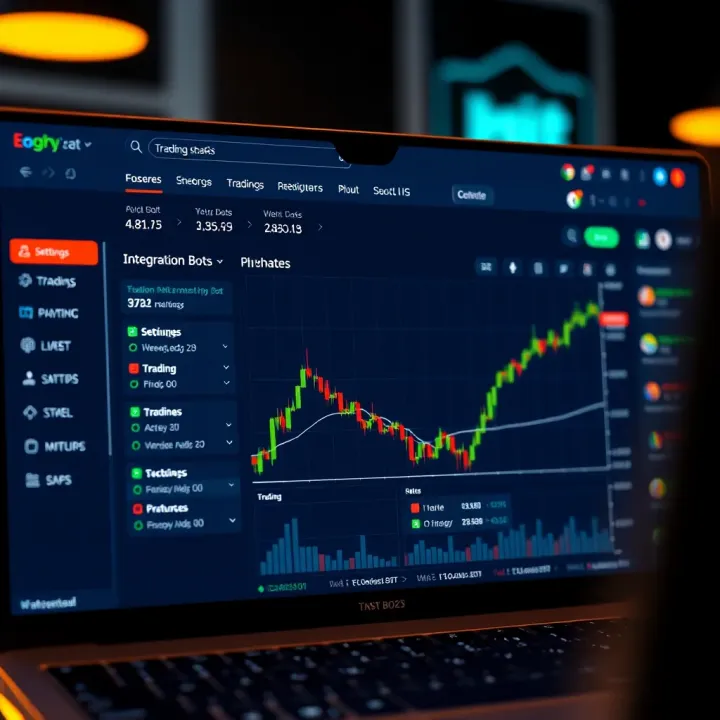
By automating these routine operations, free bots reduce emotional decisions that might cloud judgement. Traders who juggle other commitments can maintain a presence in the market much more easily.
Many free bots allow you to run your trading strategies in demo mode or with limited funding. This means you can assess how your approach performs in real market conditions without risking actual money. If your plan flops, you lose nothing but time, and that’s a worthwhile experiment.
For instance, if you have a strategy revolving around Bitcoin or local equities, a free bot gives you the space to refine entry and exit points. Testing before committing real funds minimises potential losses and builds confidence.
Free bots often come with minimal backing from their creators. You'll likely find scarce customer service or infrequent software updates. This can become a pain if the bot crashes, encounters bugs, or fails to keep up with changes in platform APIs.
In South Africa, where internet reliability varies and platform rules can shift suddenly, lack of support could leave you stranded with a malfunctioning bot.
Security is a serious consideration. Free bots might not have robust safeguards against hacking or data leaks. Since these tools usually require API keys linked to your trading account, any vulnerability could expose your funds or personal information.
Always check if the bot uses encrypted connections and never share your bot’s API keys with unknown parties. Consider using bots that allow strict permission settings limiting withdrawal capabilities.
Free bots often lag paid counterparts in sophistication, speed, and reliability. They may skip advanced features like custom indicators, tight risk management controls, or 24/7 uptime guarantees.
While paid bots charge for their extras, including better support and consistent updates, free bots tend to be more basic and sometimes glitchy. If you rely heavily on automated trading for income or large investments, the risk of technical failure with a free bot could cost you dearly.
Free trading bots offer a practical way to dip your toes into automation but come with trade-offs in support, security, and features. Knowing these pros and cons helps you decide if a free bot matches your risk appetite and trading goals.
Ultimately, balancing cost and capability is key. If you’re careful and start small, free bots can be useful tools to build experience and automate simple strategies.
Choosing the right free trading bot can make a significant difference in how effectively you automate your trades. Not all bots are created equal, and the one that suits your needs depends heavily on factors like the markets you trade in, the assets you prefer, and how much control you want over the trading process. For instance, a bot built to work with volatile forex pairs might not perform well with South African equities or cryptocurrency platforms popular here, like Luno or VALR.
By selecting a trading bot aligned with your goals and technical comfort, you avoid pitfalls like incompatible software or poorly supported strategies. This saves time and, more importantly, protects your funds from unnecessary risk.
When picking a trading bot, you must check which markets and asset classes it supports. Some bots focus exclusively on cryptocurrency markets, while others cater to forex, stocks, or even commodities. For example, a South African trader interested primarily in the JSE or the USD/ZAR forex pair should confirm the bot can connect to relevant brokers and can handle the specific securities or currency pairs.
Compatibility goes beyond asset offerings—bot software needs to integrate smoothly with the platforms you use, like MT4, MetaTrader 5, or web-based brokers common in Mzansi. Trying to run a bot on an unsupported platform risks glitches or outright failure.
A user-friendly interface is essential, especially if you’re not a tech whiz. A cluttered or confusing dashboard can lead to mistakes like wrong trade entries or missed alerts. Bots with clear visualisations, simple navigation, and setup wizards help reduce the learning curve.
Customisation options matter too—whether you can adjust risk levels, trading strategies, or stop-loss parameters determines how well the bot fits your trading style. Consider a bot that allows you to tweak algorithms or set parameters according to your preferences instead of one with rigid, one-size-fits-all rules.
Checking what other traders say about a bot offers practical insights you won’t get from marketing hype. Look for reviews on local forums, social media groups like those on Facebook or Telegram, and specialist trading communities. Real users often share valuable tips, report bugs, or highlight hidden costs.
Keep in mind that exceptionally high or low ratings without balanced feedback can be suspicious. It’s better to spot consistent patterns—like reliability issues or strong customer support.
A bot’s success isn't just about the software now; it’s about ongoing support and updates. Developers who actively respond to queries and regularly update their software tend to provide more secure, stable bots.
Check if the developers maintain clear communication channels, like dedicated forums, email support, or live chat. Especially with free bots, prompt support can be rare but crucial if something goes wrong or an update breaks compatibility.
Selecting a bot isn’t just about features but also about trusting that the product will be maintained and supported long term.
In sum, choosing the right free trading bot requires you to weigh technical compatibility alongside the human element of developer reliability and user experiences. Doing so helps you avoid costly mistakes and sets you up for smarter, safer automated trading.
Using free trading bots comes with its share of risks, so setting them up carefully and monitoring their performance is essential in protecting your investments. These bots operate by connecting to your trading accounts, handling trades automatically, which means a small mistake in setup or oversight can lead to unexpected losses. For South African traders, who might deal with fluctuations in markets like the JSE or currency pairs involving the rand, safety measures are even more important.
API (Application Programming Interface) connections allow trading bots to communicate directly with your broker account to place trades. To avoid exposing your account to risks, ensure these API keys are created with restricted permissions—only for placing trades, not withdrawing funds, for example. Use strong, unique passwords and change your API keys periodically to reduce the risk of unauthorised access.
When setting up API connections, use brokers that provide explicit guidelines and security features for bot integration. Double-check that your connection uses encryption and monitor API activity regularly for any unusual commands.
Locally, brokers like EasyEquities and ThinkMarkets support trading bots via secure API access. EasyEquities, popular for its beginner-friendly platform, allows integration with some third-party bots, making it a good starting point for novices. ThinkMarkets is suited for those interested in CFD trading and forex and offers API connectivity compatible with various automation tools.
While international platforms like Interactive Brokers also cater to South African users, it s vital to pick brokers with solid compliance records under South African financial regulations and transparent fees. This ensures your bot runs smoothly with local support if needed.
Even with a well-designed bot, markets can turn against you swiftly. Setting stop-loss orders helps cap potential losses by automatically selling an asset when it reaches a certain price. Similarly, take-profit limits lock in gains once a predefined profit level is hit. These settings prevent emotional or ill-timed decisions and keep your risk at manageable levels.
For example, if a bot buys shares on the JSE at R100 each, you might set a stop-loss at R90 and take-profit at R110. The bot then trades within these boundaries, protecting your capital without needing constant oversight.
Bots operate 24/7, but that doesn t mean you should set them on autopilot indefinitely. Checking your bot s trades and decision-making periodically ensures it aligns with your strategy and adapts to changing market conditions. This also helps spot technical glitches or erroneous behaviour early.
Take time—weekly or biweekly—to assess performance metrics such as win-loss ratio, average return, and drawdown. If the bot strays from expected behaviour, pause its activity and adjust the settings or switch strategies.
Safe use of free trading bots involves careful setup and ongoing supervision. Despite automation, your involvement remains key to protecting and growing your investments reliably.
By following these steps, South African traders can better navigate the risks of automated trading, turning free bots from potential hazards into helpful assistants in their trading journey.
Automated trading brings a range of efficiencies but also raises important legal and ethical issues. Traders must be aware of South Africa's financial regulations to avoid penalties and ensure trading bots operate within legal boundaries. Ethical conduct, meanwhile, helps maintain fair and transparent markets and protects your trading reputation.
The Financial Sector Conduct Authority (FSCA) oversees financial markets in South Africa, ensuring firms comply with market conduct regulations. Trading bots, especially those linked to financial advice or portfolio management, may fall under FSCA rules. For instance, if a bot automatically executes trades on behalf of other investors or clients, the operator might need appropriate licensing or registration with the FSCA.
Compliance matters also extend to risk disclosure and ensuring bots do not engage in unlawful practices. This means you should use bots developed and maintained by parties who follow FSCA guidelines. Choosing a bot without this assurance risks regulatory action that can lead to fines or trading bans.
Transparency is key in South African financial markets. Traders must disclose the use of automated tools, especially when trading on behalf of others or managing pooled investments. This requirement helps prevent deceptive practices and allows regulators to monitor market activity effectively.
For individual traders using bots, disclosing automation may not be mandatory, but it’s best practice—especially if you manage funds for family or friends. Clear disclosure builds trust and aligns with the spirit of fair dealing encouraged by the FSCA.
Bots must not be programmed to distort market prices or volume intentionally. Practices like spoofing—placing fake orders to mislead other traders—or layering can be illegal and damage market integrity.
Ethical bot users should ensure their algorithms respond to real signals and market data, rather than trying to manipulate prices. For example, if a bot repeatedly places and cancels large orders just to sway the market, it risks regulatory scrutiny and potential sanctions.
Most brokers include specific rules around the use of automated trading tools. Ignoring these can lead to suspended accounts or loss of funds.
South African brokers like Standard Bank Online Trading, EasyEquities, and IG Markets usually require traders to get approval before using bots. They may restrict high-frequency trading or set limits on API calls to maintain system stability. Always read and follow these terms carefully to avoid conflicts.
Following legal regulations and ethical standards is not just about avoiding penalties—it’s about trading responsibly to maintain a fair and trustworthy market environment. Use this knowledge to make smart choices when deploying trading bots.
Explore synthetics trading 📊: key concepts, types, tech, risks & tips tailored for South African investors aiming to navigate modern financial markets confidently.

🤖 Discover how forex trading robots work, their pros and cons, setup tips, and how to manage risks for smarter trading decisions in South Africa's forex market.
📊 Learn how swap charges affect your forex trades in South Africa. Understand types, calculations, and smart strategies to reduce overnight fees effectively!

📈 Explore signal trading for South African traders: learn how to pick reliable signals, balance pros and cons, and boost your market moves effectively.
Based on 6 reviews