
Smart Trading Tips for South African Investors
📈 Discover smart trading tips tailored for South African investors. Learn effective strategies, manage risk, control emotions, and use tech for better decisions.
Edited By
Emily Carter
Forex trading, or the buying and selling of foreign currencies, offers a range of benefits for investors and traders alike. Unlike shares or bonds, the forex market operates as a global, decentralised market where currencies are exchanged directly. This unique setup delivers advantages that can suit various trading styles and investment goals.
One of the standout benefits is liquidity. The forex market handles over $6 trillion daily, making it the most liquid financial market worldwide. This high liquidity means trades can be executed quickly at transparent prices, even for large volumes. For South African traders, this reduces the chance of price manipulation and slippage, which can be common issues in less liquid markets.
Another considerable advantage is the market hours. Forex operates 24 hours a day from Monday to Friday, reflecting global time zones. This flexibility allows traders in South Africa to participate at convenient times, whether early morning before work or late at night after a braai. This continuous access also presents opportunities to react immediately to news from different economies, including the rand’s movements influenced by local events.
Leverage is a double-edged sword but remains a strong appeal. Brokers often offer leverage ratios as high as 1:100 or more, meaning traders can control a large position with a relatively small deposit. While this can magnify profits, it’s vital for traders to manage risks carefully to avoid heavy losses.
Diversification through forex is another practical benefit. Including currency trading in a portfolio offers exposure to global economic trends beyond the JSE or local property markets. For instance, a portfolio with rand, US dollar, euro, and Chinese yuan holdings can balance risks arising from domestic political or economic uncertainties.
The forex market's broad accessibility sets it apart. With a reliable internet connection and a trading account, South Africans can tap into global currency flows without hefty start-up costs or complex paperwork.
In summary, forex trading offers liquidity, round-the-clock market access, and diversification opportunities that appeal to both novices and seasoned traders. For South African investors aware of local economic factors like exchange rate volatility and capital controls, it can be a practical addition to their financial toolkit.
Forex trading stands out for its accessibility and convenience, drawing interest from a wide range of market participants. The ability to trade from virtually anywhere with an internet connection has opened doors for many ordinary South Africans who might not have had exposure to international financial markets before. Whether you're a full-time professional, a university student in Cape Town, or an entrepreneur in Johannesburg, the forex market’s accessibility allows you to fit trading around your schedule.
Unlike the JSE, which operates typical business hours, the forex market is open 24 hours a day during weekdays. Trading starts on Sunday evening SAST with the Sydney session and moves through Tokyo, London, and New York. This round-the-clock availability gives traders flexibility to act whenever it suits them—be it early morning before work or late at night after finishing other commitments. For example, a trader in Durban can respond to market-moving economic data from the US occurring at 3 am SAST without missing a beat.
This flexibility is particularly handy considering how loadshedding can disrupt traditional work routines. Forex trading can be done using laptops or mobile apps, and many platforms have offline features or data-saving modes that help during power interruptions. This means traders can stay connected no matter what stage Eskom signals.
Starting in forex trading does not need a fat wallet. Brokerages registered with the Financial Sector Conduct Authority (FSCA) typically allow accounts to be opened with as little as R500. This low entry point contrasts sharply with other asset classes like property or equities, where initial capital requirements are far higher.
Moreover, forex brokers generally provide demo accounts, where beginners can practise with virtual money. This environment allows new traders to hone strategies without risk before moving onto live trading with real cash. Platforms like IG, Plus500, and EasyEquities (which has recently expanded to offer forex products) offer user-friendly interfaces suitable for novices.
Beyond capital, the ease of accessing educational materials online—from tutorials to webinars—helps knock down the learning curve further. Having a supportive trading community or mentorship programs also means novices in Durban or Pretoria can quickly grasp market fundamentals and risk management.
The combination of flexible hours and low startup costs makes forex trading an unusually accessible form of financial market participation, breaking down barriers that traditionally limited access.
Together these features reshape how South African traders approach investment. They allow people to engage with global currencies dynamically and manage their risk without needing traditional financial gatekeepers. For those balancing work, studies, or family, this blend of accessibility and convenience can make all the difference in getting started on the forex market.
Liquidity refers to how easily assets can be bought or sold without affecting their price significantly. The forex market ranks as the largest financial market worldwide, with a daily turnover exceeding US$6 trillion. This immense market size enhances its liquidity, making it easier for traders to enter and exit positions swiftly. For South African traders, such liquidity means fewer delays and more confidence that their trades will be executed near the desired price.
One of forex trading's main perks is its high liquidity, especially with major currency pairs like the US dollar–rand (USD/ZAR), euro–rand (EUR/ZAR), and US dollar–euro (USD/EUR). This deep market ensures tighter spreads—the gap between buying (bid) and selling (ask) prices. Tight spreads reduce trading costs, which is crucial for active traders looking to protect their profit margins. For example, while less liquid markets might show spreads of 50 pips or more, major forex pairs can have spreads as low as 1-2 pips.
This cost efficiency means you don’t have to worry about giving away too much profit just to cover the buy-sell price difference. Plus, tighter spreads often reflect a healthier, more stable trading environment.
High liquidity also supports price stability and fast trade execution. When markets are liquid, individual trades are less likely to cause sudden, exaggerated price swings. This stability gives traders a more reliable picture of genuine market trends rather than erratic movements.
Execution speed is vital in forex trading, where delays can translate into losses, especially when market conditions change rapidly. In illiquid markets, orders might sit unfilled or execute at worse prices—a problem known as slippage. Thanks to the forex market's size and liquidity, such issues are minimal, giving traders timely access to openings and closings of positions.
For a practical example, consider an active day trader in Johannesburg who relies on executing quick trades based on real-time news. The ability to get trades filled instantly at predictable prices allows chasing profitable setups without worrying about price jumps caused by low liquidity.
Liquidity and market size advantages establish the forex market as a dependable and cost-effective arena. These traits help traders manage risk better while maintaining flexibility, which is a key edge over many other markets.
One of the standout features of forex trading is the chance to make a profit whether currency prices are climbing or dropping. Unlike traditional share trading where profit depends mainly on price gains, forex allows traders to benefit from both upswings and downtrends by choosing the right trading position.
Going long means buying a currency pair because you expect its value to increase against the other currency. For example, if a South African trader believes the US dollar will strengthen against the rand, they would buy USD/ZAR. If the dollar indeed gains value, the trader profits from the difference when selling later.
Conversely, going short involves selling a currency pair first, anticipating its value will fall, allowing you to buy it back cheaper. Suppose the rand shows signs of strengthening; the trader might short USD/ZAR, aiming to repurchase at a lower rate and pocket the difference. This flexibility to take advantage of both rising and falling markets means traders can find opportunities irrespective of economic cycles or global events.
Leverage magnifies both profits and losses by allowing traders to control larger positions with a smaller amount of capital. South African brokers commonly offer leverage ratios ranging from 10:1 up to 30:1 for retail clients, meaning you can trade R10,000 worth with as little as R333.
For instance, with 20:1 leverage, a 1% favourable move in the currency pair can translate into a 20% gain on your invested capital. However, the reverse is true as well; an adverse move can lead to significant losses quickly. That said, the use of leverage demands careful risk management, including stop-loss orders and proper position sizing to avoid eroding capital.
Leveraged trading lets you amplify potential gains, but it also requires discipline to manage the increased risk effectively.
Traders should be mindful that while leverage expands potential for returns, it also heightens exposure to market swings, which in volatile forex markets can be sharp. Therefore, understanding and using leverage wisely distinguishes successful traders from those who might face setbacks.
In summary, the ability to go long or short combined with leverage options gives forex traders a unique edge over many other markets. This dynamic allows South African traders, especially, to capitalise on currency movements influenced by local economic news like SARB interest rate changes or global events like US Federal Reserve decisions, regardless of market direction.
Diversification sits at the heart of smart investing, and forex trading offers unique routes to broaden a portfolio beyond typical asset classes. Including currencies in your investment mix introduces a fresh layer of exposure that can help smooth out returns and reduce risk, especially when local and global economic factors shift unexpectedly.
Currency markets deliver direct access to global economies, allowing investors to tap into shifts in economic trends, interest rates, and geopolitical events worldwide. For instance, a South African investor holding a portfolio weighted heavily in local equities and bonds might add exposure to the US dollar or euro through forex trading. This inclusion can hedge against rand depreciation during periods of domestic economic instability or loadshedding-induced market jitters.
Adding currencies also means you’re not just betting on company or sector success, but on broader macroeconomic movements. Traders can select currency pairs that benefit from rising commodity prices, like the Australian dollar related to metals and minerals, or the Canadian dollar tied to oil prices. This global reach enhances portfolio breadth without needing to buy foreign stocks or complicated offshore instruments.
Forex trading contributes to risk mitigation by often moving independently from other assets, such as shares or property. For example, equity markets may fall while certain currencies strengthen, partly balancing portfolio losses. This inverse or uncorrelated behaviour is a valuable feature to smooth volatility.
Moreover, trading currencies allows quick response to market conditions due to high liquidity and 24-hour access. This flexibility is crucial in South Africa, where economic and political events can cause rapid changes in asset values. By spreading investments across currencies and asset types, you’re less exposed to a single market’s downturn.
A well-diversified portfolio that includes forex positions can better withstand shocks, especially in volatile emerging markets like South Africa.
To put it plainly, forex is not just another investment—it’s a strategic tool to strengthen your portfolio’s resilience. Remember, diversifying with currencies requires understanding market drivers and risks, so it’s wise to stay informed and consider professional advice when incorporating forex trading into your investment strategy.
Technology has completely reshaped how forex traders operate, making the market accessible and manageable in real time. Without the right tools, it’s almost impossible to keep up with the fast pace and complexity of currency trading. Modern platforms and apps not only provide convenience but also offer integrated features that support decision-making and trade execution.
Trading platforms are the nerve centre of forex activity. They allow traders to place orders, monitor positions, and manage risk all from one place. Popular platforms like MetaTrader 4 and 5, as well as proprietary platforms from brokers such as IG Markets or Easy Equities, offer various charting tools and automated trading options. For example, many platforms let users set custom alerts that notify them as soon as a currency pair hits a certain level — handy when you’re juggling other work or away from your desktop.
Mobile apps have brought forex trading onto the go. Apps like ThinkMarkets or Plus500 allow traders in South Africa to keep an eye on the market anywhere, anytime. Given the unpredictability of currency markets and local factors like loadshedding, having mobile access helps traders avoid missing opportunities or reacting late.
Real-time data is the lifeblood of forex trading. Even seconds’ delay can influence profitability since forex markets move rapidly due to global news or economic releases. Platforms typically integrate live feeds from major forex sources, ensuring traders get the freshest price quotes.
Beyond raw data, analysis tools help traders interpret market conditions. Economic calendars show upcoming events that might affect currency values – like South Africa’s SARB interest rate announcements or US non-farm payrolls. News feeds within platforms provide immediate updates from financial news services like Bloomberg or Reuters. Some platforms even offer social trading features, where traders can view and copy strategies from seasoned professionals, adding another layer of insight.
For South African traders, having timely information and user-friendly tech is vital. It helps manage risks linked to local economic swings, currency volatility, and even unexpected events like Eskom loadshedding.
In sum, the right technological tools and resources not only enhance a trader’s ability to act quickly but also deepen their understanding of market dynamics. Investing time in mastering these tools pays off in smarter trading decisions and better risk management.
South African traders face unique circumstances when entering the forex market. Understanding the regulatory environment, currency volatility driven by local economic factors, and tax rules is essential for navigating forex trading responsibly and effectively. These considerations shape how traders plan and manage their investments, minimising risks while staying compliant.
Forex trading in South Africa operates under the watchful eye of the Financial Sector Conduct Authority (FSCA), which oversees licensed brokers and market conduct. Traders should only use brokers authorised and registered with the FSCA to avoid scams or unregulated platforms. For instance, brokers like IG or FXTM hold local licences, offering South Africans safer trading conditions.
Unregulated brokers might promise high returns but can put your funds at risk. Additionally, South African residents must comply with the Financial Intelligence Centre Act (FICA) regulations which require verified identity documents before trading. This not only helps curb money laundering but also adds security to your accounts.
The South African rand (ZAR) is known for its volatility, influenced by local and global factors. Domestic issues such as political uncertainty, credit rating changes by agencies like Moody's or S&P, and Eskom's load-shedding stages heavily impact the rand's value. For example, during load-shedding Stage 4 announcements, the rand tends to weaken as investors worry about economic growth.
International events, including US Federal Reserve interest rate shifts or commodity price swings (especially in gold and platinum), also sway the forex market. Traders need to keep an eye on these developments and may use tools such as economic calendars or market news alerts to stay informed.
Forex trading profits are subject to tax in South Africa under the South African Revenue Service (SARS). Depending on whether trading is viewed as a hobby or a source of income, traders may be taxed differently—either on capital gains or as business income.
It is crucial to keep detailed records of all your trades, including screenshots, transaction statements, and profit/loss calculations. SARS requires you to declare these earnings accurately. Non-compliance can lead to penalties or audits. For example, a day trader making R500,000 a year should expect to be taxed as a trader rather than simply declaring it as a capital gain.
Keeping abreast of local rules around forex regulation, economic factors that influence currency behaviour, and tax obligations ensures you trade with confidence and stay on the right side of the law.
By factoring in these considerations, South African forex traders can make better-informed decisions and avoid unnecessary pitfalls in the dynamic currency market.
📈 Discover smart trading tips tailored for South African investors. Learn effective strategies, manage risk, control emotions, and use tech for better decisions.
Discover how robot trading works in South Africa 📈 Explore key strategies, risks, and tips to choose and use automated trading systems effectively 🤖💰
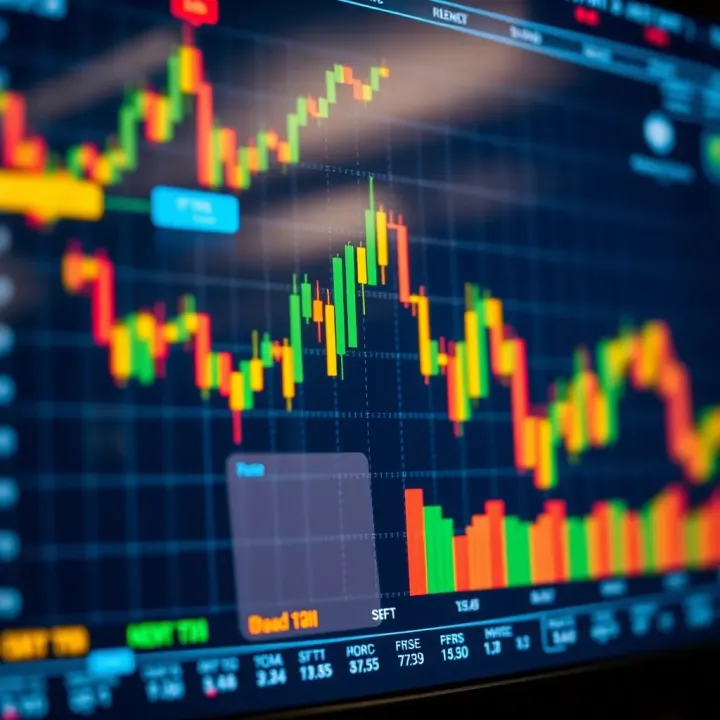
🤖 Discover how robot trading apps help South African investors automate buying and selling with smart algorithms. Learn pros, cons, top platforms, and tips!
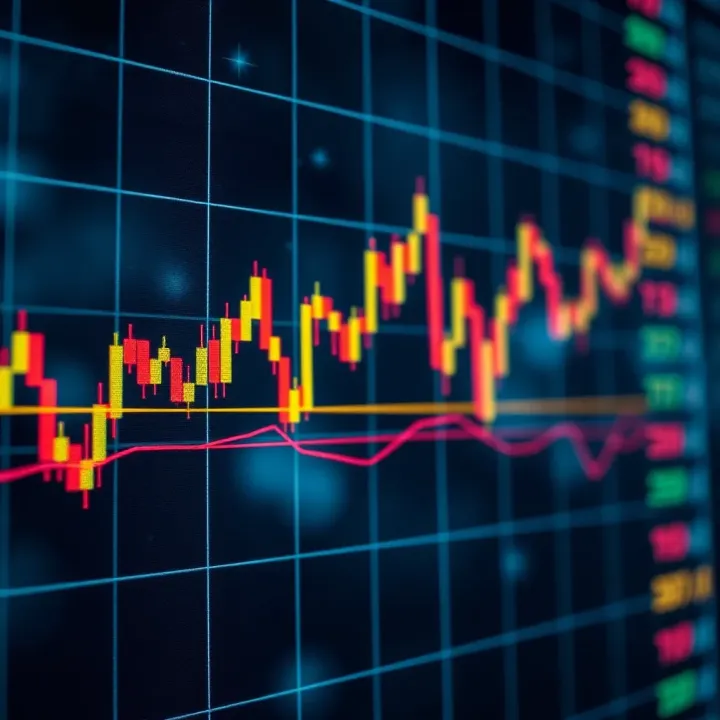
📈 Explore signal trading for South African traders: learn how to pick reliable signals, balance pros and cons, and boost your market moves effectively.
Based on 6 reviews