
Understanding Forex Trading Robots: A Practical Guide
🤖 Discover how forex trading robots work, their pros and cons, setup tips, and how to manage risks for smarter trading decisions in South Africa's forex market.
Edited By
Sophie Turner
The foreign exchange (forex) market never really sleeps, but it doesn’t run at full throttle 24/7 either. Instead, it swings between different trading windows known as forex sessions which correspond to the working hours of major financial centres around the world. Understanding these sessions—and the times when they overlap—can make a world of difference in managing your trades and spotting the best opportunities.
There are four primary forex sessions traders watch closely: the Sydney, Tokyo, London, and New York sessions. Each session carries its own rhythm, volatility, and liquidity influenced by local economic events and market participants. For South African traders, being aware of these sessions helps to plan trading activity around the hours when the market is most active.
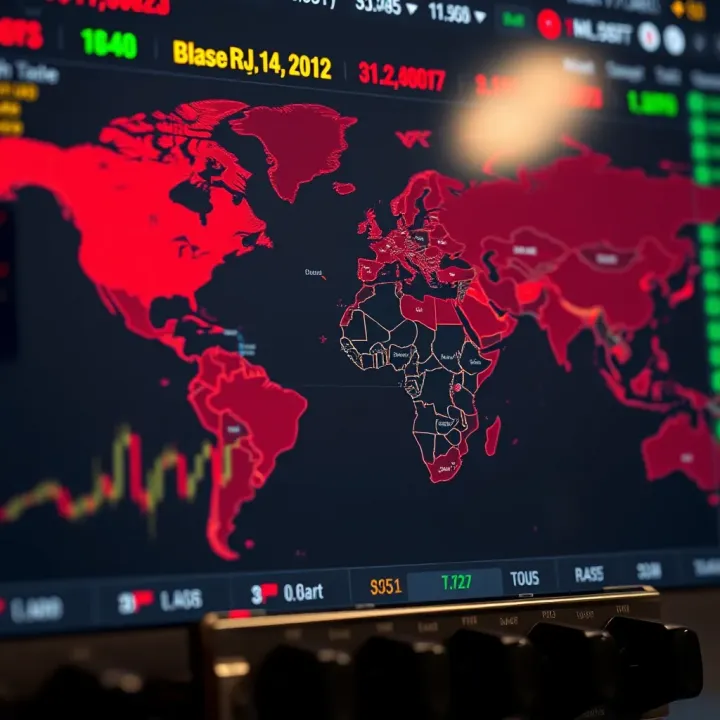
Here’s a quick overview of each:
Sydney Session: Starts the global trading day, opening at 8 pm SAST and closing at 5 am SAST. Liquidity tends to be lower here, but it can set the scene for what follows.
Tokyo Session: Runs from 1 am to 10 am SAST, often bringing steady activity focused on Asian currencies like the JPY and the AUD.
London Session: Opens at 9 am and closes at 6 pm SAST. This is the largest and most liquid session, representing the financial heart of Europe.
New York Session: Rolls out from 2 pm to 11 pm SAST and coincides partly with London, creating notable volatility, especially for USD pairs.
The overlap between the London and New York sessions, from 2 pm to 6 pm SAST, usually produces the sharpest price movements and highest trading volumes, presenting both lucrative opportunities and increased risks.
Getting a handle on these sessions is more than academic. For example, a trader monitoring the EUR/USD pair would expect more action during the London and New York overlap. Meanwhile, trades involving the AUD or JPY might be better timed for the Tokyo session.
By tailoring trading plans to these global rhythms, you can avoid the quiet hours that bring little movement, while positioning yourself to take advantage of spikes in liquidity and volatility. This approach helps manage risk more effectively and increases the chance of executing trades at favourable prices.
In short, knowing when markets are busiest lets you strike when the iron’s hot, rather than chasing moves during dead hours. This understanding is especially useful in the South African context where local trading hours might not coincide with these international peaks. Keeping track of global session times, and their overlaps, gives you a clearer picture to build smarter, more timely forex trades.
Forex trading doesn't stop for a moment — it's a 24-hour market that ticks along from the moment Sydney wakes up to when New York closes. But it’s not one continuous session; instead, the day is carved up into blocks known as forex sessions. These reflect when major financial centres around the world are active. Grasping these sessions is key to timing your trades, gauging liquidity, and understanding volatility.
Trading hours vary by region because each market operates during its local business hours. For instance, the Tokyo session begins early morning South African time at around 1am SAST, while the London session kicks off later in the morning, around 9am SAST, running through to the afternoon. New York’s session overlaps with London for a few hours before extending into early evening locally.
These differences matter because activity, volume, and volatility in the forex market ebb and flow with the opening and closing times of these centres. When the market is open in a region, its currency pairs involving that area’s home currency tend to see the most action. For South African traders, understanding these time slots helps in planning when to be active and when to sit tight.
Dividing the forex market into sessions also helps traders hone their strategies for when liquidity peaks or drops. Each session carries its own trading habits — for example, the Asian session often shows quieter ranges, while the London session can see bigger price moves. Breaking the day into these blocks simplifies decision-making and risk management.
Four centres dominate forex trading: Sydney, Tokyo, London, and New York. Sydney kicks things off in the early hours SAST, setting the tone for a quieter Asian session. Tokyo picks up soon after, leading into the busier European hours centred in London — the largest forex hub globally, known for its hefty daily volumes and diversity of trading strategies.
New York’s session adds further muscle, overlapping with London for roughly four hours. This overlap between London and New York is often the most liquid and volatile period of the day, ripe for traders looking for tighter spreads and greater movement.

Understanding these centres also means knowing their time differences relative to South African Standard Time. While South Africa aligns with GMT+2, Tokyo is GMT+9, Sydney is GMT+10 (or +11 during daylight saving, though South Africa does not observe DST), London is GMT+1 during summer and GMT+0 in winter, and New York is GMT-5 or -4 depending on daylight saving.
South African traders often find the London session the most accessible and relevant due to overlapping business hours, offering ample liquidity without heading to odd hours in the early morning or evening.
By mapping these time zones and sessions, traders can adjust their workday for the best times to trade currencies important to their portfolio. For example, those dealing with JPY pairs might find the Asian session more active and better suited to their moves, while EUR/USD traders may focus on the European and North American hours.
Planning your trading schedule around these sessions sharpens your approach, helping to avoid the dead zones with low activity and highlighting when to expect larger swings or steadier trends.
Understanding the characteristics of the main forex sessions is vital for traders aiming to time their market entries and exits better. Each session offers distinct patterns in terms of volume, volatility, and popular currency pairs. This knowledge helps you strategise effectively, especially when trading across different time zones like South Africa’s.
The Asian session, primarily centred around Tokyo and Sydney, tends to show lower trading volumes compared to European and North American sessions but remains significant. Commonly traded pairs during these hours include the Japanese yen (JPY), Australian dollar (AUD), and New Zealand dollar (NZD). Given their regional economic ties, these pairs typically reflect developments in Asia-Pacific markets.
For a South African trader, the Asian session occurs mostly during the late night and early morning hours (SAST), which may limit active trading but offers opportunities for overnight positions or monitoring news from Asia that could influence subsequent sessions. The session is generally marked by slower price movements and narrower spreads, which can suit traders looking to avoid volatility.
London stands as the largest forex centre globally due to its geographical position bridging Asia and America and its extensive financial infrastructure. It handles about 30-35% of daily forex turnover, making the European session the busiest. The volume and liquidity surge as London opens often leads to sharper price movements and tighter spreads.
Many traders deploy strategies like breakout trading during the European session, taking advantage of the increased volatility and volume. This session is also when important economic news from the UK and the Eurozone often releases, prompting swift market reactions. For South Africans, this session aligns well with their daytime hours, offering prime opportunities to trade actively.
The New York session commands significant influence due to the size of the US economy and the dollar’s role as the world’s primary reserve currency. The US session's opening often triggers renewed market momentum, especially in USD currency pairs.
An important feature is the overlap between the European and North American sessions during the South African afternoon. This overlap marks the period with the highest liquidity and volatility, often producing the tightest spreads and best opportunities for making profits. Traders need to be cautious here, managing risk carefully due to unpredictable price swings but can also capitalise on the enhanced price movement if timed well.
Peak forex activity tends to happen during session overlaps, especially between London and New York, offering South African traders their best chance at liquid and responsive markets.
Overlapping forex sessions represent some of the most dynamic times in the 24-hour market cycle. When two major trading centres are open simultaneously, liquidity spikes and spreads tend to tighten, creating better conditions for traders. For South African traders, understanding these overlaps can help pinpoint windows where market moves are more pronounced and trading opportunities arise with greater frequency.
Periods of high liquidity occur when market participants from different regions are active at the same time. The most notable overlap happens when the London and New York sessions coincide—roughly between 3 pm and 6 pm South African Standard Time (SAST). During these hours, the volume of orders surges, leading to tighter spreads, which means the cost of entering and exiting trades reduces. This benefits traders, especially those who rely on technical strategies that perform best with lower transaction costs.
Another key overlap is between the Tokyo and London sessions, which happens between 10 am and noon SAST. While liquidity here isn’t as high as the London-New York overlap, it still offers worthwhile volatility, especially in currency pairs like USD/JPY and EUR/JPY. Traders focusing on Asian-European crosses should watch this window closely.
Examples of profitable trading windows include the first hour of the London-New York overlap when economic news from both regions can trigger significant price moves. For example, a surprise interest rate announcement from the US Federal Reserve at 3:00 pm SAST can cause sharp volatility that lasts well into the overlap period. Capturing these moves requires readiness and a clear strategy.
Overlaps bring increased volatility, meaning price swings can be swift and sometimes unpredictable. While this spells opportunity, it also raises the risk of stop-losses being hit or unexpected slippage. Preparing for this means setting realistic risk limits and avoiding overleveraging during these times.
To manage risk effectively, traders should use tools like stop-loss orders and volatility alerts. Some platforms offer session indicators that highlight when overlaps occur, assisting traders in adjusting position sizing. Besides, monitoring economic calendars is vital during overlap periods since scheduled news releases often coincide with these active hours.
Remember, while overlapping sessions generate more trading chances, they also demand discipline and risk awareness. It’s a delicate balance that, when mastered, can really enhance trading outcomes.
In short, being mindful of session overlaps helps South African traders time their activity to match market liquidity and volatility patterns, improving both risk management and potential rewards.
Understanding how to adapt forex trading to South Africa’s time zone and market conditions can make a real difference in results. This section offers actionable advice tailored to traders here, focusing on timing trades, selecting currency pairs, and using technology to stay ahead. Knowing the practical side of trading sessions helps South African traders align with global markets efficiently and manage risks better.
Forex markets operate based on major financial centres worldwide, so South African traders need to convert these sessions to South African Standard Time (SAST). For instance, the London session runs from 8 am to 5 pm GMT, which corresponds to 10 am to 7 pm SAST during winter and shifts slightly when daylight saving comes into effect elsewhere. This means South Africans can trade the European session comfortably during their workday.
The best times to trade from South Africa usually coincide with the European and North American overlap, roughly 3 pm to 7 pm SAST. During this window, liquidity rises, spreads tighten, and price movements become more predictable. Trading during these hours often yields better entry and exit opportunities, especially for common pairs like EUR/USD or GBP/USD.
Different sessions favour particular currency pairs. Asian hours see more activity in pairs like USD/JPY and AUD/USD, which might be quieter during South African daytime due to timing. The European session ramps up focus on EUR, GBP, and CHF pairs. As a South African trader, it’s wise to focus on pairs most active during your available trading hours to avoid thin liquidity and wider spreads.
Spreads and volatility differ, so local traders should keep an eye on cost and risk. For example, USD/ZAR might have wider spreads outside South African business hours due to lower liquidity. Conversely, trading majors like EUR/USD during peak times usually offers tighter spreads and less slippage, making for smoother trades.
Modern trading platforms often include session indicators that highlight active market times. Using these tools helps South African traders quickly see when markets open and close globally without needing to calculate time differences manually. It’s a practical way to plan trades and avoid jumping into less active periods.
Accessing local economic calendars and news adds muscle to trading decisions. Brokers often provide tailored calendars featuring South African economic data releases alongside global events. For example, monitoring South African Reserve Bank (SARB) announcements or employment figures can guide trades in ZAR pairs. Staying updated with local and international news improves timing and risk awareness.
Tailoring your trading schedule, currency choices, and tools to South African realities can improve your trading efficiency and manage risk better. Knowing when to trade and what to trade is half the battle won.
🤖 Discover how forex trading robots work, their pros and cons, setup tips, and how to manage risks for smarter trading decisions in South Africa's forex market.
📊 Learn how swap charges affect your forex trades in South Africa. Understand types, calculations, and smart strategies to reduce overnight fees effectively!

🤖 Explore how forex robots trade currency markets, their pros and cons, key tips for South African traders, plus insights on regulations and myths.

Explore synthetics trading 📊: key concepts, types, tech, risks & tips tailored for South African investors aiming to navigate modern financial markets confidently.
Based on 7 reviews