
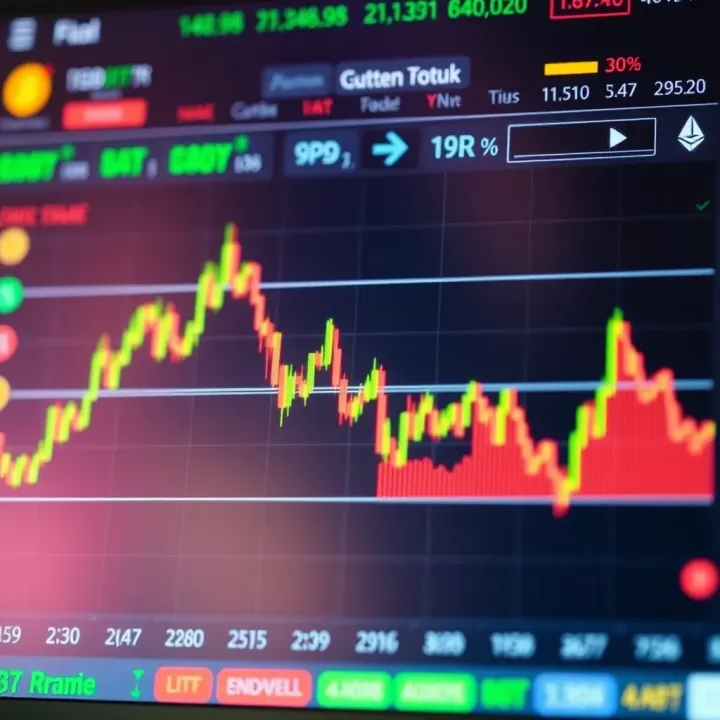
How to Trade Cryptocurrency in South Africa
📈 Learn how to trade cryptocurrency safely in South Africa. Get tips on platforms, strategies, tax rules, managing volatility and data costs for smart trading.
Edited By
Amelia Clark
Trading cryptocurrency in South Africa is a growing interest for many, especially as digital currencies gain wider acceptance. But the market is complex and volatile, so getting started without sound knowledge can lead to unnecessary losses.
This guide aims to break down the key steps involved in trading cryptocurrency, focusing on practical advice tailored to South African conditions. We'll explore must-know preparations, choosing a reliable trading platform, understanding how the crypto market moves, and essential risk management strategies.

Whether you’re a financial analyst looking for local market insights, an investor aiming to diversify your portfolio, or someone thinking about trading more actively, the information here will help you make more informed decisions.
South Africans face unique challenges like exchange rate fluctuations, data costs, and the impact of Eskom’s loadshedding on connectivity — all factors influencing crypto trading.
Underpinning your crypto journey should be clear knowledge about how to:
Set up and secure your crypto wallet
Select trading platforms that comply with South African regulations
Monitor market trends influenced by global and local events
Manage risk through position sizing and stop-loss orders
By understanding these fundamental points, you can reduce common pitfalls and trade with greater confidence. From understanding Bitcoin and Ethereum to exploring altcoins, let’s cut through the noise and get to the practical matter of trading cryptocurrency in Mzansi today.
Grasping the fundamentals of cryptocurrency and its market is the first step for anyone serious about trading digital assets here in South Africa. This knowledge shapes your decisions, helps you spot opportunities, and avoid common pitfalls. For instance, understanding why Bitcoin trends often influence the entire market can guide you whether to jump in or hold back.
Definition and major coins: Cryptocurrency is a form of digital money secured by cryptography, making it almost impossible to counterfeit. Unlike cash or the rand, which are issued by central banks, cryptocurrencies rely on decentralised networks to verify transactions. Bitcoin, the most famous of all, paved the way, but others like Ethereum, Binance Coin, and Ripple have carved their own niches, each serving different uses from financial contracts to faster payments.
Knowing the differences between these coins matters. For example, Ethereum's platform supports "smart contracts," agreements that automatically execute without intermediaries. This feature attracts businesses and developers wanting to build decentralised apps (dApps). Picking which coins to trade or hold depends on such practical uses and the community backing them.
Blockchain basics: At the heart of every cryptocurrency is blockchain technology — a digital ledger that records every transaction across a vast network of computers. This system ensures transparency and security without relying on banks or government oversight.
For everyday traders, blockchain means transactions can be tracked and verified publicly, reducing fraud risk. Plus, this technology enables peer-to-peer transfers, allowing South Africans to send funds across borders without hefty fees. However, the complexity of blockchain also explains why delays or high transaction costs occur during network congestion, something traders must keep in mind.
Spot trading vs derivatives: Spot trading involves buying or selling an actual cryptocurrency at the current market price for immediate settlement. Suppose you buy 0.1 Bitcoin on a South African exchange — you own the coin directly and can store it or use it as you wish. This method suits those looking to hold or use crypto rather than just speculate.
Derivatives, however, are contracts based on the price of a cryptocurrency without owning the asset itself. Examples include futures and options. Traders use derivatives to bet on price movements, hedge positions, or gain exposure with less capital. While derivatives offer higher potential rewards, they carry added risks like leverage and expiry dates.
Understanding which suits your risk tolerance and goals is key. Spot trading tends to be more straightforward, while derivatives require careful strategy and risk management.
Market hours and volatility: Cryptocurrency markets operate 24/7, unlike the JSE or forex markets. This constant action means prices can shift dramatically at any hour, influenced by global news or sudden events. South Africans should be aware that this volatility can quickly turn profits into losses and vice versa.
Volatility also presents both challenge and opportunity. For example, during load shedding, traders rely on backup power and stable internet to avoid missing critical market moves. Knowing when the market is busiest—often overlapping with peak trading hours in Asia, Europe, and the US—can help you plan trades with better liquidity and narrower spreads.
Remember: Crypto markets don’t sleep, so discipline, planning, and staying informed become your best allies.
To sum up, understanding what cryptocurrencies are, how blockchain works, and the nature of trading options and market behaviour sets a sturdy foundation. That way, you’re not just guessing but making calculated moves based on knowledge and context relevant to South Africa’s unique environment.

Starting to trade cryptocurrency in South Africa requires several practical steps that can’t be overlooked. Getting your setup right from the beginning ensures safer, smoother trading and helps you comply with local laws. This section covers how to pick the right exchange, register your account properly, and fund it with South African Rand (R).
South Africans have access to a growing number of cryptocurrency exchanges, both local and international. Popular local options include Luno and VALR, known for easy rand deposits and good security. These platforms cater to South Africans specifically, supporting Rand deposits via EFTs and credit cards, and often with faster verification processes. On the other hand, international exchanges like Binance or Coinbase offer a wider range of cryptocurrencies and advanced trading options, but depositing Rand can be less straightforward and sometimes incurs extra fees.
When choosing between local or international exchanges, it’s worth comparing fees, security features, and how well they comply with South African regulations. Local exchanges tend to charge lower fees for Rand deposits and withdrawals. Security-wise, look for platforms with strong two-factor authentication and cold storage of coins. Regulatory compliance is especially important: exchanges registered with the Financial Sector Conduct Authority (FSCA) or following the Financial Intelligence Centre Act (FICA) framework provide an extra layer of protection for traders.
To start trading, you’ll need to open an account, which involves submitting personal details and identification documents. Most exchanges require a South African ID or passport for verification. This step isn’t just bureaucracy—it helps prevent fraud and money laundering. Completing your verification promptly means you avoid deposit or withdrawal limits and are less likely to encounter account freezes.
South Africa’s FICA (Financial Intelligence Centre Act) and RICA (Regulation of Interception of Communications and Provision of Communication-Related Information Act) laws play a major role here. These rules mandate exchanges to verify users’ identities to fight financial crime and protect the market. South African traders should expect stringent checks, including proofs of address, as part of the registration process. While it might be a bit of a hassle, these regulations help keep the crypto space safer for everyone.
Once your account is set up, depositing Rand is the next step. Most local exchanges accept deposits via Electronic Funds Transfer (EFT), which is typically free or attracts minimal charges from your bank. Unlike international transfers, EFTs are quick and reliable within South Africa, so you can start trading without long delays.
Besides EFT, some platforms accept credit or debit card payments for faster deposits, though these may come with higher fees. An alternative is funding your account using cryptocurrencies if you already hold some. This route skips the Rand deposit process but involves converting crypto to trading coins, usually with some fees. Each method has pros and cons—EFT is generally the cheapest and most straightforward, but credit cards offer convenience, while crypto deposits provide flexibility if you’re already invested in digital assets.
Setting up correctly from the outset avoids headaches later on and positions you to trade confidently and compliantly within South Africa’s evolving cryptocurrency ecosystem.
Understanding basic trading strategies is vital for anyone stepping into the crypto market, especially in South Africa where market conditions can be quite volatile. These strategies help you manage risk and improve your chances of earning consistent returns.
The buy and hold strategy revolves around purchasing cryptocurrencies with the intention of holding onto them for a long period, typically years. This is rooted in the belief that despite short-term market fluctuations, the overall trajectory will be upward. For South African investors facing frequent local economic shifts or loadshedding disruptions, this approach offers a simpler, less stressful way to participate in the crypto space without having to time the market.
Commonly, investors pick coins with strong fundamentals for this approach. Bitcoin (BTC) and Ethereum (ETH) are prime examples as they have significant adoption and established networks. These coins are generally more resilient, making them suitable for holding rather than frequent trading. This strategy also reduces transaction fees and tax complexities compared to active trading.
Active trading requires more hands-on engagement and is based on short- to medium-term market movements. Day trading involves buying and selling coins within the same day to capitalise on volatility. For instance, a trader might take advantage of price swings in coins like Ripple (XRP) during market hours when liquidity is high. This strategy demands close market monitoring and quick decision-making.
Swing trading, however, holds assets for a few days to weeks to capture expected upward or downward 'swings' in price. This allows traders more time to react to trends and news but still requires analysis and patience.
Technical analysis is the backbone of active trading. It uses historical price data and chart patterns to predict future movements. Traders use indicators like moving averages or Relative Strength Index (RSI) to decide when to buy or sell. While not foolproof, technical analysis provides a systematic way to navigate the often unpredictable crypto markets.
Employing a strategy aligned with your risk tolerance and time availability can significantly improve your trading experience and outcomes.
Balancing your approach between buy and hold and active trading depends on your goals, knowledge, and how much market noise you can handle. Combining both can sometimes be the best move for South African traders facing unique local challenges.
Trading cryptocurrency involves inherent risks and requires solid security practices to protect your capital. In South Africa, where volatility can be amplified by global shifts and local factors like regulatory changes or economic uncertainty, managing these risks is vital to avoid costly mistakes.
Cryptocurrency prices often swing dramatically within short periods. This volatility is partly due to the market's relatively low liquidity compared to traditional assets. When liquidity is thin, large trades can cause sharp price movements, making it tricky to buy or sell without affecting the market price significantly.
For example, a small investor in South Africa might see the price of Bitcoin drop by several percentage points within an hour simply because a large holder decided to sell. Understanding this helps traders set realistic expectations and prepare for sudden changes.
One way to manage these risks is by setting stop-loss and take-profit points. Stop-loss orders automatically sell your holdings once the price falls to a specified level, protecting you from deeper losses. Meanwhile, take-profit orders lock in gains by selling once the price reaches your target.
By using these tools, you prevent emotion from driving decisions in volatile markets. For instance, if Bitcoin shoots up quickly, a take-profit point ensures you don’t miss out on locking in profit before a downturn.
Choosing the right wallet to store your cryptocurrency is crucial. Hot wallets are connected to the internet and easier to access for quick trades but are more vulnerable to hacking. Cold wallets store assets offline, such as hardware wallets or paper wallets, which significantly reduce hacking risk.
Many South African traders use hardware wallets like Ledger or Trezor to secure larger holdings, while keeping smaller amounts in exchange wallets for active trading. This balance helps protect your main investment.
A strong password alone isn’t enough. Enabling two-factor authentication (2FA) adds an extra layer of defence, requiring a second verification step like a code from an authenticator app or SMS. Even if someone steals your password, 2FA blocks access to your account.
Finally, scams and phishing attacks are rampant in crypto trading. Fraudsters often mimic legitimate services in emails or messages to trick you into revealing passwords or sending funds to fake wallets. Always double-check URLs, never share sensitive information, and consider bookmarking official exchange websites.
Stay vigilant — a simple lapse can cost your entire investment.
By recognising the risks and adopting these straightforward security measures, you stand a better chance of navigating cryptocurrency trading safely in South Africa's challenging environment.
Cryptocurrency trading in South Africa comes with its own set of practical challenges and considerations. Whether it’s dealing with SARS tax requirements, navigating loadshedding, or staying ahead with up-to-date market knowledge, understanding these local realities is key to successful trading. These tips help you set a solid foundation so you don't get caught off guard by factors unique to our environment.
South African Revenue Service (SARS) treats cryptocurrency as an asset, meaning any profits or losses from trading are subject to tax. Traders need to declare gains under capital gains tax (CGT) or income tax if trading occurs frequently. SARS expects clear records showing how much you bought coins for, the selling price, and dates of transactions. If you’re mining or earning crypto as income, that’s taxable under normal income tax rules.
Keeping detailed transaction records is more than just good practice—it’s a SARS requirement. With crypto prices bouncing around, even a few trades can get complicated fast. Use spreadsheets or tax software to track the date, amount (in Rand), coin type, and wallet addresses. This info helps when calculating taxable events each tax year or if SARS audits your returns. Ignoring this could lead to penalties or backdated tax bills.
Loadshedding is a daily reality for many South Africans and can seriously disrupt trading, especially if markets move fast. To avoid missing important price swings, plan your trades around your area's scheduled power cuts. For example, if your suburb faces Stage 4 load shedding from 5 pm, try wrapping up trades before then or set alerts to notify you during power breaks.
Reliable internet is just as critical as power. Consider options like investing in a backup router with a mobile data SIM or joining a community fibre network if available in your area. Some traders use portable power banks and offline wallets to shield themselves from sudden outages and ensure funds remain secure until you’re back online.
Cryptocurrency markets move quickly, influenced by global events, technology changes, and local developments. Staying tuned to credible news sources and market updates keeps you sharp. Follow South African platforms and crypto communities that focus on local regulations and market trends—for instance, websites like MyBroadband or local Telegram trading groups.
Also, make it a habit to continually expand your knowledge through tutorials, webinars, or even short courses. Many South African universities and private providers now offer modules on blockchain and crypto trading. Consistent learning helps you spot opportunities and avoid common pitfalls as the market evolves.
Staying informed isn’t a one-time thing—it’s part of your trading toolkit, especially in a market as dynamic and localised as ours.
By addressing these practical areas, South African traders can better manage risks and navigate the quirks of trading crypto at home and abroad. Understanding your local landscape means you can trade smarter and with more confidence.
📈 Learn how to trade cryptocurrency safely in South Africa. Get tips on platforms, strategies, tax rules, managing volatility and data costs for smart trading.
📈 Learn how to trade forex in South Africa with confidence. Understand local regulations, pick trusted brokers, manage risks, and use practical tools tailored for SAs traders.

📈 Discover how to trade the Step Index in South Africa with practical tips on platforms, strategies, risk, costs & regs for confident volatility trading.
📈 Learn effective ways to trade the Volatility 75 Index with smart risk management and insights tailored for South African traders on local platforms and conditions.
Based on 13 reviews