

How to Trade the Step Index in South Africa
📈 Discover how to trade the Step Index in South Africa with practical tips on platforms, strategies, risk, costs & regs for confident volatility trading.
Edited By
Emily Clarke
Cryptocurrency trading has grown steadily in South Africa, drawing in traders, investors, and financial analysts alike. The appeal lies in its potential for high returns and the dynamic nature of the market. However, trading crypto isn’t a simple roll of the dice—it demands a solid grasp of how markets move, the platforms to use, and how local factors influence your decisions.
At its core, cryptocurrency trading involves buying and selling digital currencies like Bitcoin, Ethereum, or Ripple to profit from price fluctuations. Unlike traditional stock markets, crypto runs 24/7, which means opportunities — and risks — can arise at any time. For South Africans, understanding unique challenges such as data costs, exchange regulations, and market volatility is key to successful trading.
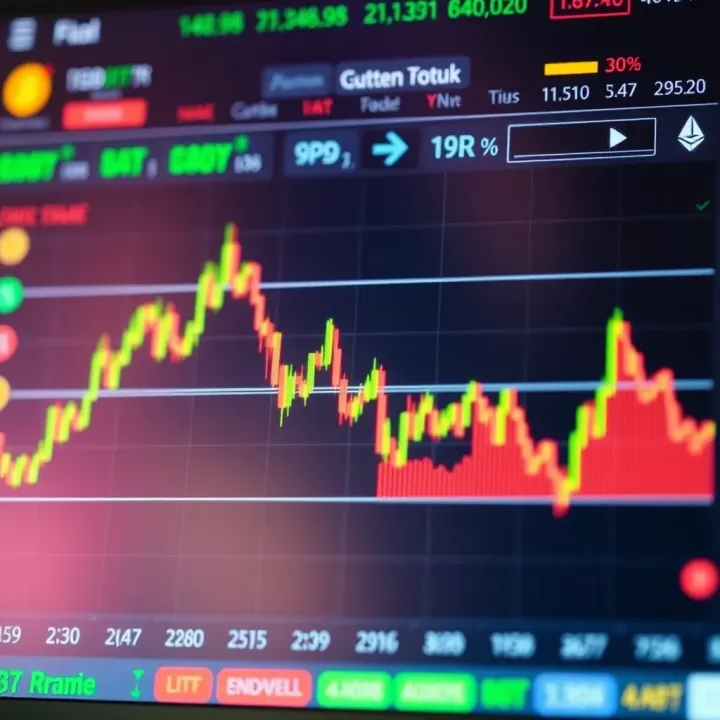
South Africa’s volatile electricity supply and internet stability can affect your access to exchange platforms, so it’s wise to have a backup plan, such as mobile data bundles or solar-powered setups if you trade regularly. Also, since trading often involves converting rand to crypto and back, staying aware of exchange rates and fees is crucial to avoid eating into your profits.
Successful cryptocurrency trading blends knowledge of market trends, platform reliability, and local circumstances — all of which this guide will break down in practical terms.
This guide aims to provide clear insights on:
Selecting the right cryptocurrency exchange suited to South African users
Understanding different trading strategies and when to apply them
Managing risk effectively, including setting stop-loss orders
Navigating local tax rules and reporting requirements
Tackling challenges like network data costs and security
By the time you finish reading, you’ll have the practical tools and considerations needed to trade cryptocurrency with confidence and discipline in the South African context. Whether you’re analysing JSE performance alongside crypto trends or balancing your portfolio for the festive season, knowing the terrain is half the battle won.
Understanding the basics of cryptocurrency trading is key before putting any money into this volatile market. It lets you spot patterns, manage risks, and make smarter decisions. In South Africa, where regulations and market access differ from other places, knowing the ins and outs of trading protects your investment and keeps you compliant.
Cryptocurrency trading involves buying and selling digital coins or tokens through an online platform to profit from price changes. Unlike holding Bitcoin or Ethereum as a long-term investment, trading means taking advantage of short-term swings to generate returns.
This activity requires constant attention to market trends, price charts, and news affecting currencies. For example, a South African trader might buy Bitcoin when the Rand weakens, anticipating a price rise locally, then sell when it peaks.
Trading differs from investing primarily in timescale and strategy. Investing implies buying crypto assets with a long-term horizon, expecting them to gain value over years. Trading is more active and focuses on profit from market fluctuations within days, hours, or even minutes.
Recognising this difference helps you set realistic goals. If you prefer less risk and less monitoring, investing might suit you better. But if you’re ready to dedicate time analysing the markets and making quick calls, trading offers more avenues to profit.
Bitcoin and Ethereum are the main players for traders in South Africa and globally. Bitcoin remains the market leader and store of value, often compared to digital gold. Its wide adoption makes it a relatively stable trading option compared to most altcoins.
Ethereum, on the other hand, is known for its smart contracts and decentralised applications, making its price sensitive to technological developments. Traders watch Ethereum closely around network upgrades or DeFi (decentralised finance) trends.
Besides these, other coins like Ripple (XRP), Litecoin (LTC), and Cardano (ADA) have gained traction. They offer different use cases or faster transaction speeds, which can create unique trading opportunities.
Keep in mind, altcoins tend to be more volatile. While that can mean bigger gains, it also brings higher risk. Always research a coin’s background and active community before trading.
In summary, understanding what trading involves, and knowing the main cryptocurrencies to watch, lays a solid foundation. It helps South African traders navigate a fast-moving market with confidence, backed by practical awareness of how these assets behave locally and internationally.

Picking the right trading platform is a critical step for South Africans venturing into cryptocurrency. Your choice influences everything from transaction fees to ease of use and security measures, plus how well the platform aligns with local regulations and financial systems. Given the fluctuating rand and loadshedding challenges, selecting a reliable, accessible platform can help you avoid unnecessary hiccups and delays.
Local platforms like Luno and VALR offer several perks tailored to South African users. For example, both support direct rand deposits and withdrawals through major local banks such as FNB, Standard Bank, and Absa. This means faster transaction times and usually lower fees compared to international exchanges that often rely on more complex international payment methods. Another big plus is that local platforms tend to comply closely with South African laws, simplifying tax reporting and regulatory compliance. VALR, for instance, provides clear tax reporting tools that can help with SARS declarations.
On the other hand, international exchanges like Binance or Kraken come with a wider variety of cryptocurrency options and advanced trading tools ideal for more experienced traders. However, traders need to be cautious because these platforms often charge higher withdrawal fees and longer processing times for rand conversions. Additionally, not all international exchanges comply fully with South African Financial Intelligence Centre Act (FICA) rules, which might complicate your account verification or delay deposits. So, it's worth weighing the broader coin selection against these potential challenges.
South African law requires cryptocurrency traders to verify their identity, mainly linked to the Regulation of Interception of Communications and Provision of Communication-Related Information Act (RICA). Platforms must confirm your details to prevent money laundering or illicit activities. This usually involves submitting a certified copy of your ID and proof of address. Local exchanges are generally more familiar with handling these RICA-related requirements efficiently.
Alongside RICA, you will need to satisfy FICA (Financial Intelligence Centre Act) regulations. This includes providing documentation such as a valid identity document or passport, proof of residence (utility bills or bank statements not older than three months), and sometimes a source of funds declaration. Completing these steps accurately helps avoid delays or account restrictions. Remember that incomplete or mismatched info could result in a frozen account, which is the last thing you want when markets are moving fast.
Choosing a platform that understands and implements South African verification standards can save traders a lot of stress and downtime.
In summary, consider both local and international platforms but prioritise options that make funding, withdrawals, and compliance straightforward. Ensure your documentation is ready for RICA and FICA checks—this helps you stay on the right side of the law while giving you access to smooth trading experiences.
Understanding basic trading strategies is key for anyone entering the crypto space in South Africa. These strategies help you navigate the market’s ups and downs without falling into common traps. They also offer practical ways to approach trading, whether you’re buying Bitcoin on Luno or experimenting with altcoins on VALR. Knowing when and how to apply each technique can make your trading more disciplined and less stressful.
How spot trading works: Spot trading is the simplest way to buy and sell cryptocurrencies. When you buy Bitcoin or Ethereum on a trading platform, you’re engaging in spot trading. You exchange your Rands immediately for the cryptocurrency and own it outright. The transaction is settled instantly at the current market price, so there’s no waiting period or contracts involved.
When to use spot trading: Spot trading suits those who want to hold actual crypto assets rather than just speculate on price movements. For example, if you believe Bitcoin’s price will steadily increase over months and want to keep it for future use or investment, spot trading is your easiest option. It also works well for beginners since the process is straightforward and doesn’t require complex tools or techniques.
Differences between swing and day trading: Swing trading involves holding crypto assets over several days or weeks to profit from expected price changes. It suits traders who can check markets regularly but don’t want to monitor every hour. Day trading, on the other hand, focuses on quick moves within a single day—buying and selling multiple times to catch short-term price fluctuations. This approach requires constant attention and faster decisions.
Tools and indicators commonly used: Both strategies rely on technical analysis but with different emphases. Swing traders often use moving averages and support/resistance levels to identify entry and exit points. Day traders may watch indicators like the Relative Strength Index (RSI) or volume trends closely, sometimes with real-time trading alerts. South African platforms like VALR or Binance offer charting tools that help traders spot these signals easily.
Hot wallets vs cold wallets: Hot wallets are connected to the internet, making them handy for frequent trades but vulnerable to hacks. Examples include mobile apps on your smartphone or web-based wallets on exchanges. Cold wallets, such as hardware devices or paper wallets, keep your crypto offline, offering stronger security but slower access. South Africans concerned about loadshedding might especially benefit from cold wallets to protect their crypto during power cuts.
Securing your private keys: Your private key is like the master key to your crypto assets—it must be stored securely. Avoid saving it on cloud drives or phones unprotected by strong passwords. Instead, use encrypted USB sticks or write keys down and keep them locked away safely. Losing your private key means losing access to your funds, so investing time in proper security pays off in peace of mind.
Taking a measured approach to trading strategies and wallet security can help you avoid common mistakes. That way, your crypto journey in South Africa won’t just be about chasing gains but also safeguarding what you’ve worked hard to earn.
Cryptocurrency trading can offer exciting opportunities, but it also comes with significant risks. Managing these risks is not just a good idea—it’s necessary to protect your investments and keep your trading experience sustainable. South African traders, in particular, face unique challenges like volatile markets, scams, and security threats that demand proactive approaches.
Managing price swings is a day-to-day concern in crypto trading. Cryptocurrencies often experience steep rises and sudden drops in value over short periods. For example, Bitcoin’s price in South Africa can shift markedly overnight, influenced by global news or local market moves. To handle this, setting stop-loss orders can help limit losses if the market moves against you. Also, diversifying your crypto portfolio instead of putting all your Rand into one coin reduces exposure to sharp dips.
Without clear risk controls, price swings can wipe out gains quickly. Thus, it’s vital to monitor market trends and stick to pre-planned exit points rather than chasing price fluctuations.
Avoiding emotional decisions goes hand in hand with volatility risk. Panic-selling during a sudden drop or FOMO (fear of missing out) buying during a pump can lead to poor outcomes. South African traders frequently share stories of selling low after loadshedding-created market jolts or buying high due to hype on social media. To avoid this, keep trading plans disciplined and based on analysis, not emotion. For instance, using technical indicators like Relative Strength Index (RSI) or Moving Averages helps make rational entry and exit decisions.
Emotional detachment also means not obsessing over every market tick; sometimes stepping away to reassess can prevent costly mistakes.
South African traders must be aware of common scams targeting local crypto enthusiasts. Ponzi schemes, fake investment platforms, and phishing attacks have ensnared many here. For example, bogus WhatsApp groups promising huge returns often lure people into fraudulent wallets or ask for upfront deposits. Another trick involves scam emails that mimic legit exchanges like Luno or VALR, asking users to disclose private keys.
Recognising these scams early can save you from losing your hard-earned money. Always verify platforms through trusted local crypto communities or official sources.
Best security practices include using two-factor authentication (2FA) on your exchange accounts, never sharing your private keys, and regularly updating passwords. For traders serious about safety, consider hardware wallets like Ledger or Trezor for cold storage of cryptocurrencies offline. Additionally, avoid using public Wi-Fi networks when accessing trading platforms to reduce hacking risks.
Securing your crypto assets isn't just about preventing losses, but also building confidence to trade smarter and longer-term.
By managing volatility thoughtfully and guarding against scams, South African traders can navigate the crypto space with more control and fewer nasty surprises.
Cryptocurrency trading in South Africa falls under clear tax guidelines set by the South African Revenue Service (SARS). Although crypto assets are unregulated in terms of financial product laws, SARS treats any income derived from crypto as taxable. Understanding these rules helps traders avoid penalties and plan their investments better. From capital gains to regular trading profits, the tax treatment depends largely on how you engage with cryptocurrencies.
Tax on capital gains applies when you sell or dispose of crypto assets after holding them for some time. For example, if you bought Bitcoin last year and sold it this year at a higher price, the profit counts as a capital gain. This gain then forms part of your taxable income and is subject to Capital Gains Tax (CGT) under South African law. Note that the first R40,000 of net capital gains is exempt for individuals annually, which can ease the tax burden somewhat.
Trading income as taxable revenue concerns those who trade cryptocurrencies frequently or as a business. SARS treats such profits as regular income, subject to income tax at your marginal rate. This means day traders or those running crypto trading businesses need to declare their earnings differently from casual investors. For instance, if you buy and sell cryptocurrencies daily, SARS expects you to report the net earnings as income rather than a capital gain. This distinction can lead to higher taxable amounts depending on your tax bracket.
Keeping accurate transaction logs is vital for smooth tax reporting. SARS requires traders to keep detailed records of all trades, including dates, amounts, prices at purchase and sale, and any fees paid. Without good records, it becomes difficult to prove your taxable gains or losses. An example would be using spreadsheets or software tools to track variable crypto exchanges and wallet transactions. These logs provide a clear paper trail and help during SARS audits or assessments.
Filing details in annual tax returns involves declaring crypto income under the right sections. Capital gains should be reported on the ITR12 form under the capital gains section, while trading profits go under normal income. Failure to disclose these earnings can lead to penalties or interest charges. It’s wise to consult a tax professional familiar with SARS crypto guidelines to ensure compliance and maximise legitimate deductions.
Keeping proper records and understanding whether your crypto dealings are capital gains or income can save you significant trouble with SARS. Stay organised and report accurately to avoid costly mistakes.
Being clear about tax obligations allows South African traders to focus on the market itself without risking unforeseen liabilities. Knowing how SARS treats your earnings puts you in control of your crypto journey, not the other way around.
📈 Discover how to trade the Step Index in South Africa with practical tips on platforms, strategies, risk, costs & regs for confident volatility trading.
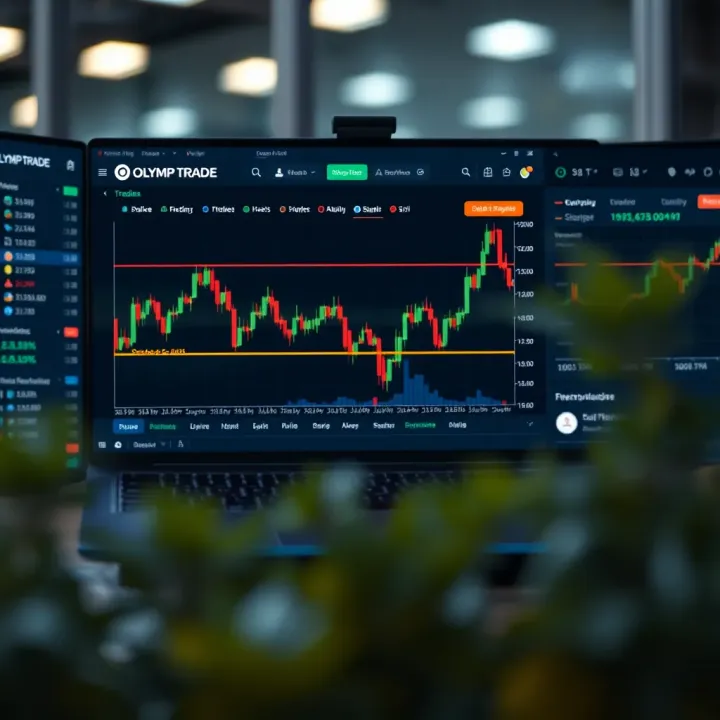
Explore Olymp Trade's key features, account types, and payment options ✅ Find out its pros, cons, safety, and customer support 💬 tailored for South African traders.

🔍 Explore how peer-to-peer (P2P) trading reshapes asset exchanges in South Africa, highlighting local practices, risks, benefits, and safety tips.
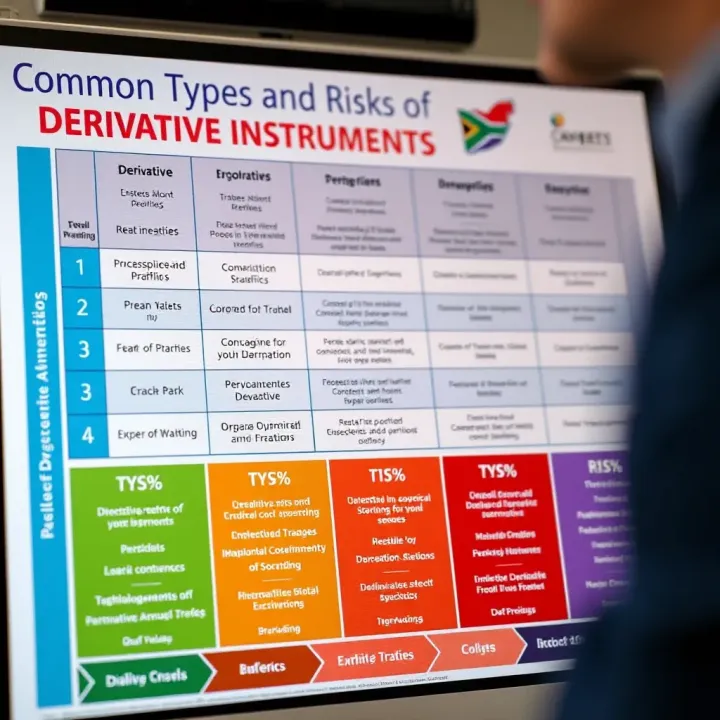
Explore derivative trading basics, types & risks 📉💹, benefits for local investors, and South Africa's rules to guide your strategy confidently.
Based on 9 reviews