
How USD Converts to South African Rand
💸 Learn how USD converts to ZAR, factors driving rates, tips for money exchange, and how currency shifts affect SA consumers and businesses. Stay smart! 🇿🇦
Edited By
Thomas Wright
Understanding how much five US dollars (USD) is worth in South African Rand (ZAR) may seem straightforward, yet it involves several moving parts that influence this conversion. With South Africa's fluctuating exchange rate, the value of $5 can vary day to day, affecting purchasing power for travellers, businesses, and investors alike.
Exchange rates reflect global economic conditions, local factors such as inflation and interest rates, and currency market sentiment. For instance, if political uncertainty hits South Africa, the rand might weaken against the dollar, making $5 convert to more rands. Conversely, strong economic data or a rally in commodity prices often supports the rand’s value.
The rand's volatility means that knowing the exact value of $5 in rands requires checking current rates regularly rather than relying on fixed figures.
For traders and financial analysts, this small amount illustrates broader patterns. Exchange rates can affect import costs, export competitiveness, and inflation trends. For example, when the rand weakens, imported goods become pricier, which could push up local prices, impacting consumers and businesses.
Practical examples help clarify the effect:
If today $1 equals R18, your $5 would buy R90.
Should the rand weaken to R20 per dollar, the same $5 increases to R100 economically, though buying power may reduce if inflation follows.
Understanding this helps in daily decisions like budgeting for travel, estimating costs of imported equipment, or hedging currency risk in business.
To make the most of currency conversion:
Monitor exchange rate trends through reliable financial news and platforms.
Use authorised bureaus or banks for currency exchange to avoid unfavourable rates plus hidden fees.
Consider digital options like online money transfers that often provide better rates and lower charges.
In short, $5 in rands is more than a number; it's a snapshot of economic health and market sentiment affecting financial choices every day in South Africa.
Knowing the current exchange rate between the US dollar (USD) and the South African Rand (ZAR) is essential for anyone working with these currencies. Whether you’re an investor tracking currency fluctuations, a trader looking to capitalize on rate changes, or a financial analyst evaluating market conditions, the USD/ZAR rate shapes your decision-making. For example, if the rate is R19 per $1, then $5 equals R95 — but if it moves to R17, those same five dollars convert to R85. This shift impacts import costs, export pricing, and even how much travellers get when they exchange cash.
Exchange rates between currencies like the USD and ZAR are affected primarily by supply and demand in the foreign exchange (forex) market. Central banks such as the South African Reserve Bank (SARB) and the US Federal Reserve influence rates through their monetary policies—adjusting interest rates to control inflation or stimulate growth. If SARB raises interest rates, the rand could strengthen as investors seek better returns, pushing the USD/ZAR rate down.
Besides monetary policy, factors such as trade balances, foreign investment flows, political stability, and economic data releases also play a role. For instance, if South Africa reports stronger-than-expected GDP growth, the rand may gain value against the dollar. On the flip side, political unrest or poor economic reports could weaken the rand.
Over the past year, the USD/ZAR exchange rate has swung between roughly R17 and R20. Several aspects drove this volatility. Eskom’s ongoing load shedding increased economic uncertainty, denting investor confidence in South Africa. Meanwhile, rising US interest rates pushed the dollar higher globally, causing the rand to dip.
Commodity prices, especially gold and platinum which South Africa exports, have also influenced the rand. When these prices rise, the rand typically strengthens, reflecting improved trade income. However, global events like trade tensions or geopolitical crises can upset these patterns.
For traders and investors, keeping up with these trends and understanding the factors behind them is key to making informed currency decisions.
In sum, the current USD to ZAR exchange rate is a snapshot shaped by a mix of monetary decisions, domestic economic health, and global influences. Tracking these elements closely helps anticipate changes and manage the financial risks or opportunities they present.
Understanding what moves the value of five US dollars in South African Rand is key for traders, investors, and economists alike. Exchange rates don't just change randomly; a mix of local economic factors and global events shape them. By breaking down these influences, you get a clearer picture of when the Rand might strengthen or weaken against the dollar — which makes decisions about currency trading or investment more informed.
The rates determined by the South African Reserve Bank (SARB) play a direct role in the Rand's strength. When SARB raises the repo rate, borrowing costs rise, enticing foreign investors seeking higher returns. These inflows can support the Rand's value. Conversely, rate cuts often lead to Rand weakening as investors look elsewhere for better yields. For example, during periods of global uncertainty, SARB might maintain higher rates to attract capital, helping soften Rand volatility.
Inflation is a measure of how quickly prices rise, and it impacts the Rand's purchasing power. When inflation spikes beyond SARB's target range (usually around 3-6%), the Rand often loses value because rising local prices erode investor confidence. Businesses might also face squeezed margins due to costlier inputs, which can weaken economic growth. On the flip side, stable, moderate inflation tends to reassure markets, helping keep the Rand relatively steady against the dollar.
South Africa’s trade balance — the difference between exports and imports — affects the Rand as well. A trade deficit, where imports outstrip exports, means more Rands are sold to buy foreign currency, putting downward pressure on the Rand. Strong export performance, especially in key sectors like mining or agriculture, can support currency strength as foreign buyers convert dollars to Rand. Foreign direct investment (FDI) inflows also influence demand for the Rand, especially when multinational companies expand operations with fresh capital.
The United States Federal Reserve’s decisions on interest rates ripple through emerging markets like South Africa. When the Fed hikes rates, the US dollar tends to strengthen, making the Rand weaker in comparison. This can trigger capital flight as investors pull money from riskier assets, including the Rand, to lock in better returns in the US. For instance, in times of Fed tightening, South African borrowers in dollars might find their debt servicing costs climbing due to a weaker Rand.
South Africa’s economy leans heavily on commodity exports such as gold, platinum, and coal. When global commodity prices rise, export revenues increase, bolstering the Rand. However, a slump in these prices reduces foreign earnings, which can weaken the currency. For example, a sharp drop in platinum prices often leads to a corresponding dip in the Rand’s value as mining revenues dry up.
Politics matter when it comes to currency. Local uncertainties — such as policy changes, governance issues, or labour unrest — can scare off investors, causing Rand depreciation. Internationally, trade tensions or geopolitical shifts affect global risk appetite, influencing currency flows. A case in point: fears around Eskom’s power supply disruptions in South Africa can hit investor confidence, while calm periods often coincide with Rand strength.
Currency movements reflect an intricate dance between domestic economic health and global events, so keeping an eye on these factors helps navigate the choppy waters of exchange rates effectively.
By appreciating these economic and global influences, you’ll better understand why $5 can be worth quite different amounts in Rands from one day to the next. And that insight is vital whether you're hedging risk, making investment calls, or just planning for travel expenses.
Understanding how $5 converts to South African Rand helps traders and financial professionals gauge its real-world impact. This sum may look modest in dollar terms but can carry different weight when spent locally, especially in everyday expenses and travel. Exploring practical examples sharpens insights into the ruand's purchasing power and associated costs.
Buying groceries or snacks: R5 dollars currently exchange to roughly R90 to R100, depending on the rate. In South Africa, this amount could cover a basic weekday grocery run, such as a loaf of bread, a litre of milk, and some vegetables at a local Pick n Pay or Shoprite. Alternatively, it might buy a few popular snacks — like a packet of NikNaks, a bottle of Rooibos iced tea, and a single-serve yoghurt from a Spar. This helps contextualise how currency value translates to real household basics.
Transport costs: The local minibus taxi fare within a city like Johannesburg or Durban usually ranges from R10 to R15 per trip. Converted $5 covers about six to eight short taxi rides, a handy metric when considering commuting costs for workers or tourists. For Gautrain trips, a one-way ticket from Midrand to Sandton costs around R50, so $5 roughly covers two such rides, showing its moderate utility in rapid transit.
Small personal purchases: Many everyday items fall into the sub-R100 range, making $5 a practical budget for small buys. Think prepaid airtime vouchers (Vodacom or MTN) around R50, or allocating funds towards a cheap meal at a local café. Even a couple of boutique craft beers at a lapa or a takeaway cup of coffee from a neighbourhood coffee shop can stretch comfortably. For investors analysing consumer purchasing power, these examples anchor currency values in relatable spending.
How $5 in Rands translates to spending while travelling: Tourists visiting South Africa often find that what seems like a small amount in dollars can cover a range of local expenses. Converted Rands equivalent to $5 can pay for a street vendor's snack in Cape Town, two tickets to the Robben Island ferry (usually above R600 but partial payment matters), or contribute towards entrance fees at smaller game reserves. Knowing this helps travel advisors and operators price services and promotions better.
Currency conversion fees to expect: Although $5 might seem a small sum, currency conversion fees can erode its value. Banks and bureaux de change often charge a commission or offer rates marginally poorer than the mid-market rate. Some online platforms add fixed transaction fees regardless of amount. For those exchanging in airports, expect higher charges. A typical conversion fee can be between 2% and 5%, which means out of $5, you might lose about R2 to R4 worth at the point of conversion. These costs are significant when working with small currency amounts and should be factored into budgeting or valuation models.
When dealing with smaller sums like $5, paying attention to conversion rates and fees is critical to understanding the true local value after exchange.
In summary, $5 converts into a modest but meaningful amount in Rands that can cover multiple small expenses within South Africa. Both locals and visitors can find useful touchpoints in daily spending and travel contexts, especially when mindful of conversion costs.
Obtaining the best value when exchanging US dollars to South African Rand involves more than just knowing the current exchange rate. The place and method you choose to exchange currency can significantly affect the amount of Rand you receive. For investors, traders, or anyone transferring funds, it's worth understanding where to turn and how to handle the process efficiently.
Banks and authorised dealers are typically the safest and most reliable options for currency exchange. Major South African banks like FNB, Standard Bank, Absa, and Nedbank provide competitive rates, especially for larger amounts. Their services often include strict compliance with regulations such as the Financial Intelligence Centre Act (FICA), requiring identification documents like a valid ID or passport. While banks may charge slightly higher fees compared to other outlets, their transparency and security give traders and investors peace of mind when handling significant sums.
Airport bureaus offer convenience for travellers needing immediate currency upon arrival or departure. However, these desks usually provide less favourable exchange rates and higher commission fees compared to banks or authorised dealers in urban centres. Unless you need cash instantly, it's generally better to exchange currency before your trip or at your destination city’s financial centres. That said, airports in Johannesburg or Cape Town still serve an important role for those caught out without Rand on hand.
Online currency exchange platforms have gained traction in recent years, appealing particularly to those comfortable with digital transactions. Services like local online currency platforms offer real-time rates and the ability to complete transactions from the comfort of your home or office. Many platforms also deliver Rand directly to your bank account or arrange cash collection, which saves time and sometimes offers better rates due to lower overhead costs. Be cautious, though; verify the legitimacy of online dealers to avoid scams, particularly with unfamiliar operators.
Comparing rates before exchanging is key to making the most out of your US dollars. Even within the same city, rates can vary noticeably from one provider to another due to fluctuating market conditions and commission policies. For example, Absa might offer R18.50 per dollar, while a smaller forex bureau quotes R18.35. While the difference seems small, it adds up when exchanging larger sums. Checking rates on trusted financial websites or calling around can save you hundreds if you plan ahead.
Avoiding high commission fees can make a big difference too. Some currency exchange outlets advertise a good rate but hit you with hidden charges or unfavourable spreads. Always ask upfront about commission costs or determine if you’re dealing on a "no commission" basis. Banks usually present all fees clearly, while smaller bureaus may not be as transparent. For instance, a 1.5% commission on R10,000 equates to R150 lost – worth shopping around.
Timing your exchange for rate benefits requires some attention to market movements. The Rand is known for its volatility, sensitive to political news, commodity price shifts, and monetary policies both locally and abroad. If you follow financial news or check exchange rates daily, you can wait for more favourable windows to make your move. For example, Rand strength after an improved South African GDP report can increase your buying power. While it's tricky to predict exact movements, watching recent trends and being flexible can improve outcomes.
Knowing where and when to exchange dollars into Rand can increase your returns or reduce unexpected costs. Taking time to compare options, avoid unnecessary fees, and time the market wisely are practical steps that yield benefits, whether you're a trader, investor, or simply looking to make your Rands go further.
Currency fluctuations directly affect both South African businesses and consumers, shaping costs, pricing, and profitability. When the Rand weakens or strengthens against the US Dollar, companies engaged in international trade need to adapt quickly to maintain margins and competitiveness. At the same time, consumers feel the impact through changes in product prices and overall inflation, which influence household budgets across the country.
Cost of imported goods: Importers paying for goods or services priced in US Dollars face immediate cost changes when the Rand fluctuates. For example, if the Rand weakens from R15 to R18 against the Dollar, an importer who paid R75 for a $5 component will suddenly need R90 for the same purchase. This rise forces businesses to either absorb the higher cost or pass it onto customers, often leading to increased retail prices. Industries like electronics, automotive parts, and pharmaceutical imports are particularly sensitive to these shifts as their supply chains rely heavily on foreign currency purchases.
Export competitiveness: Conversely, exporters benefit when the Rand weakens, as their products become cheaper and more attractive to overseas buyers. A local furniture manufacturer selling goods priced in Rands can gain a price edge in foreign markets when the Rand loses value, boosting demand and potentially increasing sales volumes. However, exporters face challenges too if imported raw materials become more expensive due to a weak Rand, raising production costs and complicating profitability. Managing this balance is essential for South African manufacturers and agricultural exporters competing abroad.
Price changes for imported products: Imported consumer goods, such as electronics, fashion items, and certain food products, experience price shifts tied closely to currency moves. When the Rand weakens, retailers often hike prices to keep up with increased import costs, impacting affordability. For instance, a smartphone that cost R6,000 may rise to R7,200 after Rand depreciation, squeezing consumers’ disposable income. This effect becomes visible in supermarkets and retail stores, shaping buying decisions and pushing some consumers towards local alternatives where possible.
Effect on inflation and household budgets: Currency volatility also spills over into broader inflation trends, particularly because South Africa imports essential commodities like crude oil and vehicle parts. A weaker Rand generally lifts fuel prices, which then ripple through the economy via higher transport and production costs. Households quickly feel the pinch as fuel costs rise and the price of everyday goods climbs. Budgeting becomes more challenging for many South Africans, forcing adjustments in spending on necessities. Inflation targeting by the South African Reserve Bank tries to keep these pressures in check, but currency swings remain a key factor influencing retail price levels.
Understanding currency fluctuations is vital for businesses and consumers alike, as it helps in anticipating price changes and managing financial planning effectively. Staying informed on exchange rate trends aids in making smarter decisions whether you’re importing goods, exporting products, or simply budgeting at home.
💸 Learn how USD converts to ZAR, factors driving rates, tips for money exchange, and how currency shifts affect SA consumers and businesses. Stay smart! 🇿🇦
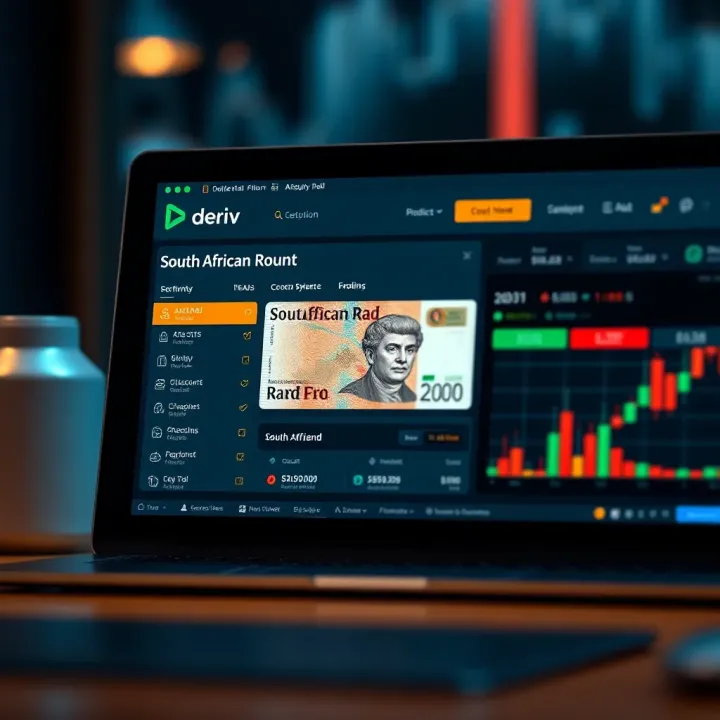
Trade on Deriv with the South African Rand (ZAR) and discover easy setups, local payment options, and how your ZAR account benefits your trading experience 🇿🇦📈💳
Learn about IFX minimum deposit requirements for ZAR accounts 💰, how they compare locally, and get practical tips to start trading confidently in South Africa.

📈 Understand CFDs for South African traders: trade asset price moves without owning them, assess benefits, risks, and smart strategies for your investing goals.
Based on 9 reviews