
QXBroker Overview for South African Traders
Explore QXBroker's platform, regulation, account types, and trading tools designed for South African traders. Make informed decisions with trusted insights 📊🌍
Edited By
Edward Grey
The US Dollar (USD) to South African Rand (ZAR) exchange rate is more than just a number on a screen. It reflects economic ties, trade flow, and investor sentiment between the United States and South Africa. Understanding how this conversion works is crucial, especially for traders, investors, and financial analysts tracking currency movements closely.
At its core, the exchange rate tells you how much one US Dollar is worth in South African Rands. For example, if the rate is R18 to the USD, exchanging $100 yields R1,800. But this rate fluctuates constantly, influenced by diverse factors that affect both currencies.
Several elements move the USD/ZAR rate daily:
Economic Indicators: South Africa’s GDP growth, inflation levels, and unemployment figures influence the Rand’s strength. For instance, weak GDP numbers often push the Rand lower versus the Dollar.
Interest Rate Differentials: The South African Reserve Bank’s repo rate compared to US Federal Reserve rates can attract or deter capital flows, impacting demand for each currency.
Commodity Prices: South Africa exports commodities like gold and platinum. Rising gold prices typically support the Rand because of increased export revenue.
Political and Policy Stability: Any uncertainty in South African governance or policy can spook investors and weaken the Rand.
Global Risk Appetite: The Rand is considered a more volatile emerging-market currency. If global investors seek safe havens, the USD usually gains ground at the Rand’s expense.
Daily fluctuations can be swift, meaning timing your conversions or hedging strategies matters for minimising costs.
Imagine a South African importer paying $10,000 for equipment. When the rate drops from R18 to R17.50, this means paying R175,000 instead of R180,000 — a difference of R5,000. Over time, small shifts like this affect profitability and budgeting.
Watch South African economic releases, US Federal Reserve announcements, and commodity market trends.
Use financial platforms that offer real-time USD/ZAR quotes — delays can cost you.
Employ forward contracts or options to lock in favourable rates if large transactions are expected.
Understanding how the US Dollar converts to the South African Rand helps you make sharper financial decisions, whether trading currencies or managing cross-border investments and operations.
Understanding how exchange rates work between the US Dollar (USD) and South African Rand (ZAR) is essential for anyone dealing with cross-border trade, investing, or even travelling. The exchange rate affects how much Rand you get when you convert Dollars and influences the cost of imports and exports. For context, when the USD/ZAR rate moves from R18 to R19, it means you get more Rand for each Dollar; however, imported goods priced in Dollars become more expensive locally. Being clear on how these rates are set and fluctuate helps you make smarter financial decisions.
An exchange rate is simply the price of one country's currency in terms of another’s. So, the USD/ZAR exchange rate tells you how many South African Rand one US Dollar can buy. For example, if the rate is R15, then one Dollar is worth fifteen Rand. It’s a straightforward concept but holds real-world significance for importers, exporters, travellers, and investors alike.
The USD/ZAR rate is determined by supply and demand in the foreign exchange (Forex) market, influenced by economic data, market sentiment, and geopolitical events. For instance, if the US Federal Reserve hikes interest rates, Dollars could strengthen against the Rand, pushing the exchange rate higher. Conversely, if South African economic indicators improve, the Rand might strengthen, causing the rate to drop.
It's also important to distinguish between the spot rate and the forward rate. The spot rate is the current price for immediate exchange, used when you buy Dollars or Rands for cash or instant transfer. The forward rate lets traders and businesses lock in a rate today for a currency exchange that happens at a future date, protecting against unforeseen fluctuations — handy for importers budgeting their costs months ahead.
The South African Reserve Bank (SARB) publishes daily reference rates for USD/ZAR which serve as an official benchmark. While SARB rates are not exchange rates you'd necessarily get at the bank counter, they’re crucial indicators for economists and investors looking at the long-term trend.
On the ground, commercial banks and bureaux de change offer rates influenced by SARB's benchmarks but include spreads and fees. For example, buying Dollars at a bank might cost you R18.20 per Dollar when SARB’s reference is R18.00 due to costs and profit margins. Airports or popular city bureaux could have wider spreads, so shoppers and travellers should shop around for the best deal.
Modern technology has simplified rate checking. Online currency converters and financial news platforms update rates minute-by-minute, reflecting market moves instantly. Tools such as the MyBroadband Forex section or financial news apps allow traders and consumers to track USD/ZAR changes and time their currency exchanges more wisely.
Knowing where to check rates and how they differ helps you avoid poor deals and make informed decisions on converting US Dollars to Rand.
Understanding the elements that shape the USD/ZAR exchange rate is key for anyone trading, investing, or analysing the market. The rate isn't static; it fluctuates based on a mix of domestic and global factors. Knowing these can help you anticipate trends, manage currency risk, and make smarter decisions.
Interest rates and inflation measure the cost of borrowing and the rise in prices locally, both of which influence investor confidence. Higher interest rates in South Africa tend to attract foreign capital, as investors seek better returns, which supports the rand. Conversely, if inflation spikes without corresponding rate hikes, the rand often weakens because purchasing power erodes and economic uncertainty grows.
For example, when the South African Reserve Bank (SARB) raised the repurchase rate in 2023, it briefly strengthened the rand as fixed-income investments became more attractive. However, stubborn inflation continued to pressure the currency later on.
South Africa’s trade balance reflects the difference between export earnings and import spending. A positive balance, where exports exceed imports, suggests demand for the rand, thus supporting its value against the dollar. In contrast, a trade deficit usually means more rands leave the country to pay for imports, weakening the currency.
Commodity exports like gold, platinum, and agricultural products make up a significant portion of South Africa’s trade. For instance, when platinum prices dipped in 2022, export revenue dropped, contributing to a weaker rand since foreign buyers bought fewer rands to pay local exporters.
Economic growth and political stability affect how investors view South Africa’s risk profile. Solid GDP growth coupled with stable governance attracts foreign investment and bolsters the rand. But political uncertainties, like leadership changes or policy shifts, can unsettle markets and trigger rand depreciation.
Take the tense periods around elections, for example: investors often take a cautious stance, leading to rand volatility. Businesses monitoring these factors can better time their forex moves or hedge exposure in advance.
US economic performance is a strong driver for the USD/ZAR pair. When the US economy grows and Federal Reserve adjusts interest rates upwards, the dollar typically strengthens. This can crowd out emerging market currencies like the rand as capital flows back to safer US assets.
For example, the Fed’s rate hikes in late 2022 pulled capital from markets like South Africa, putting downward pressure on the rand. Traders watch American employment reports and inflation data closely as early indicators.
Commodity prices (gold, platinum) are globally significant and crucial to South Africa’s export income. Since the rand is often described as a "commodity currency," shifts in these prices directly affect its strength. Rising gold prices usually boost the rand because they signal higher export revenues, and vice versa.
In mid-2023, gold prices surged during global uncertainty, supporting the rand despite other headwinds.
International investor sentiment plays a subtle but significant role. When global markets are risk-averse, investors tend to flee to safe-haven assets like the US dollar. This can weaken emerging market currencies, including the rand.
During global shocks, such as geopolitical tensions or financial crises, rand volatility increases as foreign investors adjust portfolios rapidly. Staying alert to these moods helps traders protect positions or take advantage of shifts.
Grasping these factors gives you an edge in understanding why the USD to ZAR rate moves the way it does. It's a mix of local economic health, political scene, and global forces — all linked in a complex dance.
In practice, keeping an eye on SARB announcements, trade reports, commodity markets, US Federal Reserve actions, and global news provides a solid basis for forex strategies involving USD/ZAR.
When converting US Dollars (USD) to South African Rands (ZAR), practical considerations are more than just about rates—they affect how much you ultimately gain or lose in a transaction. Whether you're a business owner dealing in imports, or an investor moving funds across borders, knowing where and how to exchange currency can spell the difference between a good deal and unnecessary loss.
Banks and authorised dealers offer one of the most secure methods to exchange currency. These institutions are regulated by the South African Reserve Bank (SARB) and typically provide transparent rates in line with the interbank market. For example, FNB and Standard Bank clients can convert money online or at branches, receiving competitive rates with the reassurance of strong consumer protection. Business clients may also negotiate better terms based on volume. However, banks sometimes charge higher fees or have slower processing times compared to other options.
Bureaux de change at airports and city centres provide convenience, especially for travellers needing quick cash. Major airports like OR Tambo and Cape Town International are filled with such bureaux, although their rates tend to come with wider spreads to cover operating costs. City centres often have multiple bureaux competing, which can benefit customers by offering slightly better rates. Still, it's wise to compare these with bank rates, as the difference can amount to several rand per dollar, which adds up for large sums. Keep an eye on operating hours to avoid missing the chance to exchange before flights.
Online currency exchange platforms are gaining traction in South Africa, offering quick, often cheaper alternatives to physical locations. Services like Ozow or Valr let users convert funds digitally, sometimes with better rates due to lower overheads. These platforms also offer the convenience of home transactions without queues. However, users need to watch for hidden fees and ensure that platforms are authorised dealers to avoid scams. For instance, some online services provide instant quotes but add extra charges during checkout, impacting the final amount of rands received.
Exchange rate spreads represent the difference between the buying and selling price a dealer offers. This spread is essentially where businesses make profit. For USD to ZAR, even a small spread of 1-2 percent can cost you several hundred rands when exchanging thousands of dollars. Traders should seek dealers offering tighter spreads, especially when moving large amounts. Checking multiple sources before committing can save a fair bit.
Commission and service charges add another layer of cost. While banks might waive commission for premium clients, airports and bureaux de change usually add fixed or percentage-based charges. For example, a bureau at the airport might levy a flat R100 fee plus a 1.5% service charge. These fees can be hidden in the fine print but should always be clarified upfront. Businesses dealing with currency regularly should consider negotiating or looking for fee-free options.
How to avoid unfavourable rates requires vigilance and timing. Tracking rates over a few days or weeks helps detect patterns, especially around economic announcements or festive seasons when demand spikes. Using currency alert tools or apps can notify you of advantageous rates. Additionally, spreading large conversions over multiple transactions can sometimes achieve better average rates instead of a single bulk exchange. South African companies have found that early morning trades during SARB announcements sometimes yield tighter spreads compared to afternoon sessions.
When moving significant funds from USD to ZAR, small differences in fees and rates multiply quickly. Choosing the right provider and timing your conversion wisely protects your financial interest.
Understanding the mechanics of where and how to convert your dollars will help you avoid common pitfalls. It's not just about chasing the number on the screen but considering the total cost and convenience. This approach applies whether importing goods, investing, or planning for travel expenses within South Africa.
Currency swings between the US Dollar (USD) and the South African Rand (ZAR) have real consequences beyond just numbers on a screen. They directly affect how businesses trade, how consumers spend, and how travellers plan their budgets. Understanding these fluctuations helps stakeholders make more informed decisions, manage risks better, and seize opportunities when rates move in their favour.
When the Rand weakens against the Dollar, imported goods become more expensive in South Africa. For example, local retailers relying on electronics or machinery from the US will see their costs rise, which often leads to higher prices for consumers. Businesses importing raw materials also face squeezed margins, unless they can pass extra costs to the buyers. This can disrupt budgeting and sometimes forces companies to look for local alternatives, even if they come at a higher operational cost.
Conversely, a weaker Rand makes South African exports more attractive to overseas buyers. For sectors like mining or agriculture, this can boost demand as products become cheaper in Dollar terms. Take platinum exports, for example: when the Rand dips, South African miners can price their metals more competitively against producers from other countries. However, exporters need to keep an eye on global prices and logistical costs, as these can offset some benefits from currency moves.
Markets can be volatile, so businesses engaged in import or export often use hedging techniques to reduce uncertainty. Forward contracts, options, and futures allow firms to lock in exchange rates ahead of time, stabilising costs and revenues. For instance, a manufacturer expecting to pay for components in USD in three months can agree on a rate today, shielding against adverse Rand moves. Effective currency risk management helps maintain price stability and supports smoother cash flow amid shifting forex rates.
South Africans planning overseas trips must understand how currency swings impact their holiday budget. A weaker Rand means your R20,000 might buy fewer US Dollars, cutting spending power abroad. This situation can quickly blow out travel expenses on accommodation, meals, and experiences. On the other hand, a stronger Rand stretches your budget, making holidays more affordable. Knowing current trends can help travellers decide when to buy their foreign currency or lock in travel costs.
Imported products in South African stores also respond to exchange rate moves. Items like smartphones, imported fashion, and some foodstuffs become pricier when the Rand falls. This can alter consumer behaviour, with buyers opting for local brands or delaying purchases. Retailers might adjust pricing strategies or rely on promotions to maintain sales volumes. As a shopper, keeping an eye on currency trends may help you time bigger purchases better.
Using prepaid travel cards or credit cards for foreign transactions can offer some protection against fluctuating rates. Prepaid cards let you buy US Dollars or other currencies at a set rate before travelling, avoiding surprises from future weakening of the Rand. Credit cards might offer competitive rates but often add foreign transaction fees. Consumers need to weigh these costs and benefits carefully, especially for sizeable spending while travelling or buying abroad online.
Currency moves impact many South Africans in different ways — understanding these effects arms you with better choices whether you run a business, plan a trip, or shop locally.
This clear grasp of currency fluctuations is essential for anyone dealing with USD/ZAR conversions, helping them navigate a sometimes tricky financial landscape with more confidence and less guesswork.
Keeping an eye on the best USD to ZAR exchange rates matters, especially for traders, investors, and economists who deal with currency conversions regularly. Even a small difference in rates can impact profits or costs significantly. For instance, an importer paying R15,000,000 for goods might save hundreds of thousands of rands by timing the conversion well. Tracking rates helps you avoid rushing into poor deals and gives you a clearer view of market movements.
Currency alert apps are useful tools that notify you when the exchange rate hits a target you set. Apps like XE Currency, or those provided by major South African banks, keep you updated in real time via push notifications. This saves time otherwise spent manually checking rates and helps you act quickly when rates improve.
These apps often include historical charts and trend analysis, helping you spot when the Rand is undervalued or overvalued against the Dollar. Say you want to buy USD once it hits R15 – an alert prevents you from missing the opportunity.
The South African Reserve Bank (SARB) plays a vital role since its policy decisions affect the Rand’s strength. Staying updated on SARB announcements, such as interest rate adjustments, provides clues on currency direction. Financial news platforms covering SARB reports and global developments provide context and expert analysis.
Watching these updates helps you anticipate shifts. For example, if SARB signals tightening monetary policy, the Rand might strengthen, potentially improving your conversion rate.
Forex market summaries give a snapshot of market sentiment, including hourly, daily, and weekly rate fluctuations. These summaries often appear on financial news websites or broker platforms, highlighting key drivers behind rate movements.
Understanding these summaries can alert you to trends like increased volatility due to geopolitical events or commodity price changes impacting the Rand. For example, if gold prices jump, Forex summaries might explain a resulting Rand strengthening.
Currency markets often show seasonal patterns: demand for US Dollars tends to rise in the December holiday period as South Africans travel abroad or shop online, pushing the Rand weaker. Conversely, early in the year, the Rand might recover as demand eases.
Spotting such trends allows you to plan conversions when rates tend to be more favourable, potentially saving money on travel or imports.
Events like SARB’s interest rate decisions, US Federal Reserve policy changes, or unexpected political developments can shift the USD/ZAR rate sharply. For example, a surprise rate hike by the Fed could strengthen the Dollar, making Dollars more expensive locally.
Monitoring these events ahead gives traders and businesses a chance to adjust strategies or postpone conversions until the market steadies.
Practical strategies include dollar-cost averaging your currency purchases to spread risk, or choosing conversion platforms that offer locked-in forward rates if you expect volatility. Also, avoid converting on weekends or public holidays when rates tend to widen due to lower liquidity.
Traders often track global commodity prices alongside the Rand, since South Africa’s economy is resource-heavy. Using multiple data points increases the chances of landing better conversion rates.
Monitoring exchange rates and timing your conversions isn’t about luck — it’s about using the right tools and knowledge to make smarter financial moves.
Explore QXBroker's platform, regulation, account types, and trading tools designed for South African traders. Make informed decisions with trusted insights 📊🌍
💡 Learn how CFDs let South African investors trade asset prices without ownership, exploring strategies, risks, and local rules for smarter decisions in volatile markets.
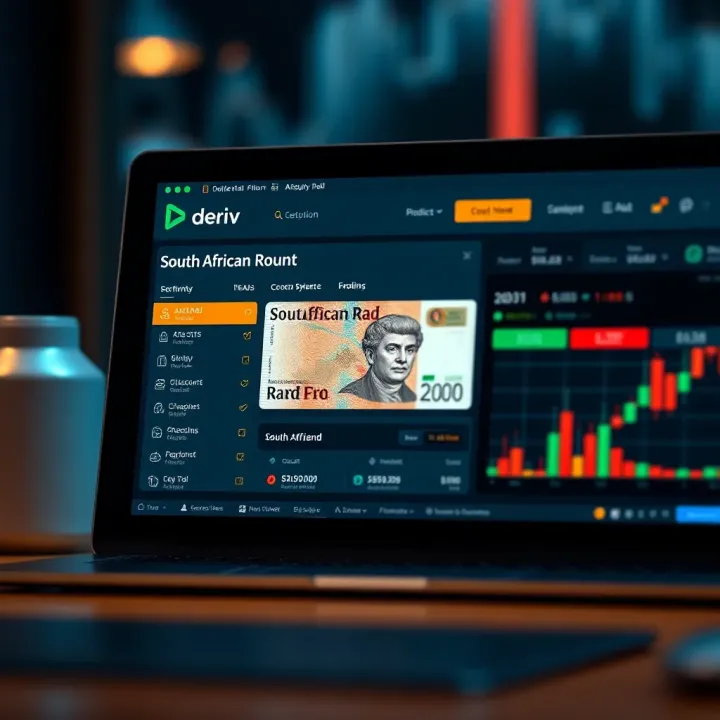
Trade on Deriv with the South African Rand (ZAR) and discover easy setups, local payment options, and how your ZAR account benefits your trading experience 🇿🇦📈💳

📈 Interested in Amazon stock from South Africa? Learn how the global giant’s share value works, investment options, risks, and regulations for local investors.
Based on 8 reviews