

Choosing the Best Synthetic Indices Brokers in South Africa
Explore key tips for choosing synthetic indices brokers in South Africa 📉🔍. Learn about trading platforms, regulations, and risk management in detail.
Edited By
Thomas Harding
Getting the right broker can make a real difference whether you're starting out or you’re a seasoned investor. South Africa offers a range of brokers, each with different features, fees, and platforms. Choosing one isn't just about finding the lowest fees – there’s more to it if you want your money to work properly.
Start by considering what kind of trading or investing you plan to do. Will you focus on shares listed on the JSE (Johannesburg Stock Exchange), or perhaps unit trusts and ETFs? Some brokers specialise in certain asset classes and might offer better tools or lower costs for those products.
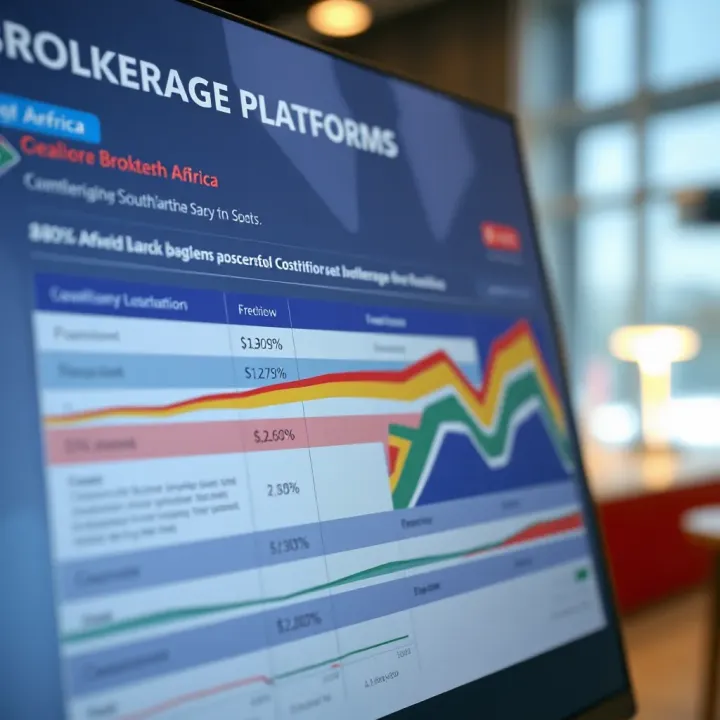
Regulation is another pillar to check. The Financial Sector Conduct Authority (FSCA) regulates brokers in South Africa to protect investors. Always ensure the broker is authorised by the FSCA, which means they meet local compliance standards — kind of like the traffic robot that keeps things orderly on the road.
Technology and platform usability can’t be overlooked either. Does the broker’s trading platform suit your style? For example, a trader needing real-time charting and fast order execution requires more advanced software than a casual investor. Look out for brokers offering mobile apps, USSD access, or support for popular payment options like EFTs and SnapScan.
Fees and charges should be transparent. Beyond the brokerage rate, watch for hidden costs like platform fees, withdrawal charges, or inactivity penalties. A broker that looks cheap upfront may cost you more over time.
Customer service matters when questions or glitches arise. Find brokers with good reputations on response times and support channels — phone, email, or chat.
Choosing the right broker takes more than a quick googling. Understanding your trading goals, compliance checks, platform features, and cost structures helps you pick one that fits neatly with your plans.
In short, don’t rush. Spend some time researching brokers listed on the FSCA database, test demo accounts where possible, and get a feel for their service before committing your hard-earned cash. This way, you’ll hold a smoother hand in managing your investments or trades.
Choosing the right broker boils down to several key factors that directly impact your trading or investment outcomes. A top-notch broker should offer reliable services, fair fees, and transparent processes—a combination that helps you trade smarter and with confidence. For instance, a trader looking for access to various asset classes needs a broker that offers a wide range of financial products; a different investor might prioritise low costs or responsive customer support.
A quality broker provides a trading platform that is both stable and user-friendly, tailored to your level of experience. In South Africa, platforms like EasyEquities offer a simple interface suited for beginners, while more advanced traders might prefer platforms that support real-time charting and technical indicators, such as ThinkMarkets. Account types matter too—some brokers offer demo accounts for practice, tax-free savings accounts (TFSAs), or forex-specific trading accounts. Choosing the right account can influence your fees, tax treatment, and access to different markets.
The variety of assets you can trade or invest in is crucial. Some brokers focus on equities and ETFs, while others provide access to forex, commodities, or derivatives like options and futures. Access to both local and international markets can diversify your portfolio. For example, a South African investor interested in US stocks should ensure their broker facilitates international trades without exorbitant fees or delays. This range allows you to customise your strategy and manage risks better.
Reliable customer service is more than just answering calls promptly; it includes helping with technical difficulties, clarifying fee structures, or guiding newcomers through regulatory paperwork like FICA verification. Moreover, brokers that invest in client education—through webinars, articles, or tutorials—give you an edge. For example, a broker offering market analysis updates alongside tutorial videos can help you make better-informed decisions.
Commission fees and spreads directly impact your profitability, especially if you trade frequently. Some brokers charge a fixed commission per trade, while others incorporate their costs into the spread—the difference between buy and sell prices. A broker advertising zero-commission trades but wider spreads may end up costing more over time. It helps to calculate the total expected cost per trade and consider how it fits your trading style.
Brokers sometimes levy charges beyond obvious commissions, including inactivity fees, withdrawal fees, or platform subscription costs. For instance, if you’re a casual investor who trades only a few times a year, inactivity fees can eat into your returns without you noticing. Always read the fine print or terms of service carefully to avoid surprises.
Efficient and cost-free methods to move money in and out of your trading account are essential. Some brokers impose costly withdrawal fees or delay payments due to complex approval processes. A South African trader using an international broker might face additional foreign exchange or bank charges. Look for brokers supporting local payment options like EFT or instant debit orders without delay. Quick access to your funds matters if you need to react swiftly to market changes or withdraw profits.
Choosing the best broker means matching your trading needs with a combination of suitable services and transparent costs—knowing exactly what you get for your money saves headaches later.

Choosing the right broker depends a lot on understanding the different types available and how they serve various trading or investment needs. Brokers generally fall into three main categories: full-service, discount, and online/mobile brokers. Each offers a distinct approach—from hands-on support and advice to cost-effective, tech-driven solutions. Knowing what each type brings to the table helps you match a broker’s benefits with your own goals and preferences.
Personalised advice and portfolio management are the defining features of full-service brokers. These brokers don’t just execute trades; they act like financial partners, guiding your investment decisions based on your risk appetite, financial situation, and long-term plans. For instance, they might recommend diversifying assets across equities, bonds, and offshore investments to suit your goals.
Suitability for beginner and high-net-worth investors makes full-service brokers a solid choice for those who prefer expert handholding or have complex portfolios. Beginners unfamiliar with the market can lean on these brokers for clarity and structure. Likewise, high-net-worth investors often use their services to access exclusive products and bespoke strategies, which retail platforms may not offer.
Lower fees and self-directed trading define discount brokers. They typically charge less because they provide limited advice, leaving decision-making in your hands. This cost-saving can be significant, particularly if you trade frequently or on a tight budget. You’ll usually find straightforward platforms focused on executions rather than extensive support.
Ideal for experienced traders, discount brokers suit those confident in their market knowledge and able to manage risks independently. Experienced traders value quick execution and low costs over personalised coaching. For example, many active traders in Johannesburg use discount brokers for local shares without paying hefty commissions.
Ease of access and technology features have made online and mobile brokers hugely popular. Their platforms allow you to trade anytime, anywhere, often with advanced tools like live charts, news feeds, and automated alerts. This tech-savvy approach suits modern investors juggling busy lives but wanting to stay close to their investments.
South African platforms to consider include names like EasyEquities and SatrixNOW, which offer user-friendly interfaces and competitive fees tailored for local investors. These services often provide access to both JSE-listed stocks and international markets. They also understand local nuances, such as accommodating loadshedding schedules by allowing offline order placements.
Understanding the differences between broker types sharpens your ability to choose one that fits your financial style, whether you want hands-on advice, cost efficiency, or easy mobile access.
In the end, your broker should align with how you trade, invest, and manage your money—not just the lowest fees or flashiest platform.
Picking the right broker isn't just about fees or flashy platforms—it's about safety, tools, and support that align with your trading goals. When you consider key factors like regulation, available resources, and customer service, you’re investing in peace of mind and the practical means to trade confidently. For instance, a well-regulated broker backed by solid tools makes it easier to seize market opportunities and manage risks effectively.
The Financial Sector Conduct Authority (FSCA) is South Africa's watchdog for financial services, including brokers. Its main job is to protect investors by ensuring brokers follow rules that keep your money safe and markets fair. Choosing an FSCA-licensed broker means knowing they've met strict standards—no cutting corners on security or transparency.
Verifying a broker's licence isn’t complicated but requires a bit of due diligence. You can check the FSCA's official register to confirm they’re authorised. Beyond the licence, look at their track record—read reviews, check for any regulatory warnings, and see how they handle client complaints. A solid reputation in the market is often just as telling as official approval.
Good charting and analysis tools are non-negotiable, especially if you want to spot trends and timing right. Platforms like ThinkMarkets or IG provide interactive charts, technical indicators, and even customer customisation, letting you tailor the experience to your strategy. Without these, you might feel like driving blind on the N1 during peak hour.
Access to research and market updates is another edge. Brokers that provide daily market news, expert commentary, or economic calendars help you make sense of market movements. For example, having live access to JSE news or global data via your broker means you’re not waiting for third-party sites or outdated email alerts.
Being able to reach your broker quickly matters when markets move fast or a tech glitch hits. Check if they offer local phone support or live chat during South African trading hours. Some brokers provide 24/7 help, but responsiveness often counts more than round-the-clock availability. Imagine getting stuck with no one answering during a sudden market drop—that’s a tough spot.
Help with technical or account issues rounds out the service you should expect. Whether it’s reset passwords, withdrawal delays, or platform bugs, a knowledgeable support team that resolves issues swiftly keeps frustration at bay. A case in point: several traders swear by the support at FNB Securities, praising the quick follow-up on account queries.
Trustworthy brokers combine compliance, robust tools, and reliable support—so you can focus on trading, not worry about your broker.
Ultimately, mind these factors thoroughly to find a broker who fits your investing style and protects your interests.
Choosing the right broker isn’t just about good marketing or flashy adverts. It’s vital to properly evaluate and compare brokers to ensure you pick one that matches your trading style, investment goals, and budget. Considering the nuances in fees, platform performance, and customer service can save you from nasty surprises down the line.
Many brokers in South Africa offer trial accounts or demo trading environments. These virtual accounts let you explore their trading platforms without risking your own money. Think of it as kicking the tyres before buying a car — you get to test the ease of navigation, available financial products, and real-time data. This hands-on experience helps you gauge whether the platform suits your needs, whether it’s navigating complex charts or placing quick trades during volatile market moves.
Demo trading environments provide a stress-free way to learn the mechanics of trading, from order placements to understanding spreads and commissions. Especially if you’re new to trading or trying out new strategies, practising on a demo account prevents costly beginner mistakes. It’s like rehearsing a braai before the big family gathering — you're ready for the real thing with confidence and fewer blunders.
Not all online reviews are made equal. It’s better to look for feedback on reputable platforms like MyBroadband forums, Moneyweb comments, or verified user testimonials on the broker's own site rather than random social media posts. These sources often reveal consistent patterns in service quality, hidden fees, or platform issues. Moreover, some financial blogs and independent watchdogs provide trustworthy assessments you can lean on.
Every broker will have its share of fans and critics. The trick is to weigh common complaints against recurring praises. For example, if multiple users complain about slow withdrawals but praise user-friendly interfaces, consider which matter most for you. Don’t dismiss negatives outright, but also avoid being swayed by one-off bad experiences – read enough to form a balanced view.
Creating a comparison table helps to organise critical data clearly. List brokers alongside their commissions, spreads, minimum deposits, platform features, and customer support availability. Use your primary trading needs to assign weight to each factor — someone prioritising low fees should rank that higher than fancy tools, while an active trader might value real-time data feeds more.
Your trading or investment goals will dictate which features are essential. For instance, if you want to trade local equities on the JSE, ensure the broker provides good access to these markets without excessive fees. On the other hand, international traders may prioritise brokers offering global access and currency pairings. Matching features with your objectives prevents paying for extras you'll never use or losing out due to missing essentials.
Taking time to evaluate and compare brokers thoroughly not only protects your money but sets a solid foundation for successful trading or investing in South Africa’s unique market conditions.
When it comes to picking the right broker, understanding what the popular options in South Africa have on offer can give you a real edge. Local and international brokers differ not only in the products and services they provide but in how they fit into the regulatory and market landscape here. Getting a handle on their strengths, weaknesses, and practical implications can help you make a better-informed choice.
Local brokerage firms often maintain physical offices where clients can visit for face-to-face support. This traditional setup appeals to investors who prefer direct interaction, especially when dealing with complex queries or requiring personalised financial advice. Having an office nearby also means you can attend workshops or seminars organised by the broker to boost your trading knowledge.
South Africa hosts several well-known brokers with strong reputations earned over decades. For example, firms like PSG Wealth, Sanlam Private Wealth, and RMB Morgan Stanley cater to a range of clients—from entry-level investors to high-net-worth individuals. These brokers typically offer access to the JSE (Johannesburg Stock Exchange), local unit trusts, and retirement products, ensuring you trade within well-understood frameworks and regulations.
Accessing global markets via international brokers can be a smart move if you want to diversify beyond local shares, bonds, or ETFs. Many such brokers provide direct access to global exchanges like the New York Stock Exchange, London Stock Exchange, or NASDAQ. That means you can tap into sectors or companies not listed locally, potentially capturing growth opportunities elsewhere.
However, there are compliance challenges and extra costs to bear in mind. South African regulatory requirements, including those from the Financial Sector Conduct Authority (FSCA), might limit the range of services offered or impose strict reporting obligations. Plus, international brokers often charge higher fees, involve currency conversion costs, and have different trading hours that can impact your strategy. These factors should weigh in your decision, especially if you’re mindful of cost efficiency and legal safeguards.
Choosing between local and international brokers boils down to balancing convenience, regulation, market access, and cost. Assess your own needs carefully to spot the best fit.
In the end, understanding the landscape of popular brokers in South Africa gives you the groundwork to choose a firm that aligns with your goals—whether you’re looking for local market stability, international reach, or a blend of both.
Explore key tips for choosing synthetic indices brokers in South Africa 📉🔍. Learn about trading platforms, regulations, and risk management in detail.

Explore Pocket Option Broker with detailed info on features, registration, trading tools, account types, security, and customer support for South African traders 💼📊🔒

📈 Learn how to trade forex in South Africa with confidence. Understand local regulations, pick trusted brokers, manage risks, and use practical tools tailored for SAs traders.
📈 Learn how to trade cryptocurrency safely in South Africa. Get tips on platforms, strategies, tax rules, managing volatility and data costs for smart trading.
Based on 9 reviews