
Understanding Binary.com for South African Traders
🔍 Explore Binary.com from a South African perspective! Learn its features, trading options, safety tips, and how to trade smartly with Rand investments. 📈
Edited By
Alexander Hughes
Binary.com presents an opportunity for South African traders to access international binary options and CFD trading. Understanding what a real account involves is key before diving into this world of finance. A real account is not a practice or demo account; it involves real money, actual profits, and risks.
Opening a real account on Binary.com allows you to place live trades on various assets like forex, indices, commodities, and cryptocurrencies. The direct exposure means your funds are at stake, so it's important to grasp how the platform works and what to expect.
South African traders appreciate platforms that combine regulatory transparency with ease of access. Binary.com caters to this by offering a straightforward registration process and support for various funding methods suitable for local conditions, including credit cards and e-wallets.
"Funding your account promptly and securely is vital. Using recognised services, such as Visa, MasterCard, or global e-wallets familiar to South African users, helps ensure smooth deposits and withdrawals."
Here’s what you need to know to get started with a Binary.com real account:
Registration steps: Prepare your ID or passport, proof of address (like a municipal rates statement), and complete the Know Your Client (KYC) checks required by South African regulations.
Account funding: While credit/debit cards and e-wallets like Skrill or Neteller are supported globally, check latest updates on Binary.com's payment channels that work effectively in South Africa.
Trading options: The platform offers various contract types—high/low, touch/no-touch, and in/out—all with different risk profiles. Understanding these mechanics can help you align trades with your strategy.
Security measures: Binary.com applies standard encryption protocols to protect user funds and data. Enabling two-factor authentication on your account further boosts security.
In short, a real account on Binary.com opens the door to live trading, but it requires careful preparation, understanding of product specifics, and readiness to manage risks. Tailoring your approach with South African financial realities in mind means you’re better placed to trade smartly and securely.
Understanding what Binary.com real accounts offer can make a big difference for South African traders looking to engage in live market trading with confidence. These accounts unlock actual market participation, letting you trade with real money — a step up from demo accounts that simulate trading without financial risk. This shift is important because it connects you directly with market movements and real financial outcomes.
One of the main appeals of Binary.com's real accounts is the ability to trade live markets in real time. Unlike demo accounts that simulate prices, real accounts provide authentic market prices, reflecting true demand, supply, and volatility. For example, when the rand weakens against the dollar, a real account lets you immediately seize that trading opportunity, rather than practising on theoretical scenarios.
Binary.com accommodates South African traders by allowing deposits and withdrawals in rand (ZAR). This avoids the hassle and cost of forex conversion fees or dealing with international payment services. Practically, this means you can top up your account via local banking methods like EFT or card payments, and withdraw profits directly into your South African bank account in rand — making the process smoother and less expensive.
With a real account, you can access a broad range of trading options. This includes forex pairs involving the rand and major global currencies, commodities like gold and oil, as well as indices tracking stock market performance locally and internationally. For instance, you might trade the JSE Top 40 index or speculate on global oil price shifts. This variety offers flexibility to diversify your trades and adapt to market trends.
The most fundamental difference lies in the funds involved. Demo accounts use simulated money, so you can practice and test strategies without risking capital. Real accounts, however, require you to put up actual money, meaning every trade gains emotional weight. This difference profoundly affects how you approach decisions — a correct call translates to profit, but mistakes hit your pocket.
Trading with real money demands emotional discipline not practised on demo accounts. South African traders often find that strategies that seem foolproof in the demo environment falter when real stakes are on the line. Stress, fear of loss, and hesitation creep in, changing behaviour. Understanding this psychological shift is vital; many recommend starting small on real accounts to build confidence and control.
The reality of financial risk changes everything: mastering emotional calm during live trading is as important as having a sound strategy.
Demo accounts carry no financial risk but also yield no rewards beyond learning. Real accounts expose you to the real market hazards — losses are possible, but so are gains. South African traders should weigh this carefully, especially since market volatility can be heightened by global economic shifts impacting the rand. Real trading is where potential profits materialise, but it also requires strict risk management to protect your investment.
Overall, Binary.com real accounts offer South Africans a gateway to genuine trading with a familiar currency and a varied asset selection. They bring real challenges and opportunities that prepare traders for the realities of the market, far beyond what demo accounts can teach.
Opening a real account on Binary.com is your first move towards actual trading, and understanding this process is vital for South African traders. This section breaks down each step, ensuring you meet local regulatory demands while making the process less daunting. Whether you're fresh to online trading or shifting from demo accounts, knowing what to expect helps avoid delays and missed opportunities.
South Africa requires financial platforms to comply with both RICA (Regulation of Interception of Communications Act) and FICA (Financial Intelligence Centre Act). These laws aim to prevent fraud, money laundering, and illegal activities. When opening your Binary.com account, you'll need to provide information that confirms your identity and location. This verification process isn't unique to Binary.com but is a legal necessity across most trading platforms operating in South Africa.
Practical compliance means you must submit documents such as a certified copy of your South African ID or passport, proof of address not older than three months (utility bills, bank statements), and sometimes a selfie or a video for facial verification. For instance, if you live in Johannesburg, a recent municipal account or water bill can serve as an address proof. Ensuring these documents meet Binary.com’s requirements smooths out the verification process.
Account security is critical once registered. Setting up strong security measures like two-factor authentication (2FA) drastically reduces the risk of unauthorised access. Binary.com encourages this, usually via authenticator apps or mobile SMS codes. For example, pairing your login credentials with a 2FA app like Google Authenticator adds an essential layer, shielding your hard-earned funds and personal information.
South Africans mostly prefer using local bank transfers and electronic funds transfer (EFT) to fund their accounts. This method is practical since it avoids the hassles of currency conversion — deposits remain in South African Rand (ZAR), saving on exchange fees. EFTs typically clear within 24 to 48 hours, depending on your bank and the transaction time. For example, if you use FNB or Standard Bank internet banking, the deposit usually reflects quickly during banking hours.
Beyond bank transfers, Binary.com supports cards like Visa and Mastercard, as well as popular e-wallet options. Using a Visa card issued by a South African bank can speed up the funding process, with payments generally credited instantly. Meanwhile, e-wallets like Skrill or Neteller add convenience and faster withdrawals, often preferred by traders who want swift money movement without going through long banking queues.
Fees and processing times vary across payment methods. Bank transfers often have minimal or no fees but take longer. Card payments might incur a small percentage fee but credit funds immediately. Understanding these trade-offs lets you pick the best option. For instance, if the markets are volatile, waiting 48 hours for an EFT might be risky, and using a card for a quick deposit makes more sense.
Remember, choosing the right payment method affects your trading agility. In South Africa, being mindful of Eskom loadshedding schedules and internet reliability can influence when and how you fund your account to avoid interruptions.
In summary, following the correct verification steps and selecting suitable funding methods tailored to South African realities ensures a smooth start on Binary.com. This practical approach safeguards your investments and sets a solid foundation for confident trading.
Trading on Binary.com real accounts opens up practical opportunities for South Africans to engage directly with live financial markets, using Rand and other international currencies. Understanding what instruments and tools are available helps traders make informed choices and manage risks effectively, avoiding common pitfalls.
Binary.com offers forex pairs that include the South African Rand (ZAR) along with major international currencies like the US Dollar (USD), Euro (EUR), and British Pound (GBP). This is useful for local traders who want to speculate on currency movements either involving their home currency or global pairs, giving a familiar starting point. For instance, trading the USD/ZAR pair lets South Africans respond to market shifts affecting imports and exports, or movements tied to commodity prices that impact the Rand.
Access to Rand pairs also makes deposit and withdrawal processes more straightforward, avoiding extra conversion costs. A practical example: when the Rand weakens suddenly, a trader holding ZAR forex positions might choose to act quickly to protect profits or limit losses.
Indices allow traders to speculate on the overall performance of a collection of stocks, rather than individual shares. On Binary.com, indices include both global names like the S&P 500, and local markets such as the FTSE/JSE Top 40. This gives South African traders a way to bet on broad market trends without owning shares.
This is particularly relevant during uncertain times—like when limited liquidity or loadshedding hits local firms—because indices smooth out the noise from individual stock swings. A trader might use the FTSE/JSE Top 40 index to gauge local economic health or follow global ones to diversify risk.
Commodities like gold, silver, and crude oil play a big role in the South African economy, especially gold mining. Binary.com offers these for trading, letting users respond quickly to price changes. For example, if gold prices surge due to global demand or rand depreciation, traders can try capturing gains through Binary.com’s real account.
Cryptocurrencies such as Bitcoin and Ethereum are available, appealing to traders keen on digital assets. Since crypto markets don’t rely on traditional market hours, they can provide trading chances outside normal times. That said, their volatility is higher, so understanding this is key before committing real money.
These tools help limit losses and lock in gains automatically by closing trades at preset price levels. For South African traders, this matters because sudden market moves—often amplified by global events affecting local currency—can eat into capital quickly.
For example, setting a stop loss on a volatile currency pair protects you from a sharp rand devaluation. Take profit works similarly but locks in profits once a target price is reached, so you don’t have to watch the screen all day.
Binary.com provides charts and indicators that help traders read market trends and make decisions based on real data rather than guesswork. Familiar tools include moving averages, RSI, and candlestick patterns.
Using these, a trader might notice a pattern that historically signals a price rise or fall for the USD/ZAR pair and time entries or exits accordingly. Combining analysis with local factors like economic releases or municipal elections can enhance accuracy.
Leverage lets you control a larger position with a smaller amount of money, amplifying both potential gains and losses. Margin is the amount of money required to open and maintain these leveraged positions.
While leverage can boost returns, South African traders should be cautious due to rand volatility and times of economic uncertainty. Knowing your margin requirements prevents surprise margin calls that force trades to close at unfavourable levels. Always treat leverage as a double-edged sword—potentially turning a small investment into a bigger win or loss.
Managing your trades with appropriate tools and a clear understanding of what’s on offer maximises your chance of success trading on Binary.com real accounts from South Africa.
Trading here demands attention to detail, awareness of local and global market influences, and disciplined risk management to navigate the trading landscape confidently.
Security and reliability are at the heart of any serious trading platform, especially when it involves real money. For South African traders using Binary.com, understanding how the platform protects funds and data can build essential trust and confidence. This section breaks down key security measures and offers practical advice to stay safe.
Encryption and secure servers play a critical role in safeguarding your information. Binary.com uses advanced encryption standards similar to those banks rely on. This means data like your login credentials, personal details, and transaction records travel across the internet in a coded form, keeping hackers at bay. Secure servers reduce the risk of breaches or leaks, which is crucial given the sensitive financial data involved.
Segregation of client funds is another vital protection measure. Binary.com keeps client money separate from its own operating funds. In practice, this means that your deposits are stored in dedicated bank accounts, not touched for company expenses. If the company runs into financial trouble, your funds should remain safe and accessible. This approach aligns with global best practices and adds a layer of security uncommon in lesser-regulated platforms.
When it comes to regulatory oversight and licences, Binary.com holds licences from several respected authorities worldwide. These licences ensure the broker adheres to strict standards on capital adequacy, fair trading, and transparency. While South Africa’s own FSCA (Financial Sector Conduct Authority) does not regulate Binary.com directly, the platform’s global licences provide reassurance. Traders should always check the latest information to confirm that the broker maintains good standing with these regulators.
Online scams targeting traders have become increasingly common. Fraudsters might impersonate Binary.com representatives offering too-good-to-be-true deals, or send fake emails requesting sensitive details. One popular trick is phishing — fake websites or messages designed to steal your login info. Being aware of such tactics helps traders avoid costly mistakes.
To spot legitimate communication from Binary.com, scrutinise emails for proper branding, official domains, and the absence of suspicious links or requests. Official notices will never ask for your password or PIN via email or messages. When in doubt, log into your account directly through the genuine website rather than clicking on links.
Maintaining best practices for account security includes using strong, unique passwords and enabling two-factor authentication (2FA) where available. South African traders should also monitor their accounts regularly for unusual activity and avoid trading on public or unsecured Wi-Fi networks. Keeping your computer and mobile devices updated with the latest security patches reduces vulnerabilities. Remember, your vigilance is part of the platform’s overall security.
Peace of mind comes not just from the broker's security measures but from informed trader behaviour. Stay alert, check credentials, and protect your data.
By understanding these layers of protection and risks, South African traders can engage with Binary.com real accounts more confidently, focusing on trading without fearing unexpected breaches or scams.
Trading on Binary.com with a real account comes with particular nuances for South African traders. Beyond just understanding how to trade, it's key to manage costs, comply with tax rules, and adapt to local conditions like loadshedding or internet hiccups. This section offers practical guidance to help you navigate these challenges smartly.
When trading on Binary.com, transaction fees and spreads can eat into your profits if you're not careful. These costs vary depending on the asset you're trading and the payment methods you choose. For instance, funding your account via South African bank transfers might have lower fees than paying through international cards. It's wise to compare spreads on forex pairs or commodities since tighter spreads usually mean better trade execution without losing much to costs.
Understanding your tax obligations with the South African Revenue Service (SARS) is crucial. Any profits made through trading need to be declared as income or capital gains, depending on how SARS views your trading activity. For active traders, SARS often treats earnings as business income. Hence, keeping up with SARS guidelines on trading income is advisable. Ignoring tax duties could lead to penalties, so consulting a tax professional familiar with trading and SARS rules can save you headaches.
Keeping accurate trading records is not just helpful but essential for tax purposes and performance review. Binary.com allows you to download your trade history, which you should back up regularly. Make sure you record deposits, withdrawals, fees paid, and profits. This documentation simplifies tax filing and can be used to track what strategies work best for you. An Excel sheet or simple bookkeeping software geared towards traders works well here.
Loadshedding and uneven internet connections pose real challenges for online traders in South Africa. To avoid missing trades or facing disruptions, it's smart to have backup power solutions like inverters or portable power banks. Also, consider mobile data as a fallback if your home connection drops. Setting alerts on your mobile can notify you of critical trade signals even when away from your computer.
Timing your trades to match global market hours can improve opportunities and reduce risks. For a South African trader, this often means trading when London or New York markets are open since these sessions offer greater liquidity and volatility. Planning your trading hours around these peak times helps you avoid thin-volume markets that tend to be choppier and less predictable.
Finally, tapping into local support groups and trader communities can be a game-changer. In South Africa, forums, WhatsApp groups, or Facebook pages dedicated to Binary.com and similar platforms provide practical tips, scam warnings, and shared experiences. Engaging with fellow traders helps you stay informed about platform updates or changes specific to South Africa, and can sharpen your trading approach.
Trading successfully on Binary.com is more than just picking trades. Managing costs smartly, staying tax-compliant, and adapting to South African realities like loadshedding or market hours will improve your chances of lasting success.
🔍 Explore Binary.com from a South African perspective! Learn its features, trading options, safety tips, and how to trade smartly with Rand investments. 📈
Explore QXBroker's platform, regulation, account types, and trading tools designed for South African traders. Make informed decisions with trusted insights 📊🌍
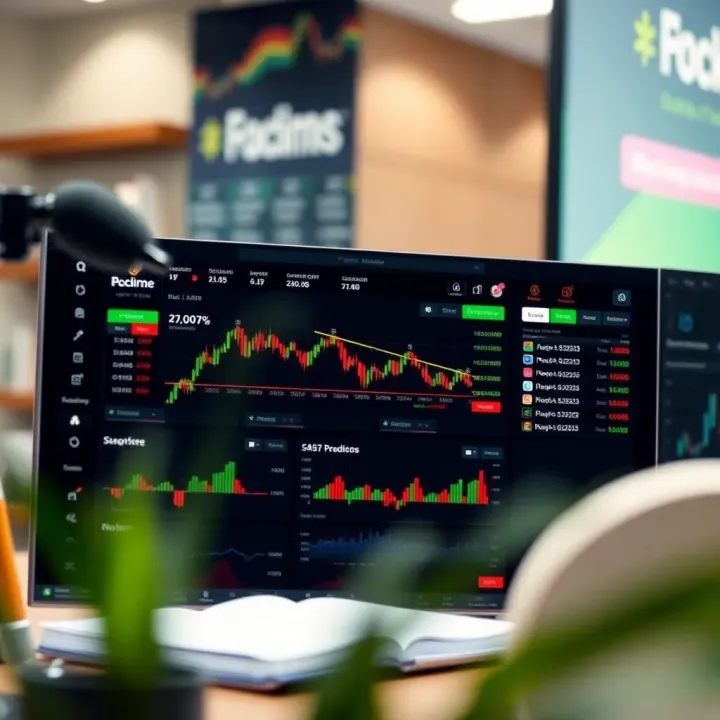
📊 Explore Pocket Options tailored for South African traders! Learn registration, trading types, tools, pros, risks & tips to trade smarter today. 🇿🇦

📱 Discover how to safely download and use the IQ Option APK in South Africa, with tips on features, installation, and overcoming local trading challenges.
Based on 8 reviews