
Understanding Forex Trading Robots: A Practical Guide
🤖 Discover how forex trading robots work, their pros and cons, setup tips, and how to manage risks for smarter trading decisions in South Africa's forex market.
Edited By
Ethan Shaw
Forex signals WhatsApp groups have quickly become part of many traders’ toolkits, especially in South Africa where mobile connectivity is widespread. These groups provide real-time trade ideas and market insights via quick messages, so traders can make faster decisions. But understanding how they work and using them wisely is key to avoiding costly mistakes.
Typically, a group admin or signal provider shares updates on currency pairs, entry points, stop-loss levels, and take-profit targets. For example, a message might say: "EUR/USD buy at 1.0700, stop-loss 1.0680, take profit 1.0750." Traders then decide whether to act on these tips based on their own strategies and risk appetite.
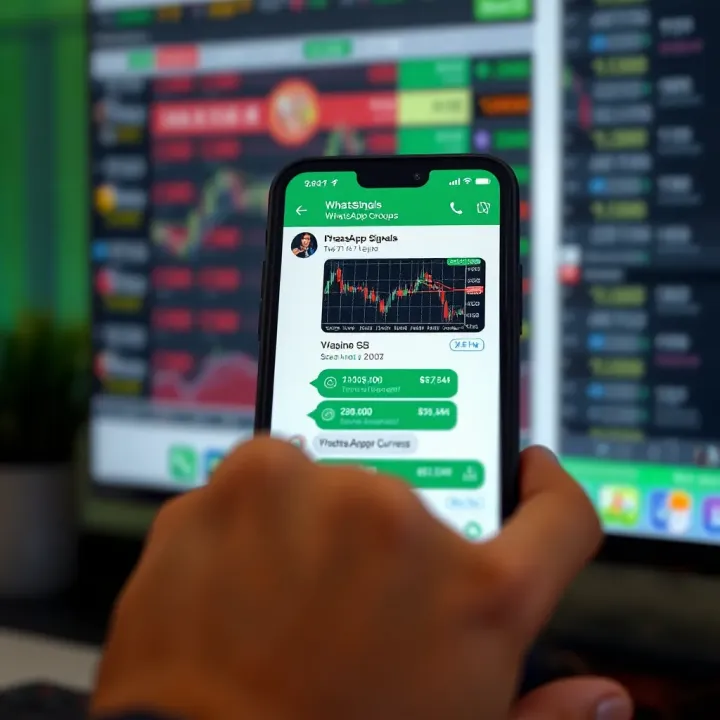
One benefit of these WhatsApp groups is immediacy. Markets shift quickly, and getting alerts directly to your phone can help you seize short-term opportunities or avoid losses. They also connect traders who want to exchange views or questions in an informal setup.
However, there are risks. Not all groups offer credible signals—some may be run by inexperienced people or outright scammers hoping to lure members with promises of easy profits. Trust takes time to build, and blindly following signals without understanding the reasoning behind them can backfire.
South African traders should evaluate WhatsApp forex groups carefully by:
Checking the track record of providers over weeks, not days
Seeking transparency about entry, exit, and risk management
Avoiding groups demanding upfront fees without clear results
Practically, incorporating WhatsApp signals means treating them as one part of your trading toolkit, not gospel truth. Use signals as starting points, verify them with your own research or charts, and fit them into your trading timeline. For example, if a signal arrives during peak loadshedding and you can’t check the charts immediately, it might be safer to hold off.
Remember, success in trading comes from consistent process and discipline, not shortcuts or magic picks. Signals can help, but they’re no substitute for learning how markets move and managing risks thoughtfully.
In short, forex signals WhatsApp groups offer potential value when selected and used carefully. They can accelerate decision-making and offer community support but expect to put in the work yourself to ensure your trades stand on solid ground.
Forex signals WhatsApp groups have become an accessible way for traders to receive timely tips and trade alerts without needing to monitor markets round the clock. These groups typically share buy or sell signals, entry points, stop losses, and take profit targets, aimed at helping members make informed decisions quickly. For South African traders, especially those balancing work and family commitments, these groups offer an easy avenue to stay connected to the fast-moving forex market.
At their core, forex signals are suggestions or alerts that recommend a particular trading action, like buying or selling a currency pair at a specific price and time. The signals might be generated by experienced traders, financial analysts, or automated algorithms. For example, a signal could say: "Buy USD/ZAR at 18.25, stop loss at 18.10, take profit at 18.50." This allows traders to act quickly without spending hours analysing charts.
Signals aim to save traders time and help those still building their skills. While not foolproof, they provide actionable starting points that can improve trading efficiency. In practice, signals often serve as a nudge rather than a command, encouraging traders to verify the info against their own research.
Signals help traders keep pace with the market’s fluctuations, especially during overlapping trading sessions or important news releases. A South African trader, for instance, might receive alerts during their workday so they can adjust positions or set orders remotely. In volatile markets, such instant updates can be the difference between locking in profit or suffering unnecessary losses.
Moreover, forex signals can act as a learning aid. New traders can observe the rationale behind each signal, grasp market trends, and develop their own sense for timing trades. Nevertheless, signals perform best when combined with personal analysis and risk management.
WhatsApp’s popularity in South Africa makes it a natural choice for forex signal sharing. It's widespread, easy to use, and operates well even on limited mobile data or intermittent connections — common realities here. For many, WhatsApp groups provide a direct, real-time connection to trading communities without needing special software or expensive subscriptions.
WhatsApp groups allow for rapid, clear sharing of text, images, charts, and voice notes, all of which can enhance signal clarity. The platform’s simple notification system ensures traders see alerts instantly. Plus, features like message reactions or pinned messages help highlight important signals or updates.
Groups also foster interaction among members, allowing for quick questions, clarifications, or sharing experiences. This social aspect can build confidence but calls for caution: participants must discern quality signals from hype and remain vigilant against misinformation.
The key to benefiting from forex signals WhatsApp groups lies in understanding their supportive role—not replacing a solid trading strategy but complementing it effectively.
WhatsApp groups for forex signals give traders a quick way to get updates without constant monitoring of trading platforms. In South Africa, where sudden market moves can impact trades heavily, getting real-time signals is a practical advantage. For example, if the rand suddenly weakens due to local political events, a signal alert can help traders adjust their positions promptly.
Since these signals often come with explanations or technical points, traders can see the reasoning behind trades quickly. This sort of immediacy helps in fast-moving markets, especially with more volatile currency pairs like USD/ZAR or EUR/ZAR.
WhatsApp is already deeply integrated into daily life for most South Africans. Its simple interface allows traders to engage with signal providers and fellow group members easily. You get alerts on your mobile without needing to log into complex software, which means even those trading part-time or on the go stay in the loop.
Additionally, WhatsApp enables direct messaging and voice notes, allowing for quick clarifications or mentoring alongside signal sharing. This conversational feature fosters community learning and reduces isolation in trading.
Joining many Forex signals WhatsApp groups is free or comes at a minimum subscription. For South African traders, this low barrier allows access to trading insights without the high fees often charged by traditional advisory services.
However, some groups request fees upfront, which can be costly if the signals don’t yield profits. Still, many smaller or emerging providers use WhatsApp as a cost-effective channel, lowering entry costs for new traders.
Not all signals on WhatsApp are reliable. Some might come from unverified sources or be based on poor analysis. If a group repeatedly sends inaccurate signals, traders following them can lose significant funds. For instance, signals without clear stop-loss instructions might lead to bigger losses than anticipated.
It’s crucial for traders not to take every signal at face value and to use signals as one input rather than the sole basis for decisions.
Some traders may become too dependent on signals, neglecting their own market analysis. This can be risky, especially when signals don’t align with the trader’s understanding or strategy.
In South Africa’s markets, where factors like Eskom load-shedding or political shifts affect forex, blindly following signals without local context can backfire. It’s better to blend signals with personal research to keep control of one’s trades.
WhatsApp groups might expose personal information such as mobile numbers and profiles to multiple unknown members. This raises privacy issues, especially if groups include unverified or fraudulent participants.
Moreover, some signal providers may pressurise members into payments via unsecured methods or request personal banking details, which poses security risks. Traders should be cautious about sharing sensitive details and avoid making payments without proper verification.
In all, WhatsApp forex signals provide quick access and convenience but require vigilance, smart judgement, and awareness of risks to be truly useful for South African traders.
In the world of forex trading, where every move can mean profit or loss, identifying trustworthy signals is vital. WhatsApp groups offering forex signals are plentiful, but their quality varies widely. South African traders need to be able to separate the credible groups from the scams to protect their investments and avoid wasting time on unreliable advice.
Track record and transparency matter a lot. Reliable WhatsApp groups usually share their past performance openly, including both winning and losing trades. This honest approach lets traders judge if the signals have, over time, delivered reasonable returns. For example, a group that posts weekly summaries of their signals, showing hit rates and drawdowns, demonstrates transparency. In contrast, groups that only boast huge gains without sharing details should raise eyebrows.
User reviews and community feedback offer practical insights from fellow traders. Checking experiences shared by current or former members helps gauge a group's reliability and professionalism. This could be through word of mouth on forums like MyBroadband or trading communities on social media. If many members praise the accuracy of signals but warn about delays in communication, that’s useful information to manage expectations.
Signal performance monitoring is key for ongoing trust. Credible providers often maintain performance records accessible to members or prospective clients. Some might even use third-party platforms or trading journals to validate their results. For example, a provider who links to verified results on platforms like Myfxbook shows commitment to accountability rather than just empty claims.
Promises of guaranteed profits should be treated with suspicion. Forex markets are inherently volatile — no signal or trader can predict outcomes with certainty. Groups or individuals claiming you’ll "definitely" make a certain percentage each month disregard the unpredictable nature of trading. Such guarantees often cloak high-risk or fraudulent schemes aiming to lure desperate traders.
Pressure to pay upfront fees is a common red flag. While some groups charge for premium services, aggressive tactics like pushing for immediate payment or threatening to revoke access if you delay are concerning. Genuine providers give potential users trial periods or transparent pricing structures without hurried demands. In South Africa, where online scams are increasingly common, it’s wise to be cautious about sharing banking details or paying via untraceable methods.
Lack of clear strategy or rationale behind the signals contributes to poor trading decisions. Trustworthy groups explain why they recommend a trade — whether it’s based on technical analysis, fundamental factors, or market sentiment. If a group regularly posts signals with no explanation or inconsistent reasoning, they’re less likely to help traders learn or build confidence. Understanding the strategy also allows traders to evaluate if the signals fit their trading style and risk appetite.
Always approach Forex signals WhatsApp groups with a critical eye. Taking the time to evaluate their credibility can save you from costly mistakes and foster a smarter trading experience.
In sum, South African traders can improve their chances of success by looking for transparency, community feedback, and verifiable performance in forex signals groups. Avoid groups that rush payment, promise sure profits, or lack clear reasoning — keeping this checklist in mind helps protect your money and trading journey.
Integrating forex signals into your trading approach means using them as a helpful supplement rather than a one-size-fits-all solution. Signals can offer timely cues, but relying solely on them without your own analysis often leads to poor decisions. For South African traders, combining signals with personal research helps you stay in control and tailor actions to your risk tolerance and goals.
Cross-verifying signals with charts and trends is key. For example, if a WhatsApp group signals a buy on the USD/ZAR pair, scan your own platform to check whether technical indicators like moving averages or trend lines support this. Does the price show an upward momentum, or are there resistance levels nearby? This confirmation reduces the chance of blindly following a signal that might be out of sync with market realities.
Setting personal risk management limits is as vital as spotting good signals. Decide beforehand the amount you’re comfortable risking per trade, whether that's 1% or 2% of your trading capital. Even if a signal promises a strong trade, sticking to your loss limits keeps you from wiping out when the market turns against you. For instance, use stop-loss orders systematically to protect gains and limit losses—this discipline is crucial in volatile forex markets.
Trading platforms compatible with signal alerts allow for faster reaction times. Many popular platforms like MetaTrader 4 or 5, and cTrader support push notifications and automated trade copying. If your WhatsApp signal includes entry and exit points, having these platforms means you can execute quickly without toggling between apps. This reduces delays that might cost you points or rands.
Local data sources and news feeds further strengthen your decision-making. South African events like SARB policy announcements or Eskom’s load-shedding stages impact the rand’s value. Incorporating feeds from credible outlets such as News24 Business or MyBroadband alongside global sources lets you align your trades with current market drivers. Staying alert to these helps you decide whether to trust signals pushing trades on volatile pairs.
The best approach treats WhatsApp forex signals as an additional set of eyes, not a crystal ball. Complement signals with your own charts, strict risk controls, reliable platforms, and local market information to trade more confidently and safely.
By keeping these points in mind, you’ll use forex signals more effectively and steer clear of common pitfalls.
Joining a Forex signals WhatsApp group can be a handy tool for market insights, but South African traders should approach these groups with a clear strategy and caution. Following best practices helps you avoid common traps and protects both your investment and personal information. This section covers practical steps that can help you make better use of signals while maintaining control over your trading journey.
Realistic goal-setting is fundamental. Forex signals can offer valuable guidance but don't mistake them for a guaranteed payday. The markets are unpredictable, and setting expectations too high sets you up for disappointment. For example, expecting to double your trading account in a month is a stretch and often leads to overtrading. Aim instead for steady, manageable gains that suit your risk appetite.
Recognising market volatility is another key aspect. Forex prices can swing wildly, driven by global economic news, geopolitical events, or even big-picture investor sentiment shifts. For South Africans, currency moves can be particularly volatile around local events like SARB's interest rate decisions or reports from Statistics South Africa. Understanding this volatility means you won't panic-sell if a signal doesn’t immediately pan out.
Maintaining discipline in following your trading plan ensures you don’t blindly chase every signal that pops up in a WhatsApp group. It’s tempting to jump on every potential gain, but sticking to your risk management rules—like setting stop losses or limiting position sizes—prevents unnecessary losses. For instance, if a signal doesn’t fit your analysis or risk level, it’s perfectly fine to skip it.
Safeguarding personal data on WhatsApp is essential. WhatsApp groups can expose your mobile number and profile details to many unknown people, risking unwanted contact or scams. Adjust your privacy settings to restrict who can see your information, and avoid sharing sensitive details like banking information over chat.
Avoiding unauthorised payments within these groups is crucial. Scammers may pressure you to pay fees upfront for exclusive signals or promise guaranteed profits after a deposit. Always verify the legitimacy of the source before parting with money. A reputable group will never demand payment before showing some proven track record or allow payments through suspicious channels.
Keeping trading accounts secure means using strong passwords and two-factor authentication on your trading platforms. If your account gets hacked, a trader can lose funds or expose personal data. In South Africa, many brokers offer secure logins—always opt for these safeguards. Regularly update your passwords and be mindful of phishing attempts, which are unfortunately common in financial circles.
Protecting yourself goes hand in hand with sound trading. Being cautious with both your money and data helps you navigate forex signals groups more safely and effectively.
By keeping these best practices in mind, you gain better control over your trading, reduce risks, and make your participation in Forex signals WhatsApp groups work in your favour rather than against you.
🤖 Discover how forex trading robots work, their pros and cons, setup tips, and how to manage risks for smarter trading decisions in South Africa's forex market.
📈 Discover how to use Telegram forex signals in South Africa safely. Learn to pick reliable providers, interpret signals, and boost your trading skills!
Explore RCG RAW 📊 with this detailed guide tailored for South Africa. Understand its core concepts, tech details, and real-world uses in today's data-driven world.

Explore synthetics trading 📊: key concepts, types, tech, risks & tips tailored for South African investors aiming to navigate modern financial markets confidently.
Based on 15 reviews