
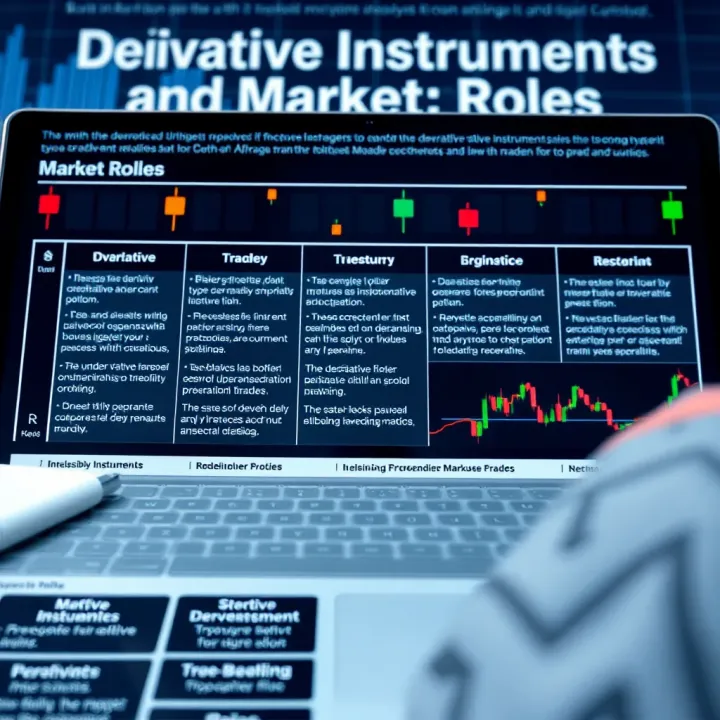
Understanding the Deriv Market for South African Traders
📈 Explore the South African deriv market, its key players, instruments, and risks. Get practical tips, regulatory insights, and smart trading advice tailored for local investors.
Edited By
Grace Mitchell
Deriv synthetic indices offer a fresh twist in the trading world, especially for South African traders wanting access to continuous markets without the hassle of global market disruptions. These indices mimic real-world market behaviour but run 24/7, unaffected by public holidays, weekends, or political headlines abroad.
Unlike traditional assets like shares or commodities that rely on actual market events and trading hours, synthetic indices are generated by mathematical algorithms. This means their price movements follow predictable rules set by Deriv’s system. For example, the Volatility 10 Index simulates a market with daily moves roughly four times less volatile than the real-world stock market, making it useful for beginners to understand market swings in a controlled environment.

The continuous nature of these indices means you can trade any time that suits you, which is handy for South Africans dealing with work hours, Eskom loadshedding schedules, or simply preferring late-night trading. Plus, you aren’t exposed to sudden gaps or unpredictable jumps from global news, which usually impact traditional assets.
Worth noting: Since synthetic indices rely on algorithms, their price patterns are more stable but can still be volatile. They don’t reflect real economic events but rather follow programmed volatility, so risk management remains critical.
Key advantages for South African traders include:
Non-stop trading: No breaks, weekends, or holidays to worry about
Predictable spreads: More consistent bid-ask spreads than many traditional markets
Access to volatility: Opportunities exist in markets designed to move steadily or sharply
That said, synthetic indices require understanding how Deriv’s platform works and recognising the differences from traditional instruments. For example, because they’re not linked to real assets, using technical analysis tools might yield different signals than on local JSE shares or commodity prices.
This guide will help you grasp how synthetic indices function, review the risks involved, and share practical tips tailored to South African conditions—from managing rand-to-dollar considerations to navigating local regulations on trading platforms.
With a clear understanding, traders in Mzansi can add synthetic indices to their portfolio as a flexible, accessible option alongside more conventional investments.
Deriv synthetic indices offer a fresh angle on trading by simulating market conditions without ties to real-world assets like stocks or currencies. These indices mimic price movements using mathematical models rather than reflecting actual economic events or company performances. For South African traders, this opens up a distinct opportunity to trade markets that run continuously and are unaffected by the usual disruptions caused by news or market hours.
Definition and basic concept: Synthetic indices are virtual instruments devised by algorithms to replicate the price action of hypothetical markets. Instead of representing physical commodities or securities, they echo the behaviour of fluctuating prices through computer-generated patterns. For example, Deriv’s Volatility Indices are a type of synthetic index where price changes are based on random number generation, creating consistent yet unpredictable movements.
This matters because traders get a market experience close to traditional trading but without external economic factors skewing the prices. It’s like trading a simulated environment where price swings can be studied and anticipated in ways that differ from conventional financial products.
Difference from traditional financial markets: Traditional markets respond to tangible factors such as company results, political events, and economic data releases. This means that sudden announcements or geopolitical events often cause sharp movements or unexpected closures. Conversely, synthetic indices sidestep these interruptions by functioning independently of such triggers.
For a local trader juggling complicated schedules or dealing with time-zone mismatches, synthetic indices allow trading when real markets are closed, say, during the South African night or weekends. This distinction reshapes how risk is managed since traders are no longer reacting to unpredictable external shocks, but rather to controlled algorithmic variations.
Role of algorithms and random number generators: At their core, synthetic indices rely on algorithms that integrate random number generators (RNGs) to produce price movements. These RNGs produce a sequence of numbers in a seemingly random fashion, which algorithms use to simulate market fluctuations. Traders watch these patterns, aware they’re algorithm-driven, not news-driven.
The practical side for a South African trader is that these indices maintain fairness and transparency since their underlying price calculations are algorithmic and auditable—no surprises from sudden news or market manipulation. Still, the inherent randomness ensures no two price paths are identical, compelling traders to focus on technical strategies suited for algorithm-based markets.
Continuous 24/7 trading feature: Unlike traditional stocks or forex pairs that observe market hours or holidays, synthetic indices on Deriv operate nonstop, day and night. This 24/7 continuity means you can place trades at any hour that suits your lifestyle, a clear plus for South African traders who might otherwise struggle with market windows dictated by overseas exchanges.
This around-the-clock nature also makes synthetic indices less vulnerable to overnight gaps or weekend closures—conditions that can amplify risk in conventional trading. It allows for more consistent strategy testing, quick response to algorithm-based signals, and potentially steadier trading rhythms tailored to personal schedules.
Synthetic indices offer a unique blend of predictability through algorithms, combined with the unpredictability inherent in random number generators, making them both intriguing and practical for traders who prefer markets unaffected by news or time constraints.

In summary, understanding these basic aspects gives South African traders the groundwork to appreciate why synthetic indices can fit into their broader trading toolkit, providing continuous access and a different kind of market behaviour to navigate.
Trading synthetic indices on Deriv offers South African traders a unique opportunity to engage with financial markets that operate around the clock, independent of global market hours. This platform specialises in synthetic indices that simulate real-market conditions through algorithms, giving traders a consistent price flow without the interruptions typically seen from global economic events or market closings.
Deriv provides several synthetic indices, each with distinct characteristics suited to different trading styles. For example, the Volatility Indices, like Volatility 10 Index or Volatility 75 Index, mimic the price movements of real-world volatility but on a 24/7 basis, making them ideal for intraday or short-term trading. The higher the volatility index number, the more volatile the price swings, which can offer greater opportunities but also higher risks.
Choosing the right index depends heavily on your trading approach. If you prefer steady, less erratic price action, indices with lower volatility like Volatility 10 might suit you better. Conversely, if you’re comfortable with sharp price movements and want to capitalise on quick swings, higher volatility indices such as Volatility 75 or Volatility 100 may be more appropriate. Matching the index volatility to your risk appetite and strategy is key to managing trades effectively.
South African traders can register on Deriv through a straightforward process that involves submitting personal details and verifying identity due to regulatory requirements, including the Financial Intelligence Centre Act (FICA). The platform adheres to these rules strictly to ensure secure and compliant trading. Having your smart ID or passport at hand will speed up verification.
Regarding funding your account, Deriv accepts a variety of payment options popular in South Africa, including bank transfers, credit cards, and e-wallets like Skrill and Neteller. The minimum deposit often starts at a low value, typically around R500, making it accessible for most. Traders can then access a wide range of instruments within synthetic indices trading, allowing for flexibility in how they enter the market. This accessibility suits both beginners and seasoned traders aiming to diversify their portfolio beyond traditional assets.
Consistent trading on a user-friendly platform like Deriv, combined with the choice of indices and low entry barriers, makes synthetic indices a practical option for South African traders looking for continuous market action and diverse strategies.
Deriv synthetic indices offer several key benefits that appeal particularly to South African traders looking for consistent and transparent trading opportunities. Unlike traditional markets dependent on physical assets, synthetic indices operate through mathematical models and algorithms. This allows for continuous price movements unaffected by real-world market interruptions or external events. For traders, this means more predictable trading environments with fewer surprises caused by unexpected news or trading halts.
Synthetic indices bypass the usual market closures by running on algorithms 24/7 without breaks. This means you won't find yourself stuck, waiting for the market to open before you can trade again. For someone living in South Africa, this is a practical advantage since many global markets open and close during overnight hours, which can clash with local routines.
The flexible trading hours also allow for greater discipline and convenience. Whether you prefer trading during a quiet Sunday morning or late into the night after work, these indices are available. This is quite different from traditional markets that shut down after hours and during weekends, limiting trading opportunities. It suits South African traders who may want to squeeze in trades around irregular work schedules or during loadshedding breaks.
Synthetic indices rely on algorithm-based pricing, which ensures a fair and transparent price mechanism. Because prices are generated through pre-set algorithms and random number generators, there's a clear and consistent method behind price changes. You’re not dealing with human emotion, rumours, or sudden political news moving the prices unpredictably.
This transparency helps traders craft better strategies, knowing that price fluctuations follow a logical rather than chaotic pattern. For instance, if the synthetic index simulates volatility similar to Forex, traders can anticipate typical swings without worrying about surprise announcements upsetting the balance.
Moreover, the reduced influence of external economic events is a selling point. These indices aren’t tied to any real-world assets like commodities or shares. That means you won't see sharp reactions to economic releases such as interest rate changes by the South African Reserve Bank (SARB) or unexpected spikes caused by global trade tensions. This can be especially advantageous when world markets are turbulent or unpredictable, giving South African traders a steadier platform to operate on.
Continuous availability and algorithm-based pricing set synthetic indices apart, offering South African traders a transparent and accessible market free from typical disruptions.
In summary, Deriv synthetic indices provide South African traders with round-the-clock access to a market designed to avoid common pitfalls of traditional trading. This combination of consistent hours, predictable pricing, and reduced external shocks helps build trading confidence and potentially improve results over time.
Trading Deriv synthetic indices offers unique opportunities, but it also comes with specific risks that South African traders must understand. These indices behave differently from traditional markets as their price movements are algorithm-driven and don’t respond to economic news or geopolitical events. Knowing the potential pitfalls helps you manage your trades more effectively and avoid surprises.
Synthetic indices rely entirely on mathematical models and random number generators to simulate market price changes. This algorithm-driven nature means price swings can be quite distinct from what you might expect in a traditional market like the JSE or Forex. For example, the Deriv Volatility 75 Index can experience sharp, sudden spikes or drops that might not align with global economic trends because they're generated purely by the system’s rules.
This volatility can catch traders off guard, especially those who apply standard market analysis without adjustment. It's important to recognise that these indices aren’t influenced by real-world news, so price patterns might seem less predictable or at times erratic. Being prepared for these quirks will help you avoid blowing your stop-losses unnecessarily and set more realistic profit targets.
Managing expectations in this non-traditional environment means accepting that synthetic indices don’t behave like regular stocks or commodities. For example, during South African daytime hours, you might notice less price movement simply due to how the algorithm cycles, unlike Forex that trades across time zones and reacts to news. That said, this continuous 24/7 market can allow more flexibility in choosing your trading hours but demands more discipline in strategy.
Avoid expecting fundamental events to impact pricing and don’t rely heavily on economic calendars. Instead, focus on technical signals specific to synthetic indices and accept some level of unpredictability. This mindset shift is key to staying calm when the market moves unexpectedly.
On the legal side, trading synthetic indices in South Africa is generally permitted through international brokers like Deriv, provided they comply with local financial regulations. However, synthetic indices do not fall under the jurisdiction of the South African Financial Sector Conduct Authority (FSCA) as traditional securities would. That means there is no direct local regulatory oversight assuring certain protections you might find with JSE-listed assets or FSCA-approved products.
Because of this regulatory gap, South African traders should be cautious and ensure they choose reputable platforms. Check if the broker uses proper encryption, holds client funds separately, and offers clear terms on withdrawals and deposits.
When it comes to securing your funds, always use brokers that support familiar and secure payment methods in South Africa such as EFT, bank transfers, or recognised e-wallets. Before depositing, verify the platform’s withdrawal process to avoid delays. For instance, some traders have reported slow payouts when using new or less known payment solutions.
Prioritise brokers that provide clear identification verification processes (such as the Financial Intelligence Centre Act, FICA, requirements) to keep your account safe against fraud.
Also, regularly update your login credentials and enable two-factor authentication where possible to add an extra layer of security for your Deriv trading account.
In short, while synthetic indices offer exciting opportunities, they require a cautious approach regarding market behaviour and your choice of broker, especially in the South African context where local regulatory oversight is limited.
Trading synthetic indices on Deriv requires a clear approach tailored to their unique characteristics. Unlike traditional markets influenced by unpredictable news and economic events, synthetic indices run on algorithms that generate price movements 24/7. This calls for specialised strategies and careful risk control to navigate these markets competently.
Technical indicators like Moving Averages, Relative Strength Index (RSI), and Bollinger Bands work well with synthetic indices because they help identify trends, momentum, and volatility without depending on external news. For example, a 20-period moving average can highlight short-term price direction, while the RSI flags overbought or oversold conditions, giving traders clues about possible reversals.
Because these indices respond to algorithm-driven price changes, it’s important to adapt classic strategies by focusing more on price patterns and less on fundamentals. Some traders use scalping strategies with fast indicators like the Moving Average Convergence Divergence (MACD) to catch quick moves, given the non-random, yet algorithmic nature of price shifts.
Setting stop-loss and take-profit levels is essential to protect your capital in these fast-moving markets. Given the continuous trading hours and potentially sharp swings, automatic stop-loss orders prevent outsized losses, while take-profit limits let you lock in gains efficiently. For instance, if a trader buys on a dip expecting a quick bounce, setting a tight stop-loss below recent lows minimises risk.
Equally important is choosing appropriate position sizes. Since synthetic indices can be volatile, risking only a small portion of your trading capital per position keeps you in the game longer and helps manage emotional stress. A common rule of thumb is risking no more than 1-2% of your account balance on a single trade to avoid damaging setbacks.
Using demo accounts lets you practise trading synthetic indices without risking real money. This hands-on experience is invaluable, especially for traders new to algorithm-driven markets. You can experiment with various indicators and strategies to see how they respond across different synthetic indices.
Beyond practising basics, demo accounts serve as a testing ground for refining strategies before deploying them live. For example, if you test a scalping technique on Volatility 75 Index in the demo environment, you’ll better understand timing and risk controls before committing actual Rand. This step reduces costly trial-and-error on the real market.
Practising with a demo account is like learning to drive on quiet streets before hitting the busy highway—it builds confidence and sharpens your skills without risking a dent.
By combining technical analysis adapted for algorithmic price action, solid risk management, and smart use of demo accounts, South African traders can make the most of Deriv synthetic indices while keeping control over their trading journey.
📈 Explore the South African deriv market, its key players, instruments, and risks. Get practical tips, regulatory insights, and smart trading advice tailored for local investors.

Explore Deriv forex broker from a South African angle 🇿🇦. Learn about account types, trading options, fees, and secure tools to trade confidently today 💼📈.

📈 Understand CFDs for South African traders: trade asset price moves without owning them, assess benefits, risks, and smart strategies for your investing goals.
📞 Discover how the DERIV register supports South African telecom by managing number allocation and improving service reliability for providers and consumers alike.
Based on 9 reviews