

Understanding Peer-to-Peer Trading in South Africa
🔍 Explore how peer-to-peer (P2P) trading reshapes asset exchanges in South Africa, highlighting local practices, risks, benefits, and safety tips.
Edited By
Isabella Morgan
Mobile trading robots are programs that handle buying and selling financial assets automatically via your mobile device. Unlike desktop software, these robots are optimised for smartphones and tablets, letting you trade anywhere with an internet connection. For South African traders dealing with forex, stocks, or cryptocurrency, these tools can be particularly useful for keeping up with market moves on the fly.
At their core, mobile trading robots follow preset rules or algorithms to execute trades without human intervention. They analyse market data continuously—such as price movements, volume, or technical indicators—and make decisions based on those insights. This automation can save time and reduce emotional bias in trading.
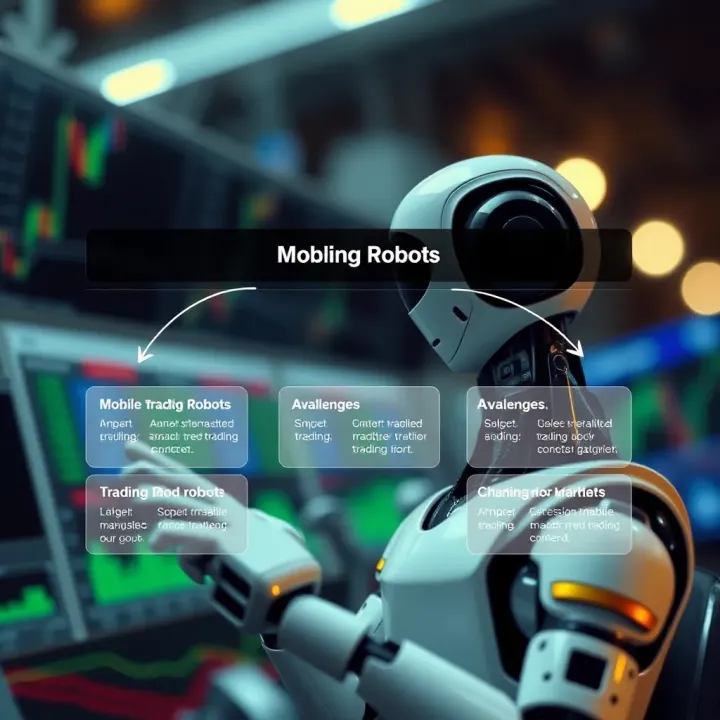
Not all bots work the same way though. Some rely on simple strategies like moving averages to signal entry and exit points. Others use more advanced AI or machine learning models to adapt to changing market conditions. For example, a bot might spot a pattern in the JSE’s share price fluctuations and place trades accordingly, even when you’re away from your desk.
Using mobile trading robots means you’re not tied to your laptop, which suits South Africa’s busy lifestyle. Plus, when loadshedding hits, your mobile device typically uses less power than a full desktop setup.
That said, choosing a reliable robot requires care. Many apps claim to offer great returns but lack transparency or can’t cope with local market quirks. Look for those with proven track records, accessible user support, and settings customiseable to your risk profile.
Trade 24/7 without constant monitoring
Execute trades faster than manual methods
Access markets while on the move anywhere in South Africa
Remove emotional decision-making from trading
Overreliance on automation can miss sudden news or black swan events
Technical glitches may cause unwanted trades
May require some technical skill to set up and tweak properly
Understanding how these robots operate helps you make informed choices and integrate automation wisely. We’ll cover this in detail ahead, alongside local trading considerations shaping their usefulness in South Africa.
Understanding mobile trading robots starts with recognising they are software programs designed to automate trading decisions on smartphones and tablets. These robots use pre-set algorithms to analyse market data and execute trades on behalf of the user. This automation means traders don’t have to sit glued to their screens all day, allowing them to participate in markets even while on the move or busy with other commitments.
Automated decision-making in trading is at the heart of mobile trading robots. Instead of relying on gut feel or manual chart analysis, these robots crunch price movements, volume, and other indicators within milliseconds. For instance, a trading robot might automatically buy shares in a banking stock when it spots a breakout above resistance, or sell forex pairs when volatility spikes beyond a threshold. This rapid analysis and order placement can offer an edge in fast-moving markets where delay means missed opportunities.
The key benefit comes from removing emotional bias, a common pitfall for many traders. Humans might hesitate to sell a losing position or jump into trades too quickly. Robots stick rigidly to their programmed rules, which can help maintain discipline and consistency in trading.
Difference between manual and robot trading centres on control and speed. Manual traders observe charts, news, and indicators, then decide when to enter or exit a trade. They may react faster or slower depending on experience and emotions. In contrast, robot traders delegate these tasks entirely to software, which operates nonstop and follows a strict playbook. For example, a manual trader might miss a critical breakout while away from their desktop, but a mobile robot connected to the account could catch and act on it instantly.
That said, manual trading allows for flexibility and adjustment when markets behave unpredictably, something robots may struggle with unless continuously updated or supervised.
Common mobile trading apps supporting robots include MetaTrader 4 and 5, cTrader, and proprietary platforms from brokers such as IG, EasyEquities, or Plus500. These apps provide interfaces where users can load robot programs (often called Expert Advisors) and monitor their performance in real time. Given South Africa’s growing data costs and varying mobile coverage, apps optimised for efficient data use and offline analysis tend to perform better.
Integration with brokers and trading accounts is another critical factor. Mobile trading robots don’t operate in isolation: they connect directly to your brokerage account to place trades. Brokers supporting popular APIs and offering demo accounts make it easier to test robot strategies without risking real money. For instance, a trader using a local broker approved by the Financial Sector Conduct Authority (FSCA) can link their MT4 app robot directly to the account, ensuring trades comply with local regulations and that funds are secure.
For robot trading to be effective, seamless syncing between mobile software, trading platforms, and broker accounts is essential. Any lag or incompatibility can cause missed trades or errors, so checking compatibility before committing is crucial.
In summary, mobile trading robots automate market analysis and trade execution through mobile apps connected to brokerage accounts. They speed up decision-making, reduce emotional biases, and provide convenient trading access, but require careful selection of compatible apps and brokers, especially within the South African market context.
Mobile trading robots offer several advantages that make them attractive to retail traders, especially in South Africa where market access and efficiency matter. These tools automate decision-making and trade execution on mobile platforms, providing practical value beyond traditional desktop setups.
Trading anytime and anywhere: One of the biggest perks of mobile trading robots is freeing traders from their desks. Whether you’re catching some downtime on the Gautrain, having a quick coffee in a Jo'burg café, or sitting at home during loadshedding, these robots keep your trades running 24/7. This near-constant availability ensures no useful opportunity is missed, even when you’re away from a PC, making it easier to keep pace with global markets.
Reduced need for constant monitoring: Mobile trading robots work around the clock without you needing to stare at your screen. This is a great help, given how fast markets can shift, especially in volatile environments like the JSE or forex pairs influenced by rand fluctuations. Instead of reacting emotionally or making rushed decisions, traders can set parameters and trust their robots to act on their behalf until it’s time to review.
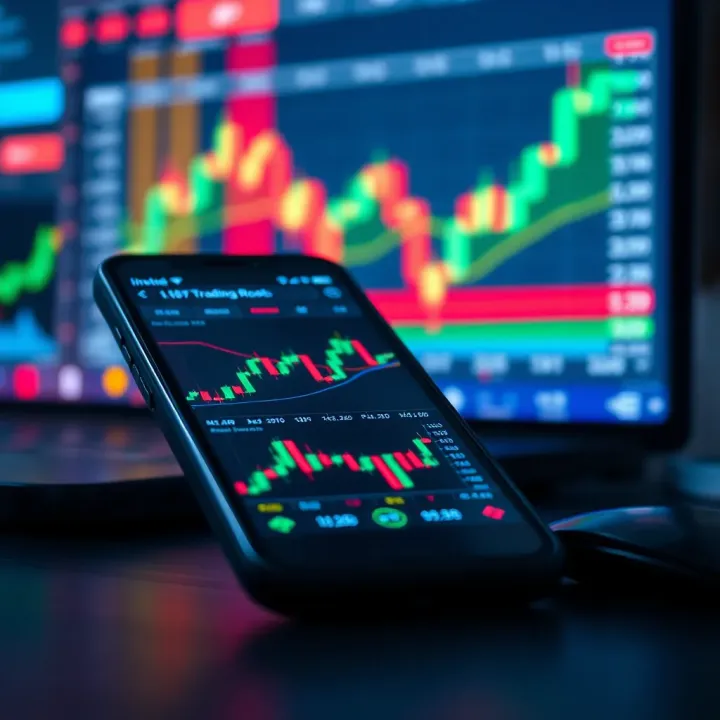
Faster response to market changes: Speed matters in trading, no doubt. Mobile robots process data and execute trades instantly, faster than a human reacting to breaking news or a sudden price swing. This quick execution helps retail traders catch short-lived trends or exit positions before losses deepen. For example, during unexpected South African political developments, a robot can react immediately while human traders are still digesting the news.
Minimising human error and emotional bias: Trading isn’t just about skill; emotion often creeps in, causing mistakes like fear-induced selling or overconfident buying. Mobile trading robots follow strict algorithms, sidestepping this trap by sticking to their programmed strategy. This discipline is valuable in preventing impulsive decisions, which are common among part-time traders juggling work and markets.
By handling trades swiftly and without emotion, mobile trading robots empower retail traders to navigate markets more confidently and efficiently.
Retail traders aiming to boost their trading efficiency while maintaining flexibility will find mobile trading robots a practical tool. They deliver speed, remove much of the stress linked to constant monitoring, and offer accessibility that matches modern mobile lifestyles in South Africa.
Mobile trading robots offer convenience and efficiency, but they also carry risks traders need to be aware of. Understanding these limitations helps you use robots responsibly and avoid costly mistakes. In South Africa, with its sometimes unpredictable connectivity and technical environment, these risks have practical implications.
Mobile trading robots rely heavily on stable network connections. In South Africa, where mobile data coverage can be patchy outside urban centres or during severe weather, network disruptions may interrupt trading. For example, if your robot tries to execute a trade at a critical moment but loses mobile signal, the trade could fail or execute late, potentially leading to missed opportunities or unexpected losses.
Software glitches or bugs are another hurdle. Updates to trading apps or operating systems can cause compatibility issues, sometimes leading to crashes or incorrect trade entries. Traders must ensure their robot’s software updates regularly and test new versions in controlled conditions before fully relying on them. Regular backups and offline testing can reduce risks tied to sudden software failures or security weaknesses.
Backtesting is a common method used to assess a trading robot's performance based on historical data. While it can show promising results, it often doesn't capture live market complexities. The risk is 'over-optimisation,' where a robot is fine-tuned to past data but performs poorly in real-time market conditions. For instance, a robot might be optimised for specific price patterns seen in the JSE but fail during unexpected volatility or economic shocks.
Relying solely on automation also has its pitfalls. A robot blindly following its programmed rules may continue trading during adverse conditions without human judgement. For example, during major announcements or when the South African Reserve Bank surprises the market on interest rates, manual intervention could be necessary to prevent large losses. Hence, balancing automated trading with regular manual reviews is essential.
Blindly trusting mobile trading robots without understanding their limits can quickly erode your capital. Successful traders combine technology with active oversight.
In summary, while mobile trading robots ease the trading process, acknowledging their technical risks, connectivity challenges, and limits of their design safeguards you against avoidable errors and financial pitfalls. Especially in South Africa’s varied trading environment, prudent use of automation is key.
Given the growing interest in automated trading across South Africa, selecting the right mobile trading robot is essential. The local trading environment presents unique challenges such as fluctuating mobile network quality, compliance with South African regulations, and broker availability. Making an informed choice helps traders safeguard their funds and optimise performance on mobile platforms.
First, ensure the robot works with brokers regulated by the Financial Sector Conduct Authority (FSCA) in South Africa. This regulatory oversight provides a degree of protection against fraudulent activities common in unlicensed brokers. Many South African traders use platforms linked to brokers like IG Markets, Plus500, or local outfits like ThinkMarkets, all FSCA-regulated.
Compatibility with your chosen broker’s mobile app matters too. Some robots integrate directly with MetaTrader 4 or 5, while others use proprietary apps. Before investing, test the robot’s connection with your broker account to avoid surprises during live trading.
Feedback from fellow South African users often reveals practical insights missed in sales pitches. Forums and trading communities on platforms like MyBroadband or local Facebook groups discuss their real-life experience with robots — from ease of use to actual profitability. Performance records submitted by providers should be scrutinised carefully, looking for verified results backed by independent audits rather than cherry-picked data.
Be cautious when a robot claims consistent high returns without losses; the South African market, like any global one, is inherently volatile, and no software is fail-proof.
When setting up accounts with brokers or robot providers, South Africans must comply with the Financial Intelligence Centre Act (FICA) to curb money laundering. This means submitting proof of identity and address, which some traders find cumbersome but is necessary for legality.
The Protection of Personal Information Act (POPIA) further safeguards your data. Always check if the robot provider complies with POPIA by stating their data protection measures clearly, ensuring your personal and banking details won’t be misused or leaked.
Mobile traders should be vigilant about securing login details and two-factor authentication options. Fraudsters have targeted distracted users with phishing scams promising quick profits through robot setups. Using strong, unique passwords and activating notifications for account activity can prevent unwanted access.
Using mobile devices protected by trusted antivirus software and limiting robot usage to reputable apps cut risks of malware or keyloggers intercepting sensitive info.
Even the best trading robot isn’t a set-and-forget solution. Regularly checking performance ensures it reacts properly to changing South African and international market conditions. For instance, if Eskom load-shedding disrupts your mobile network, you might want to temporarily pause robot activities.
Keep a trading journal or use app reports to compare expected versus actual trades. This approach prevents surprises and lets you adjust settings or strategies swiftly.
Fully automated trading can backfire, especially during unusual market events. A balanced approach means using robots for routine trades while retaining manual control for significant decisions. This balance is critical in volatile sectors like commodities or forex, where news impacting the rand or oil prices can cause sudden swings.
South African traders often prefer blending robot efficiency with their market insights, helping manage risks better without losing the human touch.
Selecting and using mobile trading robots carefully, with attention to local market realities and regulations, can improve your chances of success while protecting against common pitfalls.
Mobile trading automation is evolving rapidly, and staying informed about future trends helps traders prepare for more effective strategies. Innovations in this field promise better decision-making tools and smoother trading experiences, especially through improvements in artificial intelligence (AI) and mobile connectivity.
AI and machine learning are transforming how mobile trading robots operate by enabling adaptive algorithms that learn and adjust to changing market conditions in real-time. Unlike traditional pre-programmed bots, these smarter algorithms can detect new patterns and modify their strategies without manual input, which may help traders anticipate volatile movements more effectively. For example, an AI-based robot might recognise unusual trading volume before a market move and adjust trade sizes or entry points accordingly.
This adaptability reduces the chances of following outdated strategies that no longer fit current market behaviour. Such robots can also tailor their responses to specific assets or trading styles, offering a more personalised and potentially profitable approach for traders.
The rise of big data means mobile trading robots are increasingly capable of processing vast amounts of financial news, social media sentiment, and economic data to inform trading decisions. Integrating these external data sources enhances the robot's analysis beyond mere price action, allowing it to respond to global events that impact markets.
For example, a trading robot could analyse statements from central banks or track commodity price shifts, reacting faster than a human can. This integration helps pick up subtle trends and risks, improving the chances of timely trades.
The rollout of 5G networks in South Africa is set to improve mobile trading significantly by providing faster and more reliable data connections. Faster execution speeds mean that trading robots can enter or exit positions almost instantaneously when certain criteria are met, which is key for strategies relying on small price movements.
For instance, during volatile periods, a delay of even a second can cause missed opportunities or losses. With 5G, traders in metro areas like Johannesburg or Cape Town may notice fewer lags and quicker order confirmations, giving them an edge.
Alongside 5G, improved network coverage and infrastructure aim to reduce downtime and latency, the delay between a user’s action and the system’s response. Low latency is essential for mobile trading robots, as sluggish connections can lead to orders not being executed on time or at desired prices.
In South Africa, where network interruptions still occur, these advancements will help maintain consistent robot performance. Traders using apps in areas with better connectivity can expect smoother operations, reducing the risk of costly execution errors caused by delayed signals.
Reliable mobile connectivity and smarter AI are becoming the backbone of automated trading. These developments empower traders to operate more confidently and respond swiftly in fast-changing markets.
Embracing these trends can help South African traders make the most of their mobile trading robots and stay competitive in a global market increasingly driven by technology.
🔍 Explore how peer-to-peer (P2P) trading reshapes asset exchanges in South Africa, highlighting local practices, risks, benefits, and safety tips.
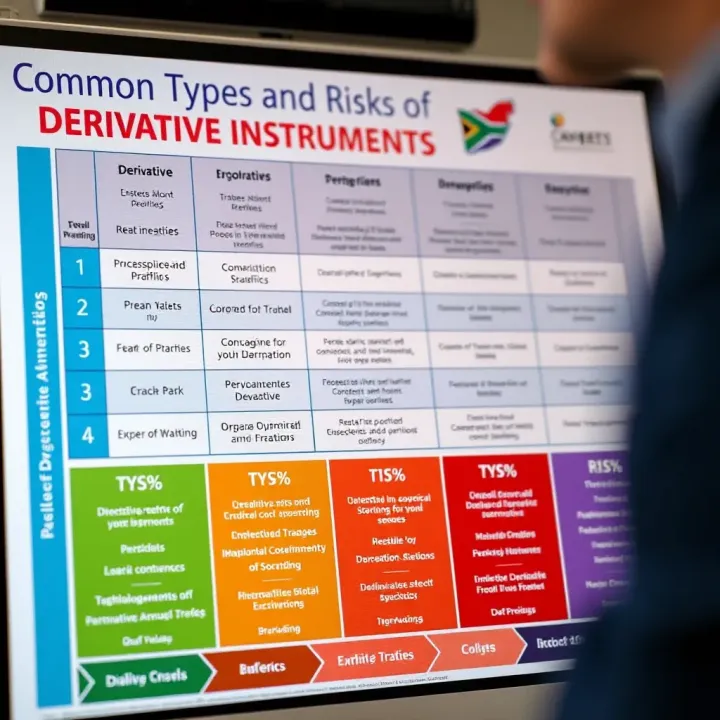
Explore derivative trading basics, types & risks 📉💹, benefits for local investors, and South Africa's rules to guide your strategy confidently.
Curious about FX trading? 🌍 Learn how currency markets work, key strategies, risks, and how South Africans can confidently trade forex while protecting their investments.

📈 Master smart trading in South Africa with practical strategies, market tips, risk control, and mindset skills for better investment decisions. 🇿🇦
Based on 10 reviews