
Mobile Trading Apps for South African Investors
📱 Discover how mobile trading apps let South African investors buy shares, manage portfolios, and trade safely on the move — tips and key features included.
Edited By
Emily Thompson
Mobile trading has reshaped how South Africans connect with the markets. Where investing once meant hours at a desktop or broker’s office, today you can buy, sell, and track shares from your mobile device – even while waiting in a robot queue or during a quick break at work.
This transformation means you are no longer tied to a single location or limited by office hours. Instead, you get real-time access to the Johannesburg Stock Exchange (JSE), local unit trusts, and even certain offshore assets through various apps tailored for South African investors. The convenience is clear, but it also demands attention to detail and security.

Staying connected to your investments through mobile platforms offers agility, but only when you choose trustworthy apps and remain vigilant against potential fraud.
Most mobile trading platforms available in South Africa, like EasyEquities, Standard Bank Web Trader, or FNB Securities, offer user-friendly interfaces designed to suit both beginners and experienced traders. They come equipped with real-time price updates, charting tools, news feeds, and instant transaction capabilities. These features enable investors to respond swiftly to market moves or adjust portfolios on the fly.
However, making the most of mobile trading includes understanding the unique risks it carries. Public Wi-Fi, outdated apps, or weak passwords can expose your account to hackers. It’s advisable to use strong, unique passwords, enable two-factor authentication, and periodically update your trading apps.
Plus, you need to consider data costs and coverage. While Gauteng and Cape Town generally enjoy reliable mobile networks, rural areas sometimes struggle with signal stability. This can affect trade execution speed or access during critical market moments.
In sessions that follow, we'll explore how to select the right platform, safeguard your data, and apply practical strategies that suit South African market conditions. Whether you’re juggling investing alongside a busy day job or aiming to grow a retirement nest egg digitally, mobile trading lets you keep your finger on the market pulse wherever you are.
With a bit of know-how and caution, your mobile can become a powerful tool to manage investments efficiently and confidently.
Mobile trading has become a game-changer for South African investors, offering convenience and speed that traditional trading struggles to match. Understanding what mobile trading involves and why it’s so popular locally helps investors decide how to fit it into their broader investment plans.
Simply put, mobile trading lets you buy and sell financial assets through an app on your smartphone or tablet. South Africans no longer need to be tied to desktop platforms or phone brokers; instead, trades can be executed anytime, anywhere with just a few taps. This accessibility is especially useful for managing shares listed on the Johannesburg Stock Exchange (JSE) or tracking forex and commodities markets.
The main difference from traditional trading lies in immediacy and ease of use. Traditional trading involved more time-consuming processes, sometimes requiring calls to brokers or waiting until you reached a desktop. Mobile trading apps streamline this by providing instant access to live prices, market news, and portfolio updates on one device. For example, a trader monitoring Sasol’s share price during the day can react quickly to shifts caused by oil price movements without delay.
One major factor is the broad reach of smartphones combined with improving data coverage, even in less urban areas. Many South Africans own reasonably powerful devices capable of running trading apps smoothly. Affordable data bundles from providers like Vodacom, MTN, and Rain allow investors to stay connected to markets without burning through their budgets.
Another draw is the flexibility mobile trading offers for busy lives. Whether you’re a corporate worker squeezing in trades during lunch or a small business owner keeping an eye on investments between appointments, mobile platforms fit well into hectic schedules. Unlike lengthy desktop sessions, mobile trading can happen quickly and securely on the go — a handy feature for those juggling multiple responsibilities.
Loadshedding complicates this picture, but mobile trading adapts by letting users trade when power is available. Many traders now keep power banks or inverters handy to ensure their devices stay online during outages. Some apps also store user data offline temporarily, allowing pending orders to sync once the connection returns. This resilience means investors don’t miss vital market moves just because Eskom cut the power.
Efficient mobile trading can turn downtime during loadshedding into opportunity, provided you prepare with the right tools and apps.
By grasping these elements — what mobile trading is and why it fits South Africa’s conditions — investors gain a solid foundation to make the most of today’s digital trading landscape.
Picking the right mobile trading platform is a solid step towards smarter investing on the go. It’s not just about having an app; the platform needs to match your trading style, budget, and local context. South African investors face unique challenges like data costs and loadshedding, so the platform’s reliability and features become key to managing trades effectively anytime.
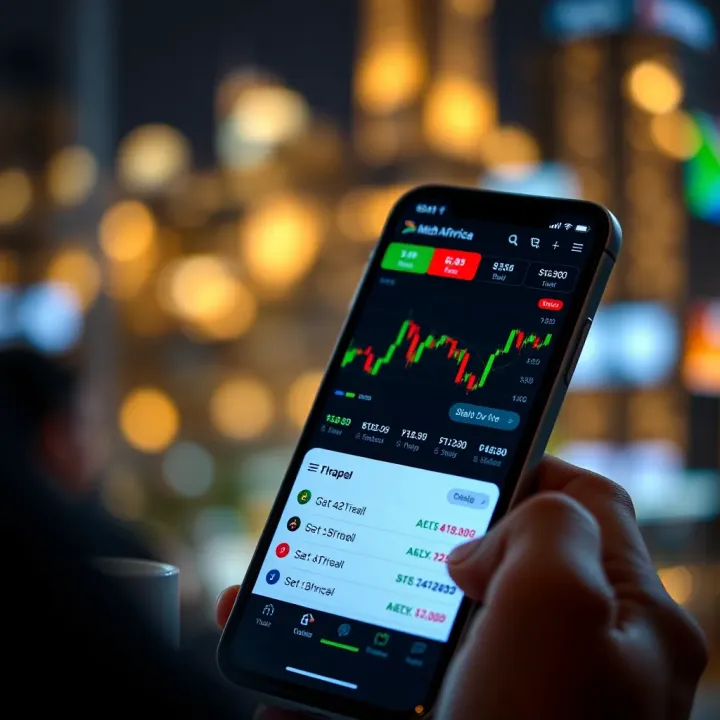
South African platforms such as EasyEquities, Standard Bank Online Share Trading, and FNB Share Investing cater well to local users. EasyEquities, for instance, is popular among beginners because it offers fractional shares and low fees, making it easier to start small. Meanwhile, Standard Bank’s platform integrates neatly with your bank accounts, simplifying fund transfers for trades. When evaluating these, consider not only user-friendliness but also aspects like how quickly they reflect local market trading hours.
International brokers like eToro or Interactive Brokers offer a wider range of global instruments but may have higher costs or less tailored support for South African investors. Choosing between local and international options depends on whether you want exposure to the JSE only or global markets too. Both have pros and cons, so weigh up currency conversion fees, ease of deposit and withdrawal, as well as regulatory protections.
Costs, user interface, and available instruments vary widely. Local platforms generally have lower fees—EasyEquities, for example, charges a flat R5 brokerage on local trades. International brokers might charge percentage-based fees or account minimums. The user interface should feel intuitive, especially on mobile, so you don’t waste time navigating complicated menus when markets move fast. Look for simple layouts and quick access to order placement.
Availability of instruments matters too. If you want to trade only South African shares, a local platform is sufficient. But if you’re eyeing ETFs listed on the NYSE or forex, an international broker is necessary. Be mindful of trade times and tax implications of foreign investments.
Real-time price updates and charts are non-negotiable. Markets fluctuate rapidly, so if your app updates prices with delay or requires constant refreshing, you might miss a crucial moment to buy or sell. Most good South African platforms provide live price ticks during market hours. Look for apps that also offer interactive charts letting you zoom into daily or intraday trends.
Easy order placement and management keep stress low during trading hours. You want your trades to go through with minimal taps and clear confirmation. Features like customizable order types (market orders, limit orders) can help you act precisely according to your plan. Also, a well-designed portfolio tracker helps monitor your holdings and performance without juggling spreadsheets.
Research tools and news integration within the app add real value, especially for more active traders. Having quick access to company announcements, analyst ratings, or market news from sources such as Business Day or Moneyweb can sharpen your decisions. Some apps even send news alerts or market summaries tailored to your watchlist, helping you stay informed while avoiding information overload.
When choosing a mobile trading platform, the goal is to find one that fits your investing habits and local realities. Look beyond just cost—ease of use, speed, and smart features make a world of difference when trading from your phone.
Mobile trading puts the stock market at your fingertips but also opens doors to specific security and privacy risks. Protecting your account details and personal data is not just prudent — it’s essential to prevent costly breaches or identity theft. In South Africa, where digital scams and phishing are on the rise, understanding these risks helps you stay one step ahead and trade with confidence.
Strong passwords form the first line of defence for your mobile trading account. Avoid obvious choices like "password123" or your birthday, and instead use a mix of upper and lowercase letters, numbers, and symbols. A password manager can help keep these complex passwords organised. More importantly, always enable two-factor authentication (2FA) where possible. This adds an extra layer of security by requiring a second verification step, such as a code sent to your mobile or an authentication app like Google Authenticator. It’s a simple step that greatly reduces the chances of unauthorised access, especially if your password is compromised.
Mobile trading apps often request access to your camera, contacts, or location. Be cautious with these permissions and grant only what the app truly needs. For example, a trading app usually doesn't need access to your contacts or camera unless for identity verification. Also, always use secure, private networks rather than public Wi-Fi when logging into your trading account. Public hotspots can be targeted by cybercriminals to intercept sensitive information. If you have to trade on the go, consider using a virtual private network (VPN) to encrypt your data.
Phishing is a common scam where criminals impersonate legitimate organisations, including brokers, to steal your login details or personal data. South African traders should be wary of emails or SMS messages that urge immediate action, like "Your account will be closed unless you verify now." Genuine brokers usually send notifications through their official apps, not random emails or WhatsApp messages. Always check the sender’s email or cellphone number closely and never click on suspicious links. When in doubt, go directly to the official trading platform rather than using links embedded in messages.
Several apps and platforms claim to offer quick gains or “insider tips” but lack proper regulation by bodies like the Financial Sector Conduct Authority (FSCA). Using unregulated apps exposes you to fraud, loss of funds, or data theft. Stick with reputable South African brokers such as EasyEquities, SatrixNOW, or international platforms with FSCA approval. Be sceptical of offers promising guaranteed profits or asking for large upfront payments.
Never compromise your account information or download apps outside official app stores. A cautious approach to security pays off in protecting your investments and peace of mind.
Mobile trading offers South Africans the convenience of managing investments anywhere, anytime. However, success in this space depends heavily on practical habits and smart use of available tools. Keeping a steady hand, planning carefully, and managing information flow prevents common pitfalls like impulsive trades or missed opportunities.
Setting realistic goals is the foundation of any effective trading approach. Rather than aiming for unrealistic overnight gains, set achievable targets based on your capital, risk tolerance, and market conditions. For example, an investor with R50,000 might aim for modest monthly returns of 2-3% instead of chasing double-digit profits that often come with higher risk. Realistic goals help you stay grounded and prevent frustration that might lead to rash decisions.
Sticking to a trading strategy builds discipline that pays off in the long run. Whether you favour trend following, value investing, or short-term trades, consistency in applying your approach matters. Changing strategies every time the market jitters is like changing braai recipes mid-cooking — you rarely get the desired result. Keeping to your strategy also means defining stop-loss limits and taking profits systematically, so you protect capital and lock in gains rather than falling victim to emotions.
Using push notifications wisely can keep you a step ahead without overwhelming your attention. Most trading apps allow custom alerts on price movements, volume spikes, or news updates. For instance, setting alerts for shares on the JSE you follow lets you react quickly to sudden shifts without constantly checking the app. However, indiscriminate alerts can cause distraction and lead to impulsive decisions. It’s best to tailor notifications to your strategy and ignore noise.
Staying updated without overtrading is crucial in mobile trading. Continuous market information is a double-edged sword — while it provides insight, excessive trading due to constant updates can erode returns through fees and poor timing. For example, a day trader in Gauteng might watch the market closely but still needs breaks to reassess instead of chasing every tick. Successful traders balance awareness with patience, ensuring each trade aligns with their plan rather than reacting to every beep or buzz.
Discipline and clear goals shape profitable mobile trading. Use alerts to your advantage but avoid information overload leading to rash moves.
By planning carefully, following a coherent strategy, and handling market information smartly, South African investors can harness mobile trading benefits without falling prey to common traps. Whether trading from a robot stop or during a braai, these tips keep you on track and in control.
Mobile trading offers great convenience and immediacy, but it should not stand alone as your sole investment method. Balancing it with longer-term strategies and professional advice helps manage risks and achieve better returns overall. Mobile platforms excel for swift market reactions and active trading, yet other approaches provide stability and depth that complement short-term moves.
Active trading thrives on mobile platforms because it demands quick decision-making and constant market engagement. If you're a day trader or focused on short-term opportunities in stocks, forex, or commodities, mobile trading keeps you connected anywhere. For instance, catching sudden shifts during local market openings or responding to currency fluctuations as they happen can add value.
In contrast, long-term investing suits those prioritising steady portfolio growth through shares, exchange-traded funds (ETFs), or property stocks held over years. Mobile trading tools can support this by offering portfolio monitoring and alerts but relying solely on mobile for buy-and-hold approaches risks overtrading or reacting emotionally to short-term swings.
Risk tolerance also shapes whether mobile trading fits your style. If you're comfortable with volatility, have the time and mindset for frequent trades, and understand market mechanics, mobile trading reflects your needs well. Conversely, if you prefer less frequent adjustments and a calmer investment journey, then combining mobile tools with more traditional strategies may be wiser.
Knowing when to seek professional guidance can prevent costly mistakes, especially during market turbulence or as your portfolio grows complex. Financial advisers can provide insights beyond raw data, like factoring tax considerations (such as capital gains tax or dividends tax applicable in South Africa), ensuring compliance with rules from bodies like the FSCA, or tailoring advice to your life stage.
You do not lose control by consulting experts; instead, advisory services can complement mobile trading apps. Many platforms integrate research reports, risk assessment tools, and chat support, which enhance decision-making. For example, using a broker’s app alongside scheduled consultations with your financial planner ensures both immediacy and well-rounded strategy.
Balancing mobile trading with other investment methods and expert advice builds a resilient portfolio that adapts to both fast markets and long-term goals.
Through this balanced approach, South African investors can adapt to the country's unique market conditions, such as the impacts of loadshedding or currency fluctuations, while still grabbing opportunities on the go. The key lies in knowing when to trade quickly and when to step back and plan with broader perspective.
📱 Discover how mobile trading apps let South African investors buy shares, manage portfolios, and trade safely on the move — tips and key features included.
💡 Learn how CFDs let South African investors trade asset prices without ownership, exploring strategies, risks, and local rules for smarter decisions in volatile markets.

Discover how robot trading works in South Africa 📈 Explore key strategies, risks, and tips to choose and use automated trading systems effectively 🤖💰

🤖 Discover how robot trading apps help South African investors automate buying and selling with smart algorithms. Learn pros, cons, top platforms, and tips!
Based on 11 reviews