

Best Trading Bots for South African Investors
🤖 Explore top trading bots for South African investors, learn to pick reliable options, manage risks, and navigate local regulations for safer automated trading.
Edited By
Liam Richardson
Forex trading bots have been gaining traction among South African traders looking to automate their currency trading strategies. These software programs execute trades on your behalf based on predefined rules and market analysis, often faster and more consistently than a human could.
Bots can continuously monitor the forex market 24/7, which is particularly useful given the global nature of currency trading. For instance, while you're catching some shuteye in Johannesburg, the markets in Asia or Europe keep moving. A trading bot ensures you're not missing out on opportunities simply because you're offline.

To work effectively, these bots rely on algorithms that analyse market data like price trends, volume, and volatility. They can be programmed for different approaches — such as scalping, trend following, or arbitrage — depending on your preferred trading style.
South African traders should consider factors like local broker compatibility and access to reliable data feeds before selecting a bot. Not all trading bots support every broker, so it's wise to verify integration with platforms like IG, Plus500, or HotForex, which are popular locally.
Using a forex trading bot doesn’t mean you can set it and forget it. Markets can change suddenly due to political events or economic reports, especially in volatile emerging markets like South Africa, so regular monitoring and adjustments remain essential.
When choosing a bot, look for key features:
Customisable strategies: Ability to tailor the trading rules to your risk tolerance.
Backtesting: Capability to test strategies against historical data to estimate performance.
Risk management tools: Stop-loss and take-profit settings to limit losses.
By understanding how these bots operate and what to expect, South African traders can make informed decisions and improve their chances of trading successfully in the fast-moving forex market.
Understanding how forex trading bots operate is vital for traders keen to use automation effectively. These bots remove the need for constant manual monitoring, allowing you to tap into opportunities at any hour—even when you’re off the computer or dealing with loadshedding interruptions. Given the volatile forex market, especially for South Africans trading currencies like the ZAR against the USD or EUR, grasping the inner workings of these bots helps in setting realistic expectations and managing risks.
Algorithms and pre-set trading rules form the backbone of any trading bot. In simple terms, these are coded instructions that tell the bot when to buy or sell based on market conditions. For example, a bot might be programmed to enter a trade if the 50-day moving average crosses above the 200-day moving average, signalling an upward trend. Setting these clear rules ensures the bot acts consistently without emotions clouding decisions—a key edge for many traders.
Moving on to market data analysis, bots scan real-time forex data such as price movements, volume, and volatility to identify trading signals. Imagine a scalping bot monitoring the EUR/ZAR minute chart looking for tiny price fluctuations it can exploit. This rapid data processing allows bots to react quicker than humans, capturing gains from brief swings that might otherwise be missed.
Lastly, trade execution without human intervention means the bot places trades automatically once conditions match the algorithm's criteria. This removes delays common when entering trades manually, especially in fast-moving markets. For South African traders coping with slow internet or mobile data constraints, this promise of speed can be a major benefit—but only if paired with reliable connectivity.
Trend following bots stick with established market directions. They buy when prices show upward momentum and sell when downward trends appear. This approach fits well in trending markets but may struggle during sideways or choppy price action. For instance, a bot following the USD/ZAR daily trend might hold trades longer, aiming to ride larger moves from macroeconomic news.
On the other hand, scalping bots seek to profit from many small price changes by entering and exiting trades within minutes or even seconds. Given the frequency and speed scalping demands, bots handle these trades more efficiently than humans. Scalping bots require tight spreads and low trading costs, which makes choosing a compatible South African broker crucial.
Arbitrage bots take advantage of price differences between multiple markets or brokers. For example, if the GBP/ZAR pair trades at a slightly different price on two platforms, the bot buys low on one and sells high on the other, locking in risk-free profits. However, these opportunities tend to disappear quickly and need sophisticated infrastructure to execute effectively.
When picking between customisable and ready-made bots, consider your trading style and technical skills. Ready-made bots are pre-set with fixed strategies, ideal for beginners or those wanting quick deployment. Customisable bots let you tailor rules and indicators, offering flexibility to backtest and refine strategies. South African traders who understand their unique market conditions may prefer custom bots to adjust for local volatility and broker-specific spreads.
Automated forex trading isn’t a magic bullet—it requires understanding the bot’s strategy, how it handles data, and when it executes trades. Being informed helps traders make smarter choices and avoid unnecessary losses.
Using forex trading bots comes with both benefits and risks that every South African trader should weigh carefully. While these automated tools promise efficiency and quicker responses in the fast-moving currency markets, they also bring challenges that can affect trading outcomes. Understanding these pros and cons helps traders make smarter decisions and avoid costly mistakes.
Forex markets operate around the clock, but South African traders often find it tricky to keep up given time differences with major financial centres like London and New York. Trading bots can monitor market movements and execute trades at all hours, even during the night when traders are off their computers. For example, if the US dollar suddenly jumps while you're asleep, a bot can react immediately instead of you waking up to missed opportunities. This continuous coverage is especially useful during busy news periods when currency values can shift rapidly.
Human traders sometimes let emotions like fear or greed influence their choices, causing hesitation or rash decisions. Bots stick strictly to pre-programmed strategies, removing the chance of panic-selling or chasing losses. For instance, a bot will execute a sell order once a stop-loss level is hit without second-guessing, preventing emotional overtrading. This disciplined approach can help South Africans avoid common pitfalls that often erode profits.
Speed is vital in forex trading since even seconds can change profit or loss margins. Bots react instantly to market signals and execute trades without delays, which manual trading can’t match. In volatile conditions, this rapid execution can lock in favourable prices that traders might miss when reacting manually. South African traders using bots may find better price entries and exits, especially during high-impact economic announcements.

Bots depend entirely on software and stable internet connections. A glitch in the code or a sudden loss of connectivity can disrupt trading and result in unexpected losses. For example, if a bot crashes during a volatile market session, it might miss critical trades or execute incorrect orders. South Africans should ensure reliable hardware, test bots extensively on demo accounts, and stay ready to intervene when necessary.
No bot works perfectly under all market scenarios. Bots designed for trending markets may perform poorly during sideways or choppy conditions, leading to repeated small losses. If the bot’s strategy doesn’t adapt to sudden shifts or unexpected events like geopolitical tensions, traders can suffer. Take the Eskom load shedding announcements, which sometimes cause sharp currency fluctuations that standard bots may not handle well.
Relying entirely on bots without proper monitoring creates risks because automated systems can’t consider broader market contexts or news beyond preset rules. Some traders assume bots are foolproof and neglect regular performance reviews or updates. This oversight neglect can lead to compounding losses or missed adjustments to changing market dynamics. A healthy balance between automated trading and human judgement is essential to manage these risks.
Trading bots offer practical advantages like continuous market coverage and emotion-free decisions, but South African traders must remain vigilant about technical issues and market changes to avoid costly pitfalls.
Selecting the right forex trading bot matters greatly, especially for South African traders navigating unique market conditions and broker options. A well-chosen bot can boost efficiency, provide 24/7 monitoring without burnout, and fit seamlessly into your trading strategy and local regulations. Poor choices, meanwhile, risk financial losses, frustration, and vulnerabilities.
Look for bots that have demonstrated consistent performance over time, backed up by verifiable user reviews—preferably from South African traders or sources within the country. A trading bot with a solid history decreases the guesswork; it’s not just a shiny new tool but one that has weathered different market conditions. For example, a bot reviewed on local forums or trading platforms with positive feedback about handling Rand-Dollar (ZAR-USD) volatility holds more trustworthiness.
User reviews help uncover practical insights, like how well the bot handles slippage during volatile sessions or if customer support actually responds promptly. Be wary of tools with rave reviews but no detailed user experiences—this might indicate fake or sponsored feedback.
The market shifts all the time, so rigid bots that run one simple strategy might quickly become obsolete. South African traders should favour bots that let you customise trading strategies or tweak parameters like stop-loss levels, trade volume, or currency pairs. This flexibility is key if you want a bot that adapts as you gain experience or as the market evolves.
For instance, some bots allow you to switch between trend-following or scalping strategies depending on market momentum. This way, you avoid being stuck with one approach when conditions demand a different tactic. Being able to backtest your settings using local market data is a bonus.
Not all bots play nicely with South African brokers or trading platforms, so compatibility is a must-check. South African traders often use platforms like MetaTrader 4, MetaTrader 5, or broker-specific web interfaces offered by local players such as Plus500 South Africa, IG South Africa, or FXTM.
Choose bots that clearly support these platforms and, crucially, the brokers you intend to trade with. A bot incompatible with your broker might cause delayed order executions or failed trades, which could erode profits or increase risk. Also, look for bots that comply with local brokerage conditions and RICA data security standards.
While free forex trading bots may sound tempting, they generally come with limitations—older algorithms, fewer features, and less support. South African traders often find paid bots provide better reliability and tailored features that free versions lack. For example, a bot costing a few hundred Rand might offer superior risk management, ongoing updates, and customer service justifying the expense.
That said, starting with a reputable free bot in a demo account can help familiarise yourself with automated trading without risking capital.
Forex bots usually come either with one-off fees or subscription models. One-time purchases can give peace of mind with full ownership, but updates or support might stop after a while. Subscription plans typically provide ongoing updates, access to new features, and priority support, albeit at recurring costs.
For South African traders, subscription bots with monthly fees of around R300–R800 are common. It’s important to calculate if the bot’s trades generate returns exceeding these fees. One-time fee bots priced between R2,000 and R6,000 are also popular for longer-term use.
Bots offering trial periods give you a risk-free window to test features and compatibility with your broker. This is especially useful in South Africa where forex conditions may vary widely from other markets. Look for bots with at least a 7-day trial or money-back guarantees.
Refund policies are crucial because some bots might promise excellent results but fail on delivery or have hidden technical quirks. A clear refund process protects your investment and holds providers accountable.
Starting with a bot that offers trial access and straightforward refund terms can save South African traders from costly mistakes and help find the best fit for their trading goals.
Choosing wisely means balancing features, cost, and local market fit. Keep these points in mind, test thoroughly, and stay alert to what actual users say — your selection could make all the difference in your forex trading journey.
Using forex trading bots can make currency trading more efficient, but practising safety and caution is key to avoid costly mistakes. Mainly for South African traders, ensuring your bot operates within realistic limits and proper security measures can protect your capital and maintain steady performance.
Market volatility refers to how much and how quickly currency prices change over time. Forex markets, including the South African rand pairs, can swing sharply due to economic news, geopolitical tensions, or even Eskom loadshedding concerns impacting investor sentiment. Bots don’t predict the future—they follow programmed rules responding to price movement and market data. Accepting that losses and fluctuating returns are part of trading helps prevent putting too much faith in any automated tool.
Managing risk with stop-loss settings is a straightforward way to limit potential losses. A stop-loss order automatically closes a trade when a currency’s price hits a specific level, preventing the bot from losing more than you can afford. For instance, if the rand-dollar pair suddenly dips due to a surprise interest rate decision by SARB, a stop-loss can protect your funds by exiting the trade early. South African traders should consider tight stop-losses during major economic events that can cause rapid price shifts.
Balancing automated trades with manual oversight means keeping a close eye on your bot's activity. While bots execute trades swiftly, human experience remains essential. For example, if the bot’s algorithm doesn’t factor in local market nuances or upcoming political uncertainty, a trader might pause bot operations or manually intervene. This mix helps avoid blind reliance on software and adapts strategies as conditions evolve.
Protecting login credentials and API keys is fundamental to prevent unauthorised access. South African traders should store this sensitive data securely, using password managers or encrypted files. Sharing API keys with third parties can expose accounts to hacking, risking financial loss. Regularly changing passwords and enabling two-factor authentication adds another security layer.
Aligning with South African financial regulations means using bots that comply with the Financial Sector Conduct Authority (FSCA) rules and other relevant bodies. Forex brokers operating locally are subject to consumer protection laws and must offer transparent terms. Traders should avoid unregulated providers, as scams can involve fake bots promising unrealistic returns. Ensuring compliance protects you from legal trouble and fraudulent schemes.
Backing up bot configurations is a simple but often overlooked practice. Custom strategies, risk parameters, and settings saved in a backup allow for quick recovery if software glitches or device failures occur. For example, if your computer crashes mid-trade, having a backup means you can restore bot behaviour without starting from scratch. South African traders might back up settings on cloud platforms or external drives with encryption to keep data safe.
Remember, no bot guarantees profits. Carefully balancing automation with caution and security is the best way to navigate the forex market, especially in a fast-changing environment like South Africa's.
By following these best practices, you reduce the chances of unexpected losses and misuse while making the most of the advantages forex trading bots offer. Always keep an eye on your trading and maintain control—even when automation handles much of the work.
Attempting to automate forex trading is no walk in the park. Despite their appeal, trading bots come with challenges that can trip up even seasoned South African traders. Understanding these common pitfalls lets you stay on top of your game and avoid costly mistakes. This section addresses technical hiccups and behavioural traps so you can trade smarter, not harder.
A spotty internet connection can cripple a forex trading bot’s effectiveness. Bots rely on real-time data streams from brokers to spot market movements and execute orders swiftly. Even a few seconds of downtime or lag could cause missed trades or unintended losses. South African traders often face infrastructure challenges outside major cities, making reliable connectivity vital.
To combat this, consider a backup internet source such as a mobile data connection or fibre with guaranteed uptime. Using VPS (Virtual Private Server) hosting near your broker’s servers can also reduce delays caused by geographical distance. Similar to how a bakkie needs good tyres to traverse rough terrain, your bot needs stable and fast internet to navigate the forex market.
Forex bots require continuous maintenance. Developers release updates to fix bugs, improve algorithms, and align with broker platform changes. Failing to install updates can expose you to glitches or outdated strategies that no longer perform.
Make it a habit to check for software updates regularly. For example, some local brokers like IG or Sasfin occasionally adjust their API interfaces—bots not updated might malfunction during trades. Ignoring updates is like driving a car without servicing; it might run at first, but eventually, something will break down.
Jumping straight into live trading is risky, especially when using automated systems. Demo accounts offered by brokers simulate real market conditions without risking actual funds. Testing your bots here reveals how strategies behave under different volatility, spreads, and market news.
By trialling in a demo setting, you gain confidence and discover configuration errors before they cost you real Rands. It’s akin to rehearsing your braai skills before hosting a big family get-together – better to find out early how to adjust the heat, so the wors doesn’t burn.
If a bot promises 100% monthly returns with zero risk, it’s wise to be sceptical. Forex trading involves uncertainties; no bot can guarantee consistent profits without losses. Scammers exploit this, pushing bots with flashy success stories to lure inexperienced traders.
Vet claims critically by asking for verified performance records and user feedback. Remember, if something sounds too good to be true, it probably is. Many South African traders have learned this the hard way when dubious bots wiped their accounts.
Automated trading tools are not set-and-forget solutions. Market events like unexpected news or high volatility require human judgment to adjust, pause, or stop bots. Overreliance on automation can blindside you during these times, leading to rapid losses.
Daily monitoring and occasional manual intervention should complement your bot’s activity. Think of bots as valuable assistants who need supervision—just like you wouldn’t leave a toddler alone at the robot-controlled playground.
Before installing any software, dig into the reputation of the bot developer and vendor. Check forums like MyBroadband or local Facebook trading groups for user experiences. Are there complaints about withdrawal issues or poor support? Has the company been around long enough to demonstrate credibility?
Due diligence also means understanding the bot’s strategy and the risks involved. Even trusted providers differ widely in quality and service. By researching thoroughly, you avoid scams and align with bots that suit your trading style and the South African market context.
Staying alert to challenges while arming yourself with practical solutions lets you use forex trading bots effectively — avoiding technical pitfalls and shady offers keeps your trading journey on the right track.
🤖 Explore top trading bots for South African investors, learn to pick reliable options, manage risks, and navigate local regulations for safer automated trading.
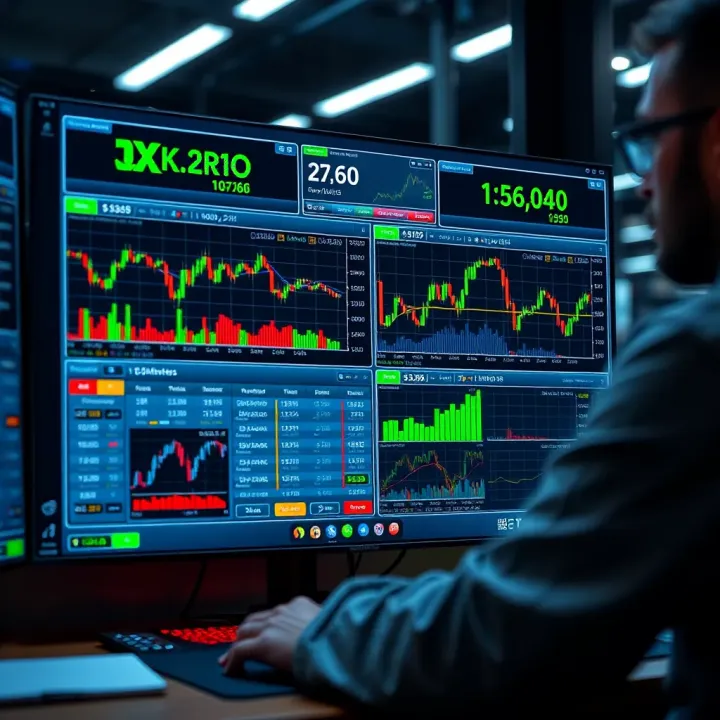
Explore QXBroker's platform, regulation, account types, and trading tools designed for South African traders. Make informed decisions with trusted insights 📊🌍

🔍 Explore Binary.com from a South African perspective! Learn its features, trading options, safety tips, and how to trade smartly with Rand investments. 📈

🤖 Discover how AI trading bots work in the South African forex market, their pros, risks, and what traders should consider before using automated solutions. 📊🇿🇦
Based on 7 reviews