

Understanding QX: Meaning and Impact Explained
Explore QX thoroughly 📘—discover its meanings, practical uses, and impact across fields. Understand benefits, challenges, and real-world significance.
Edited By
James Heath
Razor markets are a fascinating corner of the business world where one product is cheap or even free, but the real money comes from its complementary goods. Think of the classic razor and blades scenario: you buy the razor handle cheap, but then you’re locked into buying blades at a premium. This model isn’t just a quirk of shaving products; it's everywhere—from printers and ink cartridges to gaming consoles and downloadable content.
Understanding how these markets work is especially valuable for traders, investors, and financial analysts trying to spot smart opportunities or risks. Businesses face unique challenges in balancing initial product pricing with the ongoing revenue from complementary sales. At the same time, consumers may get caught in pricing traps or complex product ecosystems.
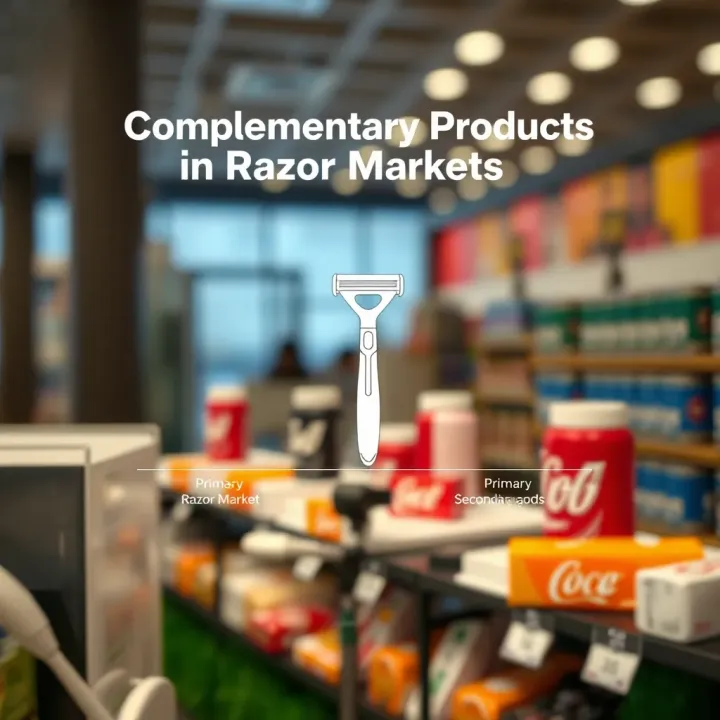
This article will break down the inner workings of razor markets, highlight marketing strategies, examine real-world examples, and discuss the implications for businesses and consumers alike. By the end, you'll have a clear picture of why these markets matter for today’s economy, especially in sectors where products and services come bundled or rely on follow-up purchases.
"In razor markets, the game isn’t just the first sale, but how you keep customers coming back for more."
We’ll explore:
What defines a razor market
How companies structure their pricing and product lines
Marketing approaches that keep the wheel turning
Challenges businesses face, including competition and customer loyalty
Practical examples from various industries
Throughout, expect straightforward explanations with examples that hit close to home, helping you get a grip on both the economic impact and everyday realities tied to razor markets.
Understanding razor markets is essential for traders and financial analysts because these markets reveal how companies structure prices to secure ongoing profits. A razor market operates on a model where the initial product—the "razor"—is sold at a low price or sometimes at a loss, while the complementary consumable—the "blade"—is sold at a higher margin over time. This strategy creates a continuous revenue stream and builds customer dependence, which can greatly affect company valuation and investment decisions.
The relevance here is that razor markets highlight the interaction between primary products and secondary goods, shaping business strategies and pricing tactics across various industries. For example, analyzing pricing schemes between printers and ink cartridges can inform market forecasts and competitive landscape assessments. Recognizing these dynamics helps investors anticipate profit trends, risks from market saturation, and shifts in consumer behavior.
Razor markets are economic scenarios where the main product is sold cheaply or even at a loss to entice consumers, but the accompanying consumable product is priced higher to generate profit. This approach hinges on the idea that customers will buy the consumable repeatedly, driving sustained revenue for businesses. It perfectly illustrates the principle of complementary goods, where the value or use of one product depends on another.
Practical relevance lies in understanding how this pricing model affects consumer lock-in and revenue flow. For businesses, it informs pricing strategies and inventory management. For investors, spotting companies reliant on razor markets can signal steady cash flow but also potential vulnerability if consumable sales decline.
Primary products serve as the gateway purchases, but their low cost often hides the long-term spending tied to consumables. Consumables—be it razor blades, printer ink, or game cartridges—are where businesses seek their real profits. This relationship forces consumers into a cycle of repeat purchases, benefiting businesses by providing ongoing income.
For South African businesses and investors, grasping this interaction helps gauge market sustainability and customer retention challenges. For example, a smartphone might be sold attractively low, but its proprietary accessories and apps generate continual income.
The classic example is Gillette’s razor and blade model. Gillette sells the razor handle at a low price, often bundled with free or discounted blades initially, knowing customers must buy replacement blades regularly. This ensures consistent profits as blades have a relatively high markup compared to the handle.
This model’s practical value lies in its predictability—knowing the blade consumption rate allows Gillette to forecast revenues and manage supply. Traders analyze such models to understand consumer loyalty and pricing power, making it easier to assess the company’s financial health.
HP and Canon printers are commonly sold at modest prices, while their ink cartridges can cost more than the printers themselves per volume of use. This market tightrope balances attracting buyers with affordable printers and profiting from consumables.
For investors, this exemplifies a razor market where consumables are vital to a company’s long-term earnings. Understanding these dynamics aids in anticipating how shifts in printing technology or third-party ink alternatives might impact profits.
Sony’s PlayStation and Microsoft’s Xbox offer consoles at competitive prices to build a user base. The real profits come from selling games, downloadable content, and subscriptions. The hardware kicks off the cycle, and software sales sustain it.
This setup is particularly interesting because it combines physical products with digital content, making subscription models an important factor too. Analysts watch how game releases and platform exclusivity affect consumables sales, influencing stock performance.
Recognizing razor market models arms traders and analysts with insight into revenue streams that aren’t obvious from the initial product price alone. It’s about looking beyond the sticker price to the recurring consumables that drive profitability.
In the South African context, companies adopting these models must also navigate local price sensitivity and market competition, which shape how razor markets evolve over time.
Businesses operating in razor markets often use a strategy that focuses on selling one product at a low cost—or sometimes even at a loss—and then making profits through the ongoing sale of complementary goods. This model has proven effective across various industries because it lowers the initial barrier for customers while ensuring steady revenue from the consumables or add-ons.
Understanding this strategy is critical not just for businesses crafting their pricing and marketing plans but also for investors and analysts evaluating company sustainability and growth. By grasping how companies balance initial sales with consumable profits, professionals can better predict market moves and identify potential risks.
Companies in razor markets usually offer the primary product—like a printer or a gaming console—at a low price point to attract customers quickly. The real money comes from selling consumables such as ink cartridges or video games. For example, HP might sell a laser printer with a thin profit margin but charges a premium for its branded toner cartridges, ensuring long-term profits.
This setup benefits consumers by lowering upfront costs but shifts expenses to ongoing purchases. Businesses must carefully price consumables so customers don’t feel gouged, as that can drive them toward generic alternatives or competitors. In essence, a delicate balance ensures steady revenue without alienating customers.

The complementary nature of these products leads to what's known as "customer lock-in." Once you buy a specific brand's razor or printer, your choices for consumables become mostly limited to that brand or compatible third-party options. This dependency means customers keep buying into the ecosystem they've entered, securing ongoing revenue for the business.
For instance, Xbox owners mostly stick with Microsoft’s games and accessories, since alternative options either don’t exist or won’t work. This lock-in encourages businesses to innovate within their product lines, offering exclusive features or consumables that tie customers tighter to their brand.
Customer lock-in is a double-edged sword—it helps businesses maintain revenue but can frustrate consumers if options become too limited or overpriced.
One common marketing tactic is slashing the price of the main product to lure buyers in. Think of Gillette’s strategy with their razors; they often sell the handle cheaply to get customers hooked but mark up the blade replacements heavily. This low entry price makes the product seem affordable, encouraging trial and adoption.
Retailers often use this tactic during promotions or holiday sales, relying on the promise of ongoing consumable purchases to make up the difference. For businesses, it’s about gaining market share quickly and establishing brand presence before competitors.
In recent years, subscription services have become popular to smooth out the purchases of consumables. Companies like Dollar Shave Club have capitalized on this by delivering razor blades regularly to customers' doors for a fixed monthly fee. This predictability benefits both sides: customers save time and avoid running out, businesses secure steady cash flow.
Subscriptions also build long-term customer relationships, simplifying marketing efforts. From a financial analyst’s perspective, subscription models can signal more predictable revenue, improving company valuation.
Brands operating in razor markets need to weigh their pricing, lock-in strategies, and customer engagement tactics carefully. Missteps—like overly aggressive consumable pricing—can backfire by driving customers away. But when executed well, these strategies enable sustainable profits while keeping consumers satisfied enough to stick around.
This rich understanding is vital for traders, brokers, and investors looking to evaluate companies relying on razor market dynamics, as it sheds light on how these businesses thrive and where vulnerabilities lie.
Understanding the consumer viewpoint in razor markets is essential because it reveals how buyers interact with these unique pricing models and what they stand to gain or lose. From a trader or economist’s perspective, knowing the buyer’s side highlights why companies price products one way and supplements another. This section breaks down the benefits consumers typically enjoy and the risks they face, shedding light on the real-world implications of razor market strategies.
One of the clearest customer advantages in razor markets is the lower initial price for the primary product. Take the example of electric shavers: many brands sell the razor handle at a price much lower than its production cost, planning to recoup revenue by selling replacement blades or cartridges. This approach reduces the barrier to purchase, making it easier for consumers to try the product without a hefty upfront investment. For investors and analysts, this strategy reveals how companies use pricing partly as a promotional tool to attract customers into their ecosystem.
Lower initial expenses help consumers test out products they might hesitate to buy otherwise. Printers sold cheaply in retail stores often attract customers quickly, but the necessary ink cartridges tend to cost considerably more over time. This pricing structure can make sense if consumers value convenience or are confident about their usage patterns.
Razor markets often rely on a network of compatible consumables designed specifically for their main product. This compatibility simplifies the buying process for customers who don’t have to hunt for third-party alternatives or risk damaging their devices. For example, gaming consoles like the PlayStation or Xbox offer games and accessories that fit perfectly with their systems, eliminating guesswork and potential compatibility headaches.
The convenience factor often keeps customers loyal, appreciating the streamlined experience brand loyalty brings. This is why many companies emphasize creating dense, exclusive ecosystems where all parts work seamlessly together. For financial analysts, understanding how this convenience influences customer retention sheds light on steady revenue flows.
Consumers should be aware that paying less upfront can lead to higher expenses down the road. The classic razor-blade model often means spending more on replacement parts or consumables — sometimes exponentially so. For instance, owning a Gillette razor might seem affordable initially, but replacement blades can add up comparatively fast, sometimes costing several times more than the original handle.
This trap is also clear in printer sales: buying an economy-priced printer might lead to expensive ink replacements. For long-term cost forecasting, traders and investors need to factor in these recurring expenditure streams when evaluating companies operating in razor markets.
Another risk is the dependency customers develop on a single vendor or brand. Once someone commits to a particular brand’s razor system or printer cartridges, switching to other brands becomes difficult or impossible without losing functionality or facing compatibility issues. This vendor lock-in can reduce consumer choice and increase vulnerability to price hikes or supply problems.
For example, Xbox users can’t just buy PlayStation games, and HP printer owners often find non-HP cartridges either incompatible or less efficient, pushing them back to original suppliers. This situation affects market dynamics by limiting competition and can cause frustration for consumers who might find better deals outside the locked-in ecosystem.
In short, while razor markets offer attractive entry points for customers, they come with a trade-off—convenience and initial affordability often shadow higher ongoing costs and reduced independence.
By understanding these consumer-side dynamics, financial professionals can better anticipate shifts in demand and pricing pressure in such markets. Recognizing both the benefits and pitfalls prepares investors and traders to make smarter decisions about companies relying on razor market models.
Navigating razor markets isn't a walk in the park for businesses. These markets come with their own set of struggles and hurdles that can shape a company’s strategy and bottom line. Recognizing these challenges is vital for anyone involved in these markets to adapt and thrive.
One of the most intense challenges is the constant pressure from competition, especially when markets start getting crowded. This can lead to price wars, particularly for consumables like ink cartridges or razor blades. Companies might be tempted to keep slashing prices on recurring purchases to keep customers loyal, but this can eat into profits quickly.
Price wars in consumables: It’s common for rival brands to undercut each other’s prices on refills or cartridges, using it as a battlefield to grab market share. The downside? While it attracts bargain hunters, it squeezes margins and can lead to a race to the bottom. Businesses have to balance competitive pricing with sustainable profitability.
Threat of generic alternatives: Generic or no-name alternatives often flood the market once the product patent expires or the technology becomes easier to replicate. These knockoffs are much cheaper and can lure price-sensitive customers away from the brand-name consumables. Companies must therefore invest in brand loyalty, quality assurance, or unique features to keep their share.
On the flip side, businesses must be savvy about how they manage product development in these markets. The relationship between the initial product and its consumables must evolve carefully to keep customers happy and locked in.
Balancing product upgrades with consumer loyalty: Consumers get frustrated if a new version of a product suddenly makes their consumables obsolete. For instance, if a printer upgrade isn’t compatible with older ink cartridges, users face extra costs or inconvenience. Companies need to innovate without alienating their customer base—sometimes a tough balance between encouraging upgrades and preserving loyalty.
Legal and patent considerations: Protecting intellectual property is both a shield and a challenge. Patents prevent cheap copies but enforcing them can be costly and complicated, especially across borders. Some companies use subtle design tweaks or software locks to ensure only official consumables work with their devices. However, legal battles and regulatory scrutiny can also arise if these measures are seen as anti-competitive.
Successfully managing razor market challenges is like walking a tightrope. A business must price smartly, innovate thoughtfully, and protect its interests carefully. Failing in any of these areas can mean losing the edge in a fiercely contested market.
Understanding these dynamics equips traders, investors, and analysts with insights needed to evaluate companies operating in these spaces. Keeping an eye on how firms meet these challenges helps predict their potential for sustained success.
Razor markets have gradually transformed in South Africa, shaped by unique consumer behaviors and regulatory frameworks. This evolution reflects how businesses adjust their razor-and-blade models to fit local conditions—balancing affordability and demand while navigating emerging laws. Understanding this shift is key for traders and investors watching consumer sectors or firms dependent on such strategies.
South African consumers are notably price-conscious, especially in lower- to middle-income groups. This sensitivity affects how companies price primary products and their consumables. For example, the initial cost of printers is often kept remarkably low by sellers like HP or Canon, banking on steady sales of ink cartridges over time. However, with many buyers stretching their budgets, there's a strong push towards cheaper, sometimes generic, consumables that can upset original manufacturers' profit margins.
This sensitivity means firms must strike a careful balance: pricing the initial product attractively while keeping consumables affordable enough to avoid driving customers to cheaper alternatives. Investors should note that a firm failing to respect local price dynamics risks losing market share quickly in South Africa.
Bundled offers are an important trend in the South African razor market. Consumers often prefer packages that include the primary product with a set of consumables at a discounted rate. Telecom companies like Vodacom and MTN use this tactic by bundling modems with internet subscriptions. This satisfies customer demand for convenience and upfront value, while businesses secure longer-term revenue through consumables or services.
Businesses can benefit by creating flexible bundles that reflect local buying power and usage patterns. Pragmatic bundle designs help retain customers and smooth out income flows from consumable sales.
South Africa's consumer protection laws have been tightening, which directly impacts razor market strategies. Laws that mandate transparency on pricing and compatibility promote fair play and protect buyers from aggressive upselling or locked-in vendor dependencies. A notable consequence is that companies selling printers or other devices must clearly disclose costs tied to consumables.
Understanding these consumer rights is vital for businesses to avoid legal pitfalls and for investors to gauge risks linked to regulatory fines or changes.
Competition authorities in South Africa actively monitor markets to avoid monopolistic behavior, particularly in sectors where razor market models thrive, like telecommunications and electronics. Restrictions on exclusive contracts or anti-competitive pricing schemes ensure there’s room for innovators and generic suppliers to enter.
This environment pressures incumbents to innovate and occasionally lower prices to keep customers loyal without abusing dominant positions. For financial analysts, this means razor market players face constant strategic challenges but can also find openings in fostering competitive, consumer-friendly approaches.
Razor markets in South Africa show a dynamic intersection of consumer habits and evolving regulations, demanding adaptive strategies for sustained success.
Investors and economists should keep a close eye on these factors to understand how local nuances affect broader razor market economics and competitive landscapes.
As technology advances and consumer habits shift, razor markets face significant transformation. It’s important to consider not only how these changes affect businesses but also how consumers will interact with products and consumables going forward. This section highlights emerging trends that could reshape razor market dynamics and offers insights for traders, investors, and analysts looking to stay ahead in this space.
The rise of smart products—appliances, gadgets, and tools connected via the internet—has shifted the traditional razor market setup. Instead of a simple physical product and its consumables, these smart devices rely on software updates, data, and ongoing services. For example, companies like Nest with their smart thermostats sell the device but rely on subscription services for features and updates. This changes how profit is generated, moving the focus from physical consumables to digital goods.
This shift means businesses in razor markets must rethink their models: how do you keep customers engaged if the "blade" is an app update or cloud subscription? The practical benefit is that companies can build longer-term relationships and steady revenue streams. For consumers, it offers convenience and often enhanced product functionality. However, it also raises concerns about control and dependency, as products can become less useful without ongoing company support.
More markets are moving away from physical consumables to digital subscriptions. Take the example of Microsoft or Adobe, which used to sell software as a one-time product but now use subscription models. Similarly, gaming platforms like Xbox and PlayStation offer their consoles cheap upfront, banking on subscription services like Xbox Game Pass or PlayStation Plus.
This evolution affects razor markets by replacing the traditional buy-once-use-often model with recurring revenue from subscriptions. Investors should note this means more predictable income streams, but also a need for continuous value delivery to keep churn low. Consumers often benefit from frequent updates and expansions without extra purchase, but they might face higher total costs if subscriptions accumulate.
Disposable consumables, like cartridges, blades, and batteries, have been major sources of waste. Growing environmental awareness pushes companies to rethink materials and encourage reuse or recycling. HP, for instance, runs a cartridge return program to reduce landfill waste and promotes using recycled materials for new cartridges.
This trend impacts razor markets by forcing producers to innovate in packaging and product lifespan. For businesses, adopting green practices can improve brand reputation and satisfy regulations increasingly focused on sustainability. Traders and investors should watch for companies leading in circular economy initiatives, as these could have a competitive edge in markets with eco-conscious consumers.
Eco-friendly design goes beyond reducing waste; it involves creating products from sustainable materials and ensuring end-of-life recyclability. Brands like Patagonia in apparel apply this concept to make durable goods aimed at lasting longer, reducing the need for frequent replacement.
In razor markets, designing products that last or use biodegradable consumables can appeal to an ever-growing segment of customers who prioritize sustainability. For example, some razor brands now offer handles made from recycled plastics paired with replaceable blades made for easy recycling. This not only aligns with consumer values but also anticipates stricter regulations on single-use plastics.
Forward-thinking companies in razor markets that combine technology and sustainability offer a strong proposition for growth and customer loyalty.
To sum up, the future of razor markets will likely be shaped by digital transformation and sustainability demands. Firms that adapt to smart technologies and embrace environmentally responsible practices stand to benefit most. Keeping an eye on these trends will help investors and market participants make informed decisions in a rapidly changing environment.
Explore QX thoroughly 📘—discover its meanings, practical uses, and impact across fields. Understand benefits, challenges, and real-world significance.

Explore how understanding scope markets 📊 can boost South African businesses! Learn to analyze, distinguish from target markets, and grow sustainably.

Discover the world of synthetic materials 🌐: types, production, uses, and environmental impact. Learn benefits, challenges, and future alternatives 🔍.

🤖 Explore how robot traders shape financial markets with algorithmic trading. Understand their tech, benefits, risks, and impact on your trading choices.
Based on 11 reviews