

Deriv Withdrawal Limits Explained
💸 Learn how Deriv’s withdrawal limit protects your funds, what KYC checks mean, and how to handle regional rules for smooth payouts in South Africa. 🇿🇦
Edited By
Henry Collins
When it comes to withdrawing funds from your Deriv trading account, knowing the maximum withdrawal limits is key. These limits can influence your cash flow, especially if you’re an active trader or investor needing quick access to your funds. Deriv, a widely used online platform, sets specific withdrawal thresholds depending on several factors. Understanding these will help you avoid delays or frustrations.
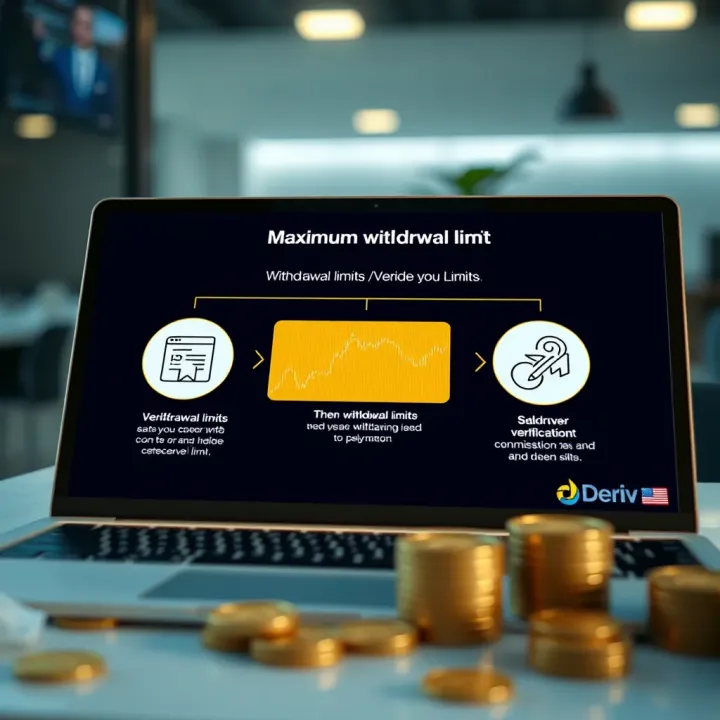
You won’t find a one-size-fits-all limit here; Deriv adjusts maximum withdrawals based on your account status, the payment method used, and verification level. For example, authenticated accounts generally enjoy higher withdrawal caps compared to those still verifying their identity. Plus, different channels—like e-wallets or bank transfers—come with their own restrictions.

Keep in mind: Withdrawal limits protect both traders and the platform by managing risk and complying with financial regulations. They’re there for your security as much as theirs.
It’s also worth noting that South African users should consider currency conversion implications when withdrawing, because funds may convert from USD or EUR to rand, impacting the amount received due to exchange rates and possibly fees.
By getting familiar with these limits early, you can better plan your trades and withdrawals, reducing unexpected hold-ups. This guide breaks down how Deriv’s maximum withdrawal limits work and what influences them, so you can take control of your earnings without unnecessary hassle.
Knowing what shapes your maximum withdrawal limit on Deriv is essential for planning your trades and managing your funds effectively. This limit isn’t arbitrary; it depends on various factors that ensure compliance and security while reflecting your trading profile and financial arrangements.
Deriv distinguishes mainly between Standard and Professional accounts, each carrying different withdrawal ceilings. Standard accounts are geared towards everyday traders, with conservative withdrawal limits to align with typical retail trading behaviour. Professional accounts, on the other hand, cater to high-volume traders or those with significant experience, offering higher withdrawal limits that suit their larger trading scope.
Trading activity also plays a part. The more you trade, the higher your potential withdrawal limit tends to be. This approach recognises active traders who frequently move capital and require flexible access to their funds. For example, a trader consistently hitting weekly turnover targets may find their maximum withdrawal increased compared to a less active account holder.
To prevent fraud and comply with South African regulations, Deriv requires identity verification through Know Your Customer (KYC) checks. You’ll generally need to submit a government-issued ID, proof of residence (like a municipal bill), and proof of payment method. This documentation confirms your identity and protects your account from misuse.
Without completing verification, your withdrawal limits remain notably lower. Verified accounts benefit from raised caps and faster processing, reflecting the added trust. For instance, unverified South African users might be limited to withdrawing just a few thousand rands, while verified users often enjoy withdrawal limits in the tens or hundreds of thousands.
Deriv supports multiple local currencies, including the South African Rand (ZAR), allowing for straightforward withdrawals without costly conversions. This matters because withdrawing in your local currency can save you exchange fees and avoid fluctuating rates that might reduce your funds.
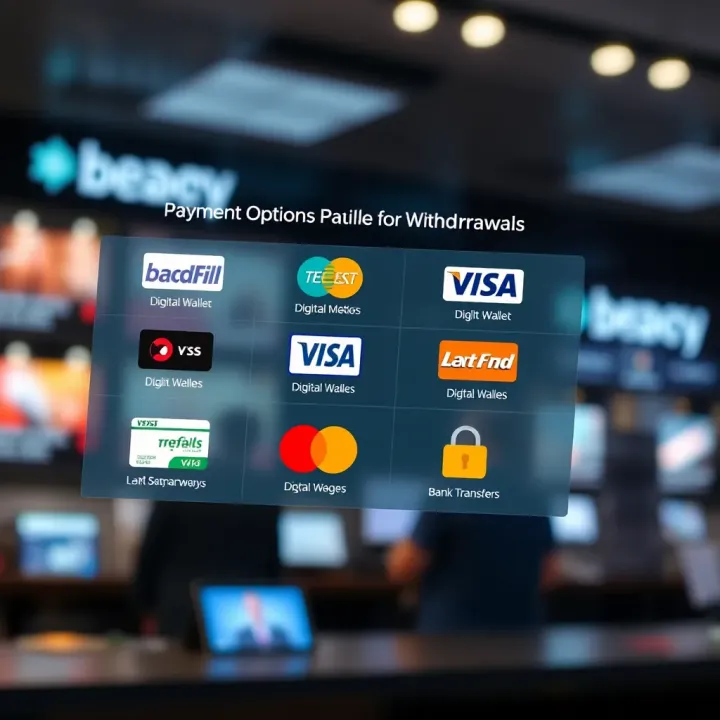
Payment methods also influence your withdrawal ceiling and timing. Options like e-wallets and bank transfers have different maximums and processing periods; e-wallet withdrawals usually clear quicker but might have lower caps, while bank transfers can handle larger amounts but take longer. For example, a withdrawal via bank transfer might allow up to R50,000 per transaction but take two to three business days, whereas e-wallets might limit you to R20,000 but clear funds within 24 hours.
Understanding these factors helps you manage expectations on your payouts and make informed choices about your trading and fund management strategies on Deriv.
Navigating the withdrawal process on Deriv can seem a bit daunting at first, especially if you’re new to online trading platforms. But understanding each step clearly helps you avoid common pitfalls like exceeding withdrawal limits or encountering verification issues. This section breaks down the withdrawal process into manageable parts, highlighting practical points South African users often overlook.
Accessing the cashier is your first stop when wanting to withdraw funds. Once logged into your Deriv account, you'll find the cashier prominently displayed in the main menu or dashboard. It's where you manage deposits and withdrawals. The interface is straightforward—click on "Withdrawal" to start. Making sure you log in using a stable internet connection helps prevent session timeouts during the process.
When it comes to choosing withdrawal options, Deriv typically offers multiple methods depending on your region and account status. For South African traders, this often includes options like e-wallets (Skrill, Neteller), bank transfers, or even cryptocurrencies. Selecting the right option matters—not just because of limits and fees but also due to processing times. For example, withdrawing via bank transfer might take a few days but is often suitable for larger sums, while e-wallets offer faster payouts but sometimes with lower limits.
Entering withdrawal amount within limits is crucial. Deriv sets maximum withdrawal limits influenced by your account type and verification status. If you try to withdraw more than allowed, your request will be declined, delaying your access to funds. For illustration, if your verified account allows a maximum withdrawal of R30,000 per transaction, attempting R50,000 won't go through. Therefore, double-check your current limits before submitting your request.
When selecting payment channels, factor in both convenience and costs. Some payment methods charge higher fees or have longer clearing times. For example, using a credit card might incur fees and lower limits, whereas cryptocurrencies often boast quick transfers but might not be ideal if you prefer Rand directly. Also, consider whether your chosen method supports R and if currency conversions apply, as these can affect the amount you ultimately receive.
Before you finalise your withdrawal, verification of request details makes sure there are no errors in your amount, recipient details, or payment method. Deriv may ask for two-factor authentication or other security checks at this stage. Confirming these details carefully helps prevent complications that could stall your payout or trigger additional compliance reviews.
Once your request is submitted, checking withdrawal status is straightforward. Return to the cashier section under "Withdrawal History" or "Transaction Status". Here, Deriv shows the progress from pending to approved and completed. Staying informed helps you anticipate when funds will show in your account, especially during South African public holidays or Eskom load-shedding periods that may slow bank processing.
Keeping track of these withdrawal steps not only speeds up receiving your funds but also avoids unnecessary delays and potential declines linked to exceeding limits or incomplete verification.
By carefully following this step-by-step process, you can manage your Deriv withdrawals efficiently and keep full control over your trading funds.
Managing withdrawals on Deriv can sometimes be tricky, especially when dealing with maximum limits. It's important for users to understand common hurdles so they can navigate the withdrawal process smoothly and avoid unnecessary delays or declines. Getting familiar with these challenges helps traders and investors plan their cashouts better and ensures they comply with Deriv’s policies.
Exceeding maximum limits: One of the main reasons withdrawal requests get declined is when users attempt to withdraw amounts surpassing Deriv’s set maximum limit. For example, if your account allows a maximum withdrawal of R50,000 per transaction but you request R70,000, the system will automatically reject your request. These limits exist to manage liquidity and comply with regulatory frameworks. To avoid this, check your account’s withdrawal ceilings beforehand and consider splitting large withdrawals into smaller batches.
Unverified accounts and missing documentation: Deriv requires proper verification before processing withdrawals beyond certain limits. If your account is unverified or missing key documents like proof of identity or residence, your withdrawal might not go through. This policy aligns with Know Your Customer (KYC) regulations designed to prevent fraud and money laundering. A typical example would be a trader who has deposited funds but never uploaded their ID or utility bill; their withdrawal request would be held until verification completes. Keeping your documentation up to date is crucial to prevent such hiccups.
Impact of exchange rates on withdrawal value: When withdrawing in currencies different from your trading account’s base currency, fluctuations in exchange rates can affect the exact amount you receive. For instance, if your account is in USD but you withdraw to a South African bank account in Rands, the exchange rate on the day of processing determines your final payout. Sudden shifts in rates can lead to amounts being less than expected, which traders need to keep in mind while planning withdrawals.
Processing delays due to payment partners: Withdrawal delays often arise from the intermediaries involved in payment processing rather than Deriv itself. If you choose certain e-wallets or banking partners that operate slower or have limited hours, it might take several days for funds to clear. For example, payments through some international methods may encounter holdups during weekends or public holidays. To minimise delays, it’s wise to select payment options known in South Africa for faster turnaround times, such as EFTs with local banks or popular e-wallets servicing the region.
Understanding these challenges helps you anticipate issues and avoid frustration during withdrawals. Staying informed about limits, verification rules, currency effects, and payment partners will make your experience with Deriv’s withdrawal process smoother and more predictable.
Managing your Deriv account properly is key to avoiding headaches when withdrawing funds. By staying on top of verification details and picking the right payment methods, you can sidestep delays, declined requests, or unexpected fees. Let’s take a closer look at practical ways to keep withdrawals running smoothly.
Uploading current documents keeps your account in good standing and increases your withdrawal limits. Deriv requires identity documents like a valid ID or passport to meet Know Your Customer (KYC) rules. If these aren’t up to date or don’t match your details, your withdrawal requests might be delayed or blocked. For example, if your ID has expired, upload a renewed copy as soon as possible to prevent any disruptions.
Regularly reviewing account information is just as important. Details like your registered address or contact numbers should reflect your current situation. If you’ve moved or changed your cellphone number and didn’t update Deriv, this could slow verification checks or cause missed communications about your withdrawals. Checking your profile every few months is a good habit to pick up, saving you from surprises when you want to cash out.
Evaluating fees and limits helps you avoid losing money unnecessarily. Different payment channels—such as bank transfers, e-wallets like Skrill or Neteller, and cryptocurrencies—offer varying withdrawal limits and sometimes charge fees. For instance, withdrawing via a linked bank account might come with a lower fee and higher withdrawal cap compared to an e-wallet. Knowing these differences upfront means you can plan your withdrawals without getting stung by surprise charges.
Local options versus international channels also impact withdrawal speed and cost. Using local South African banks through EFTs usually means faster processing and fewer currency conversion issues, resulting in better value for traders here. In contrast, international payment methods might take longer and come with extra exchange rate costs due to converting Rands to foreign currencies. If you primarily trade using South African Rand, it often pays to stick to local payment methods where possible.
Staying verified and choosing payment methods wisely are two simple yet effective ways to keep your money flowing without stress on Deriv. Small efforts here can save days of waiting and unexpected expenses later on — a big win for traders based in South Africa and beyond.
💸 Learn how Deriv’s withdrawal limit protects your funds, what KYC checks mean, and how to handle regional rules for smooth payouts in South Africa. 🇿🇦
💸 Learn how minimum withdrawal rules work on Deriv for South African traders, covering amounts, payment methods, common issues & tips for smooth fund access.
📈 Understand Deriv servers and how they support online trading platforms. Learn about key functions, security tips, and what South African users need to know.

📱 Get to know Deriv APK: easy installation on your mobile, user-friendly trading tools, local support, and top security for safe online trading in South Africa.
Based on 13 reviews