

Trading Guide for Beginners: Start Smart
📈 Learn trading basics, strategies, and risk management in our practical guide series. Ideal for anyone ready to trade confidently in South African markets.
Edited By
Isabella Ford
Fake trading websites are cropping up at an alarming rate, especially as more South Africans turn to online platforms to grow their investments. These sites often promise impressive returns with little effort, but behind the scenes, they’re designed to scam you out of your savings or personal information. Knowing how to spot these dodgy platforms is not just useful—it’s essential for protecting your hard-earned money.
The trick with fake trading sites is they usually look the part. They copy logos, use professional-sounding terminology, and mimic legitimate brokers. But a closer look reveals weak spots that don’t sit right.
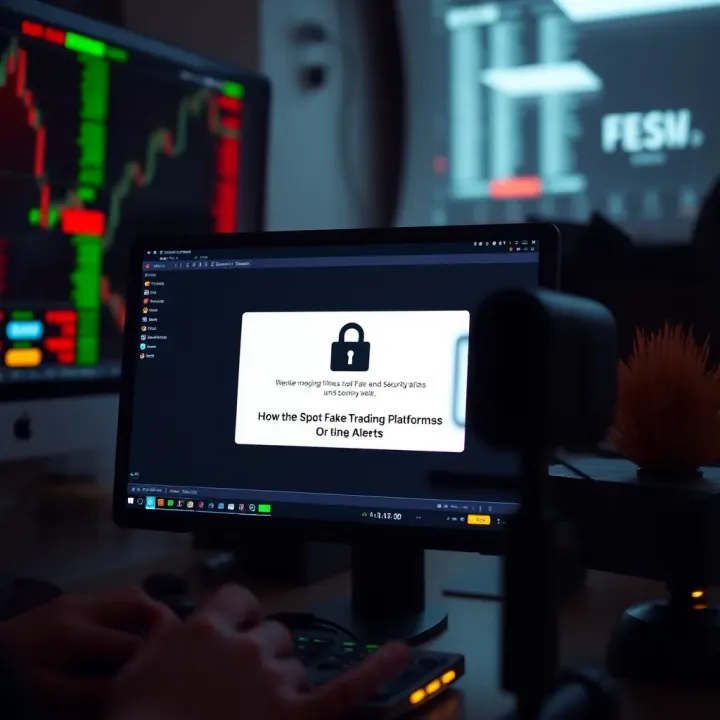
A few common red flags include:
Unrealistic promises: Platforms guaranteeing fixed returns of, say, 20% monthly should raise eyebrows immediately. No regulated financial firm can guarantee gains in the volatile markets.
Lack of regulation or unclear authorisation: Genuine brokers in South Africa are registered with the Financial Sector Conduct Authority (FSCA). If a website doesn’t mention its regulatory status or uses vague credentials, be cautious.
Poor website quality: Misspelled words, broken links, or outdated info can indicate a scam site.
Pressure tactics: Pushing you to deposit quickly or use non-traditional payment methods like gift cards or crypto wallets.
Understand that scammers adapt swiftly. Some fake sites imitate well-known platforms or even use reviews that seem authentic but are fake. One practical step is to cross-check the broker’s name on regulator databases (FSCA in South Africa, FCA in the UK, ASIC in Australia).
Also, watch out for social media ads promising secret trading strategies or insider tips. These often link to fake trading websites designed to lure inexperienced investors.
In the sections ahead, we’ll break down fraudster tactics in detail and share strategies to avoid falling into their trap. With the right info, you’ll be able to trade safely, keep your investments secure, and avoid endless frustration.
Trading online should empower you, not subject you to theft or deceit. Stay alert and informed.
Knowing how to spot fake trading websites is your first line of defence against scams. With the surge in online trading platforms targeting South African investors, scammers have grown bolder, crafting sites that look the part but hide malicious intent. Identifying the red flags early can save you from losing money or exposing your personal info.
A telltale sign of a fake trading site is promises that sound too good to be true. If the platform guarantees returns like 50% per month or claims it’s impossible to lose, be wary. Legitimate trading involves risk, and no broker can promise consistent, high profits. These unrealistic claims often aim to lure inexperienced traders eager for quick gains.
Real brokers must be licensed by recognised authorities like the Financial Sector Conduct Authority (FSCA) in South Africa. Fraudulent sites often skip this step or display fake licences. Always verify the broker's credentials through official regulatory bodies. Trading with an unregulated entity means you have little legal recourse if things go wrong.
Shoddy layouts, broken links, slow loading times, or missing pages can clue you in. Genuine brokers invest in professional, user-friendly platforms because they rely on trust and reputation. Conversely, fake sites cut corners on design, resulting in a clunky experience that betrays their inexperience or intent to deceive.
Reliable trading sites provide complete contact details, including physical office addresses, phone numbers, and email support. Warning bells ring when this information is missing, fake, or hard to find, making it tricky to reach anyone should problems arise.
Scammers boost their credibility by posting glowing reviews and fake testimonials. These often appear on the platform itself or social media, creating a false sense of security. Always cross-check reviews on independent sites or forums, and be sceptical if all feedback is overly positive without any criticism.
Some fraudsters go to the extent of copying official brokers’ website designs, logos, and content to fool traders. These look genuine at first glance but subtle differences—like unusual URLs or missing FSCA licences—give them away. If something feels off, trust your gut and investigate further.
Fake platforms often push you to deposit large sums immediately, using urgency or exclusive offers. This high-pressure approach doesn’t sit well in the real trading world, where most brokers encourage learning and testing with smaller amounts. If you feel rushed, step back—it’s a classic scam move.
Being on the lookout for these signs can keep you safe in a market flooded with fraudulent actors. Take your time, do your homework, and never rush a decision involving your hard-earned Rands.
Recognising the scams that often run on fake trading sites is vital for anyone looking to trade safely. These platforms are designed to trick even seasoned traders by creating the illusion of legitimate investing opportunities, only to steal money or personal information. Knowing how these scams operate helps you spot the red flags early and steer clear of financial loss.
One of the most frustrating experiences in trading scams is when you'll finally try to withdraw your money, only to hit a brick wall. Fake websites often block or delay withdrawals using various excuses — technical glitches, compliance checks, or sudden new rules. To make things worse, some just ignore withdrawal requests altogether, leaving you locked out. For example, a trader deposits R10,000 expecting to withdraw profits after a week, but the platform either freezes the account or demands additional fees before releasing funds.

In some cases, the scam turns uglier when the website completely disappears after initial deposits. You might get a few returns or even see your balance grow on the screen, but when it comes to cashing out, the operators vanish without a trace. This trick, sometimes called "phantom investing," creates a false sense of security to lure bigger deposits before cutting ties. It’s like paying for a braai and never seeing your boerewors arrive.
Fake trading sites often go beyond just blocking withdrawals—they tamper with the trading environment itself. Falsified market data is a common tactic. Prices of stocks, forex, or commodities may appear erratic or manipulated to coax you into making trades you wouldn’t otherwise consider. This false data means the platform controls your trading outcomes, making it impossible to win over time. A local example might be a demo platform mimicking JSE shares but showing unrealistic price swings, tricking you into false confidence.
Another sneaky scam involves unexplained switching of account balances. One moment your R50,000 appears safe, and suddenly, your balance reads much less—or even zero—without any trade or explanation. This tactic confuses and unsettles traders, prompting bigger deposits to "cover losses" or questioning their own trading skills. If that happens, it’s a clear sign the platform isn’t trustworthy.
Always be sceptical when a platform makes your account balances or market data look too good to be true or too unpredictable without clear reasons. Your money's safety depends on recognising these scams early.
Understanding these common scams isn’t just for spotting a dodgy site; it’s about protecting your hard-earned cash and peace of mind. Stay alert, verify licensing statuses, and if something smells off, don’t hesitate to walk away or seek advice from trusted resources like the Financial Sector Conduct Authority (FSCA).
Identifying examples of fake trading websites is a key step to protecting your investments. Knowing specific cases helps you recognise typical red flags and avoid platforms that have already scammed others. Such examples aren't just names; they reveal patterns in fraudsters' methods, helping you stay one step ahead.
Some fake trading websites have gained notoriety among South African traders through repeated complaints. For instance, platforms claiming to offer high returns with minimal risk but failing to provide FSCA registration often pop up under different names. Names like “GlobalTradePro” or “SecureFX Investments” frequently appear in fraud reports, although they frequently change domains or slightly alter names to dodge detection.
These platforms often lack verifiable credentials and rely heavily on aggressive marketing tactics instead of transparent trading services. For traders, being aware of these common names can save significant losses, especially since many scams operate on a referral basis, growing rapidly before authorities intervene.
Fake sites tend to use similar methods to trap unwary traders. One common pattern is delaying or refusing withdrawals, citing vague reasons such as "security checks" or "system upgrades." Others manipulate trading platforms to show impressive profits that vanish when traders request payouts.
They also shamelessly imitate well-known brokers’ branding to confuse potential clients. This copycat strategy, combined with fake reviews spread across forums, feeds trust where none should exist. Understanding these recurring schemes aids traders in spotting scams early and steering clear.
Scammers often customise their websites with South African motifs, languages, or references to local events to appear more trustworthy. For example, they might mention Johannesburg or Cape Town-based branches, use Afrikaans or isiZulu phrases, or claim special offers for Mzansi residents. This localisation tricks traders into thinking the platform operates within South Africa’s regulatory framework.
Besides websites, targeted ads on social media and messaging apps like WhatsApp capitalize on local lingo and currency (Rand) references. Such familiar signals can lower guard, making it easier for fraudsters to reel in victims.
Many fake trading websites accept payments through familiar South African methods such as EFTs to major banks (FNB, Standard Bank), SnapScan, or even voucher systems like Ukash. This use of local payment options convinces traders that transactions are secure and reversible, which often isn’t the case.
In some instances, fraudsters even request deposits through prepaid airtime or mobile money wallets, making transactions harder to trace or reclaim. Recognising that legitimate brokers usually have stringent verification procedures before accepting funds can help you question suspicious payment requests.
Familiarity can be dangerous—scammers rely heavily on local touches to lower your defences. Always verify credentials independently, even if a platform feels "South African enough".
Taking these factors seriously improves your chances of steering clear of scams and protecting your hard-earned Rands from disappearing into fraudulent schemes. Stay sharp.
Knowing how to protect yourself from fake trading websites is critical in today’s online trading environment. Fraudsters often exploit the eagerness of new traders by masquerading as legitimate brokers. Taking practical steps to verify a platform’s authenticity can save you from losing money and personal data to scams.
The FSCA regulates financial services providers in South Africa, including brokers offering trading platforms. Always check whether the broker is registered and authorised by the FSCA before committing any funds. You can do this by consulting the FSCA’s online register, which lists valid financial service providers. This simple step prevents falling for imposters who claim false licences or operate without any regulation.
For example, if a site claims to be a recognised forex broker but does not appear on the FSCA register, treat it with suspicion. Legitimate brokers must comply with local laws and South African regulatory standards, so this check provides a reliable filter against fake platforms.
Apart from the FSCA, several independent websites and user forums track broker reputations and share verified reviews. Resources like Investopedia’s broker reviews or MyBroadband’s finance section can offer valuable insights. These platforms usually flag scams or report suspicious behaviours promptly.
Consulting a mix of official authority registers and user-generated feedback helps build a well-rounded view of any broker’s credibility. Don't just rely on glowing testimonials displayed on the broker’s website; instead, seek opinions from known South African financial communities and credible analyst reviews.
One red flag to watch out for is when a trading website demands personal or banking details before you’ve fully vetted their legitimacy. Legitimate platforms will request such information only after you’ve completed proper registration steps and verified your identity through secure means.
Avoid sending copies of your ID, banking passwords, or debit/credit card details via unsecured emails or chats. A scam website might use these details for identity theft or unauthorised transactions, causing lasting financial harm.
Fake trading sites often employ urgency tactics, pushing you to deposit significant amounts without time for careful consideration. Real brokers encourage responsible investing and usually allow you to start with small amounts.
If you feel rushed or pressured to fund your account 'right now' to access special bonuses or trading opportunities, take a step back. This is a common trick used to cloud judgement and make you deposit before spotting warning signals.
Before committing large sums, start by testing the platform with a small investment. This approach lets you experience the trading process, withdrawal mechanism, and customer service responsiveness without risking too much.
If small withdrawals are delayed or denied, or if the platform shows irregularities in pricing or executing trades, it’s a warning sign. Testing first helps you avoid getting trapped in scams promising high returns while making it difficult to access your money later.
Taking these steps protects you from falling victim to fake trading websites and strengthens your confidence in handling online investments. In South Africa’s growing retail trading sector, being cautious upfront is the best defence against fraud.
Coming across a fake trading website can be unsettling, especially if you’ve already shared personal details or made deposits. Knowing the right steps to take immediately can help minimise damage and prevent others from falling victim. This section lays out practical steps to protect yourself and others, highlighting why timely action and proper reporting make a difference.
The Financial Sector Conduct Authority (FSCA) is South Africa’s watchdog overseeing financial institutions and markets. Reporting a suspected fake trading website to the FSCA alerts regulators to potential scams operating within or targeting the country. The FSCA can investigate unlicensed operators and issue warnings or sanctions which may stop the fraud in its tracks.
For instance, if you notice a platform pretending to be FSCA-registered but fails proper verification, reporting this extends protection to other traders. The FSCA’s website provides channels for lodging complaints, helping matter progress beyond individual cases towards systemic enforcement.
Since fake trading platforms often involve criminal elements such as fraud or cybercrime, informing SAPS is an essential part of the process. The police can open official cases and track offenders, especially in collaboration with cybercrime units. This is particularly relevant if you’ve suffered financial loss — SAPS records and investigates complaints to try and recover funds.
You can approach your nearest police station or report via the SAPS website. Sharing any evidence, like transaction records or communication with the platform, strengthens your case. This action helps build pressure against fraudsters and supports broader crackdowns.
If you deposited money with a fake trading site, tell your bank or card provider as soon as possible. They can monitor suspicious activity on your accounts, block future unauthorized payments, and sometimes reverse fraudulent transactions if reported quickly enough.
For example, a South African bank such as FNB or Capitec may offer guidance on how to secure your accounts and what fraud prevention services are available. Timely alerts limit your exposure and help the institution strengthen protections for all clients facing similar risks.
Groups like the National Consumer Commission or Financial Consumer Protection bodies offer advice and sometimes mediation for victims of scams. They know the ins and outs of local consumer laws and can help you understand your rights and next steps.
These organisations also keep tabs on common scams, offering alerts and educational resources to prevent others falling prey. Accessing their support can give victims a clearer path forward and practical help navigating legal or financial challenges.
Joining relevant online groups can foster solidarity and shared learning among victims and concerned traders. Platforms such as MyBroadband forums or dedicated Facebook groups often discuss scam alerts, share firsthand experiences, and suggest responses.
This peer support helps people feel less alone while gathering useful tips on recovering losses or avoiding repeat scams. It’s also a way to keep informed about new fraudulent practices targeting South African investors.
Taking swift, informed action when you encounter a fake trading website not only protects your own finances but contributes to wider efforts to shut down these scams. Reporting, seeking support, and alerting your bank are your best first steps.
📈 Learn trading basics, strategies, and risk management in our practical guide series. Ideal for anyone ready to trade confidently in South African markets.

📊 Understand surge trading with strategies, risk management, tools, beginner tips & regulations to trade sudden market moves confidently in South Africa.

Explore synthetics trading 📊: key concepts, types, tech, risks & tips tailored for South African investors aiming to navigate modern financial markets confidently.

Explore PocketOption's features, account types, trading tools, and security measures. Get tips on risk management and costs for South African traders 📊💼🇿🇦
Based on 14 reviews