
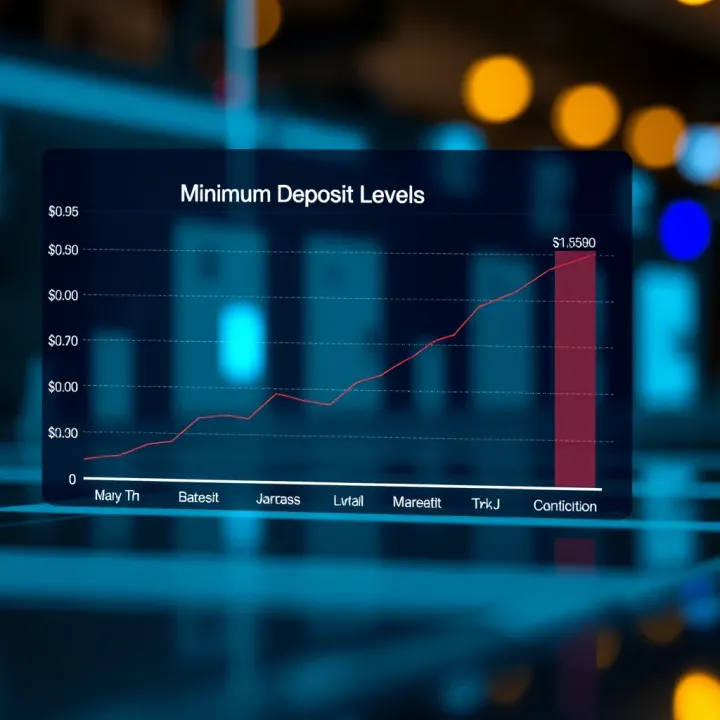
FxPro Minimum Deposit: What South Africans Need to Know
📊 Discover FxPro’s minimum deposit amounts by account type, payment options, and South African rules. Learn to manage your funds wisely for better trading outcomes.
Edited By
Elizabeth Harding
MetaTrader 5 (MT5) has earned its place as a leading multi-asset trading platform, popular among traders and investors worldwide—including here in South Africa. One question that often pops up before getting started is: How much money do I need to open an MT5 account? This boils down to understanding the minimum deposit requirements.
Minimum deposit requirements aren’t set by MetaTrader itself; they depend on the broker offering the MT5 service. This means these amounts can vary greatly from broker to broker. For instance, some brokers accept a minimum deposit as low as R100, while others require upwards of R10,000 or more. This variation is often linked to the account type you choose, the trading instruments available, and the broker's target market.

These requirements influence trading strategies and capital allocation. If you’re starting with a smaller deposit, such as R500 or R1,000, you might be limited to micro or mini accounts, which have smaller lot sizes and sometimes fewer features. On the other hand, larger deposits open up standard or premium accounts, possibly with better spreads, leverage options, and access to advanced tools.
Brokers usually set minimum deposits to balance accessibility with their operational costs, so picking the right broker is key depending on your trading ambitions and budget.
When considering South African traders, keep in mind:
Local regulations can affect payment options and deposit processes
Some brokers accept rand direct deposits, while others require foreign currency
Payment methods range from EFT, credit/debit cards, to online wallets like PayFast or Skrill
Look out for deposit fees or currency conversion charges that impact your initial capital
Knowing how minimum deposits impact your trade size and potential returns helps make smarter decisions. It’s a good idea to check broker reviews, consider their terms, and factor in your risk appetite before choosing an MT5 brokerage.
In the sections that follow, we’ll break down how brokers differ on deposits, suggest ways to fund your MT5 accounts safely, and highlight options suited to South African traders.
Understanding how minimum deposit requirements vary between MetaTrader 5 (MT5) brokers is vital for any serious trader or investor. The minimum deposit isn't just a box to tick; it influences access to various account types, trading conditions, and risk exposure. For example, a beginner trader starting with R1,000 may find brokers offering low entry points more appealing, while experienced investors might prefer platforms requiring higher deposits but offering advanced features.
Retail brokers usually cater to everyday traders and have lower minimum deposit requirements to attract a broad client base. These brokers often provide standardised account types for individual traders. Meanwhile, institutional brokers serve professional clients such as hedge funds or asset managers, often demanding much higher minimum deposits, sometimes running into hundreds of thousands of rands. This differentiation is practical because institutional trading involves larger volumes and tailored services, which justify a heftier cash commitment.
MT5 brokers offer a variety of accounts—ranging from micro accounts with minimal deposits and low spreads to premium accounts with exclusive benefits like tighter spreads, higher leverage, and priority support. A broker might set a minimum deposit of R1,000 for a basic account but require R50,000 or more for premium options. For South African traders, it means you can start small and upgrade as your confidence or capital grows, but you should carefully pick an account that fits your trading goals.
Regulations play a significant role in setting minimum deposits. Brokers regulated by the Financial Sector Conduct Authority (FSCA) in South Africa often face rules that indirectly influence deposit thresholds to ensure traders are not exposed to undue risk. For instance, some regulators require brokers to maintain certain liquidity or capital adequacy levels, which can translate to higher minimum deposits, especially for leveraged trading. Knowing your broker's regulatory status helps identify realistic deposit expectations and safeguards.
These accounts are ideal for beginners testing the waters or traders with limited capital. Brokers offering deposits starting at around R1,000 allow access to standard trading tools with moderate leverage. South African traders often find these deposits manageable, especially when using local payment methods such as EFT or SnapScan. However, expect spreads to be wider and fewer perks compared to higher-tier accounts.
This range is typical for most retail traders aiming for more flexibility and better trading conditions. A deposit of R5,000 to R10,000 typically unlocks better spreads, increased leverage options, and sometimes additional instruments like commodities or indices. For example, a trader funding their MT5 account with R7,500 might gain access to forex majors and some CFDs with tighter costs, balancing entry barrier and opportunity.
Premium accounts often require deposits well above R10,000, sometimes starting at R50,000 or more. These accounts cater to serious investors who want advanced features such as personalised account management, enhanced analytics, or lower commissions. The trade-off is a higher capital barrier, but it often comes with better trade execution and additional tools. Some brokers also bundle these accounts with priority withdrawals and exclusive market insights, making them attractive for professional traders.
When choosing an MT5 broker, understanding these deposit brackets helps align your initial investment with your trading style and objectives. Always balance affordability with the features you need to trade effectively.
In summary, the minimum deposit on MT5 varies because of the broker’s client focus, account options, and regulatory landscape. For South African traders, picking the right broker involves weighing these factors alongside payment conveniences and security measures. Whether you start with a modest R1,000 or a premium deposit, clarity on these differences helps you trade smarter and safer.
Minimum deposits aren't just a technicality; they shape how you trade on MetaTrader 5 (MT5). The amount you commit initially sets the tone for everything—from how much leverage you're offered, to your risk exposure and the flexibility in managing your positions. Knowing the role minimum deposits play helps you plan your trading approach with real-world practicality.
Leverage lets you control a bigger position than your deposit alone would allow. Brokers usually set leverage ratios based on your deposit size, with higher deposits often unlocking higher leverage. For example, a R5,000 deposit might qualify you for leverage of 1:100, letting you control R500,000 worth of assets, while a R1,000 deposit might only get you 1:50. This boosts buying power but also amplifies losses, so larger deposits with higher leverage come with greater risks.
Besides leverage, your deposit influences margin requirements—the collateral you need to open or maintain a trade. A bigger deposit means you can spread your margin across multiple positions, allowing more flexibility. On a R10,000 account, you could open several trades without exhausting margin, but smaller deposits might force you to be choosier with your positions to avoid margin calls.
You don’t have to start with a large sum immediately. Many traders benefit from scaling their accounts gradually: beginning with the minimum deposit allowed, then topping up once they've gained confidence and consistent results. This method reduces pressure and helps build a sustainable trading rhythm without risking too much upfront.
Balancing capital and risk management is key. A deposit that’s too small can tempt you to overleverage, taking outsized risks that can quickly blow your account. Conversely, a larger deposit offers more room for stop-loss placement and better position sizing, enabling you to protect your capital effectively while chasing steady profits. For example, if your risk tolerance is 2% per trade, a R5,000 deposit means risking R100 per trade, which keeps losses manageable.
Remember, successful trading isn’t about the biggest deposit but managing your capital wisely to stay in the game longer.
Choosing the right deposit size means matching your trading style, risk appetite, and goals with what’s practical given your available funds and broker policies. This thoughtful approach sets a foundation for consistent performance on MT5.
Depositing funds safely into your MetaTrader 5 (MT5) account is a step you cannot afford to take lightly. The security and reliability of your payment method directly affect how quickly you can start trading and how protected your money is from fraud. For South African traders, understanding the payment landscape and the nuances of each option can prevent headaches and keep your trading smooth.
Bank transfers and EFT are among the most commonly used funding methods for MT5 accounts. South Africans are familiar with electronic funds transfers (EFT) through their banks, which usually take a few hours to a day depending on the bank and time of transfer. This method is reliable and often preferred for larger deposits since it offers a clear audit trail. For example, moving R10,000 from your FNB account to your broker’s account via EFT is straightforward but can take longer on weekends or public holidays.
Credit/debit cards provide a more immediate way to fund your MT5 account. Visa or Mastercard transactions typically reflect instantly or within a few minutes, making them convenient for traders who want to get going fast. However, some brokers may restrict the use of cards for withdrawals or charge additional fees, so it pays to check broker terms carefully. Also, South African cardholders should be wary of exchange rates and foreign transaction fees when dealing with offshore brokers.
Mobile money and e-wallets have become increasingly popular, especially among traders who prefer the convenience of apps like SnapScan, Zapper, or even PayPal when supported. These systems usually process payments instantly and have the added benefit of additional security layers such as two-factor authentication. For instance, using SnapScan to deposit R2,000 into your MT5 account offers a quick, frictionless option, particularly if you're trading smaller amounts or prefer to keep your bank details private.
Verifying broker credibility is crucial before sending any funds. South African traders should always prefer brokers regulated by the Financial Sector Conduct Authority (FSCA). This regulation ensures your funds are kept in segregated accounts separate from the broker’s operational funds, reducing your risks. Always do your homework—check broker reviews, licensing status, and whether they have clear communication channels in place.
Checking for deposit fees upfront prevents surprise charges. Some brokers pass bank fees or card processing costs on to you, while others absorb these costs. For example, a R5,000 deposit via credit card might attract a 1.5% fee which adds up over time. Make sure you understand what fees apply not only on deposit but also on withdrawals, as these can quickly eat into your trading capital.
Understanding withdrawal timelines helps manage your expectations. Some brokers process withdrawals within 24 hours, but others may take several business days, especially when international transfers are involved. South African traders should factor in these delays when planning to access profits or reinvest funds, particularly if the withdrawal method differs from the deposit method.
Funding your MetaTrader 5 account securely is more than just picking a payment method — it’s about trusting your broker, knowing the costs involved, and planning around transaction times. This will keep your trading experience hassle-free and focused on the market rather than on your finances.
Choosing the right MetaTrader 5 (MT5) broker plays a big role in a trader’s success, especially here in South Africa. Brokers vary widely in their regulatory standing, deposit rules, and trading conditions, all of which affect the safety and efficiency of your trades. Before committing funds, you want to make sure your broker ticks the boxes for regulation, client protection, and transparent fee structures.
The Financial Sector Conduct Authority (FSCA) is South Africa’s watchdog for financial services, including brokers. An FSCA licence means a broker operates under strict rules designed to protect traders. Licensed brokers must adhere to compliance requirements such as fair treatment of clients and transparent dealings. For example, if you trade through an FSCA-licensed broker, you can reasonably expect they must keep you informed about risks and handle disputes through proper channels. This oversight reduces the risk of dealing with fly-by-night operators.
Another key protection is if your broker holds client funds in segregated accounts. This means your trading money is kept separate from the broker's own funds. If the broker hits financial trouble or even goes bust, your deposits should be shielded from being claimed by creditors. Many South African traders have faced issues when brokers mix client funds with operational cash, so this segregation is a practical safeguard. Always check whether your broker offers this level of security before funding your account.
Minimum deposit levels can influence your initial investment strategy. Some brokers welcome traders with a minimum deposit as low as R1,000, making it accessible for beginners or those testing the waters. Others might require upwards of R10,000 for premium accounts, often offering added benefits like tighter spreads or dedicated support. South African traders should look for brokers whose deposit thresholds match their budget and trading style.
How much you pay per trade matters. Brokers differ in the spreads (the difference between buy and sell prices) and commission fees they charge. Even a tiny spread increase can add up over hundreds of trades. For instance, a spread of 2 pips versus 0.5 pips might mean the difference between profits and losses over the long run. Some brokers offer zero commission but wider spreads, while others have low spreads but charge a fixed commission per trade. Weighing the costs carefully helps maintain trading profitability.
Many brokers provide multiple account types tailored to different trader needs. You might find standard, ECN (Electronic Communication Network), or VIP accounts, each with varying leverage, spreads, and service levels. For example, an ECN account typically offers raw spreads directly from liquidity providers but may require larger deposits. Beginners might prefer standard accounts with more modest requirements. Narrowing down which account types suit your goals avoids surprises down the line.
Selecting a broker isn’t just about low minimum deposits; it’s about legal protection, cost transparency, and the right tools fitting your trading journey.
With these factors in mind, South African traders can make smarter choices filling their MT5 accounts and managing risk confidently in the market.
Managing your trading capital effectively is key to sustaining and growing your MetaTrader 5 (MT5) account, especially when starting with a minimum deposit. Without solid capital management, even a promising strategy can fall flat. The real skill lies in balancing risk with opportunity, keeping losses manageable while slowly building your trading pot.
Trying your hand at MT5 trading without risking fresh Rand starts with a demo account. This risk-free environment lets you get familiar with the platform and test strategies with virtual money. For example, if you’re keen on trading forex pairs like USD/ZAR or commodities, practising on a demo account helps you understand market movements and order execution without the pressure of real money. Many newbies find that this hands-on experience saves them from costly errors when they begin live trading.
It's tempting to aim for massive profits from the get-go, especially when you've deposited the minimum amount like R1,000 or R5,000. But setting achievable targets based on your initial capital helps maintain discipline. For instance, aiming for a 2% return per week might sound modest, but with consistent efforts, compounding those gains can make a real difference over months. Unrealistic goals often push traders towards risky moves that can quickly drain a small account.
Growing your account doesn’t happen overnight, and sometimes you’ll need to inject more funds as opportunities arise or to avoid overleverage. It’s wise to start small and increase your deposit only when you have a better grip on your trading style and risk tolerance. For example, after six months of steady growth and learning from mistakes, topping up your account from R2,000 to R5,000 could enable you to take bigger or more diversified positions. Remember, the goal is to grow sustainably, not to rush in and risk blowing your capital.
Stop-loss orders are essential in protecting your capital from market whipsaws. Setting stop-loss levels helps you predefine the maximum loss you’re willing to accept per trade. Take a trader dealing in CFDs on the JSE 40 or currency pairs like EUR/ZAR — placing a stop-loss at 1% to 2% below the entry price can prevent a single bad decision from wiping out a big chunk of the account. Without stop-losses, emotions like fear or greed might cause you to hold losing positions longer than you should.
Knowing how big a position to take based on your account size is just as important as picking winning trades. For example, if you’re working with R5,000, risking 1% per trade means your stop-loss should not exceed R50. This guides your position size and helps avoid overexposure. Tools within MT5 assist with calculating lot sizes, making it easier to stick to your risk limits without guesswork.
Putting all your eggs in one basket is risky, even if you feel confident about a particular stock or forex pair. Diversification spreads exposure across different assets, such as shares (like Sasol or Naspers), forex pairs, and gold or platinum. This approach can smooth out volatility and reduce the chance that one bad trade hurts your entire account significantly. For example, if the ZAR suddenly weakens unexpectedly, having currency pairs and commodities in your portfolio might cushion the impact on your overall trading capital.
Effective capital and risk management within MT5 isn’t just about rules and numbers; it’s about creating a trading approach that grows with your experience and shields your Rand from unnecessary losses.
📊 Discover FxPro’s minimum deposit amounts by account type, payment options, and South African rules. Learn to manage your funds wisely for better trading outcomes.
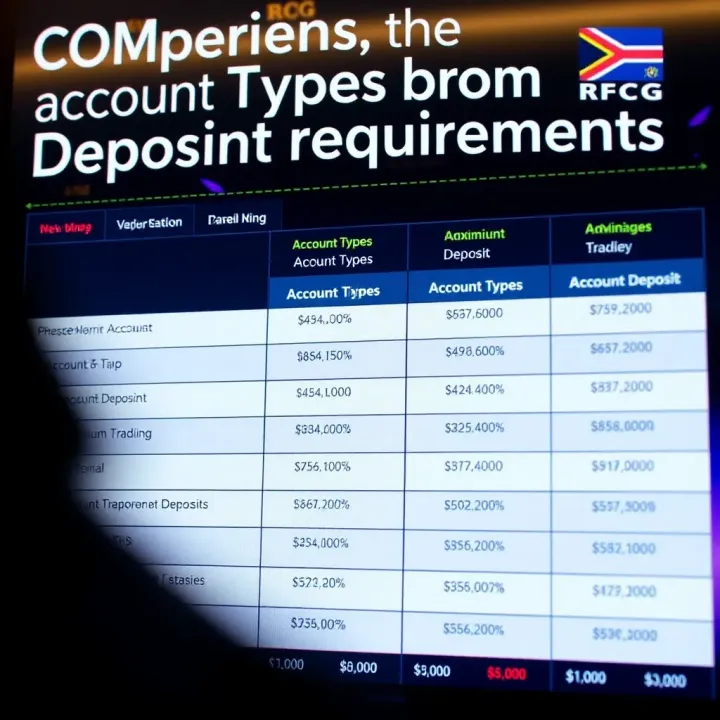
💰 Learn about RCG's minimum deposit rules for South African traders. Find out how much you need, payment choices, account types, and smart tips for managing your funds.

📊 Discover SuperForex minimum deposit details, payment options, account types, fees & tips to manage your initial trading deposit smartly in South Africa.

💰 Learn about RCG Markets' minimum deposit rules, payment options, and how they stack up vs other brokers to make smart moves in South Africa's trading scene.
Based on 14 reviews