
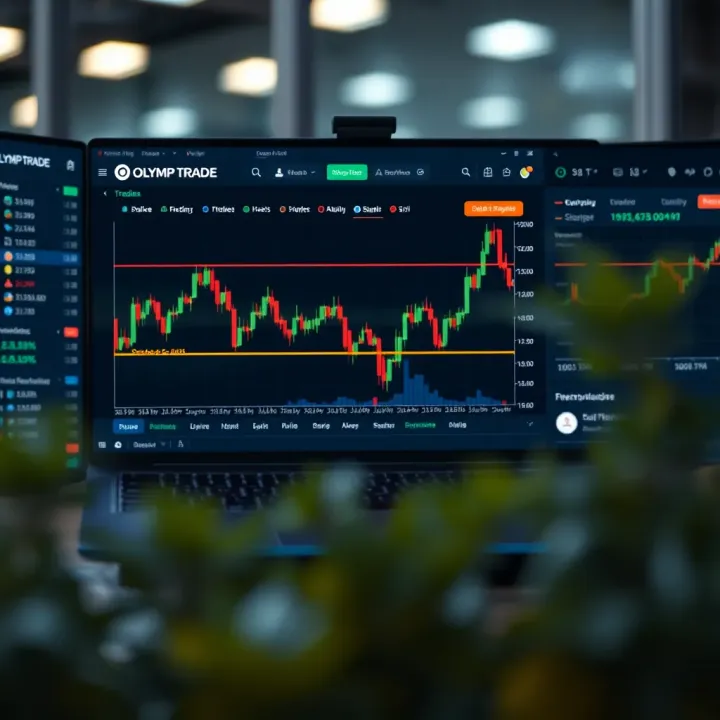
Olymp Trade Review: Key Features and User Experience
Explore Olymp Trade's key features, account types, and payment options ✅ Find out its pros, cons, safety, and customer support 💬 tailored for South African traders.
Edited By
Lucy Mitchell
When weighing up whether Olymp Trade is a trustworthy platform, several factors come into play. Traders, investors, and analysts often ask: is this service properly regulated? Does it offer a safe environment to invest real money? How have other users experienced its services, especially in markets like South Africa?
Olymp Trade is a financial trading platform known for offering various instruments such as forex, stocks, and commodities through simple interfaces. It's particularly popular among novice traders because it allows relatively low deposits and user-friendly tools. But popularity alone doesn't guarantee legitimacy.
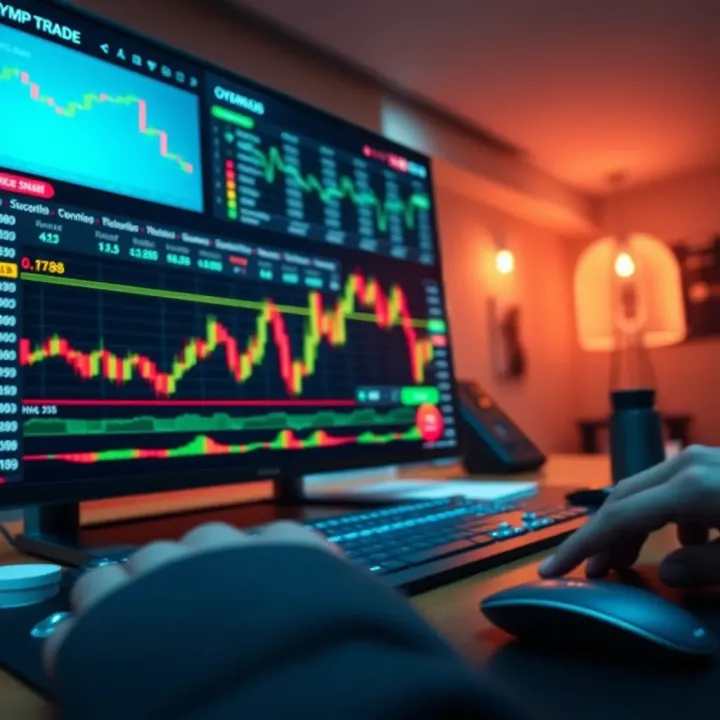
One key aspect to check is if the platform operates under recognised financial authorities. Olymp Trade is registered with the International Financial Commission (FinaCom), an independent dispute resolution body that provides some investor protection up to $20,000. However, it is not regulated by South African bodies such as the Financial Sector Conduct Authority (FSCA). This might concern some users as local regulation typically ensures stronger legal safeguards.
The platform uses industry-standard encryption protocols to protect user data and funds. Two-factor authentication (2FA) is available, adding an extra layer of protection against unauthorised access. However, traders should always be cautious as no platform is entirely immune to cyber threats, especially in volatile financial markets.
Online reviews from South African users show mixed experiences. Some traders praise the platform for its straightforward interface and effective educational resources, while others warn about withdrawal delays or occasional glitches. It reminds one of driving on a gravel road: mostly smooth, but bumps may appear unexpectedly.
While Olymp Trade offers some investor protections and decent security, the lack of direct South African regulatory oversight means you must exercise caution and manage risk carefully.
Compared to local options and global brokers regulated by FSCA or FCA (UK), Olymp Trade stands out as more accessible but less regulated. Platforms like IG or Plus500 provide stronger oversight but often require higher minimum deposits.
If you’re considering Olymp Trade, start with small amounts and test the withdrawal process thoroughly. Keep an eye on the terms and conditions, especially regarding bonuses or leverage, as these can affect your risk.
In short, Olymp Trade can be a legitimate trading venue if used thoughtfully, but it’s no free pass. Knowing where it fits in the regulatory and user experience spectrum helps South African traders decide if it suits their needs and risk appetite.
Grasping how Olymp Trade works is key if you're thinking about using it—especially here in South Africa where specific local conditions impact your trading experience. Knowing the platform’s offerings and mechanics helps you judge its fit for your trading goals, plus it can save you from costly surprises down the line.
Olymp Trade offers a spectrum of assets, including forex pairs, commodities like gold and oil, indices, and a variety of stocks. This selection means you can diversify your portfolio or focus on specific markets. For example, a trader interested in commodities might keep an eye on the fluctuating oil price, while others might speculate on JSE index movements.
In terms of trading instruments, Olymp Trade primarily features classic and digital options alongside standard forex trading. Digital options here differ from traditional ones by having a fixed expiry and predetermined payout, making them appealing for those who want clear risk-reward parameters. The platform also provides a basic account tier and a VIP account type; the latter unlocks better trading conditions such as higher payout percentages and personalised support, which is handy if you intend to trade regularly or with larger sums.
Signing up with Olymp Trade is a straightforward process. You'll need to register with your email and verify your account by submitting ID documents and proof of address—both standard practice to comply with anti-money laundering rules. Completing verification swiftly ensures smooth access to full platform features and withdrawals without delays.
When it comes to moving funds, Olymp Trade accommodates South African users through methods like bank cards (Visa, MasterCard), local e-wallets, and popular payment gateways. Deposits typically reflect quickly, but withdrawals can take a bit longer, depending on your chosen method. Importantly, Olymp Trade supports transactions in Rand, sparing you constant currency conversions, which can otherwise eat into your margins.
It’s worth checking your bank’s policy on international payments, as some impose limits or fees that might affect your deposits or withdrawals through Olymp Trade.
Understanding these operational details will help you navigate the platform with more confidence and align your trading activities to your financial planning and comfort level.
Understanding the regulatory status of Olymp Trade is key to judging its trustworthiness. Regulation ensures a trading platform meets specific standards, providing protections to traders. Without proper licensing, users risk dealing with operators who may not follow strict financial rules, opening the door to potential fraud or unfair practices.
Olymp Trade is a member of the International Financial Commission (FinaCom), a third-party body that offers dispute resolution services between brokers and clients. This membership means that, should a South African trader encounter a problem with Olymp Trade that remains unresolved directly, FinaCom can mediate. Additionally, member brokers often must adhere to certain financial standards, providing a degree of consumer protection beyond what unregulated brokers offer.
For instance, FinaCom requires its members to keep segregated client funds, meaning your money should be kept separate from the company’s operating capital. This limits the risk of loss if the platform faces financial trouble.
It's important to note that FinaCom is not a formal government regulator. It doesn’t issue licences or supervise daily operations like the Financial Sector Conduct Authority (FSCA) in South Africa. This means Olymp Trade does not fall under the same legal obligations or oversight as locally regulated brokers, which can translate to less protection for you.
In practice, this means while FinaCom membership offers some reassurance, the platform isn’t held to the full regulatory standards that SA traders might expect. If you experience issues like withdrawal delays or unfair trading conditions, the options to enforce your rights are limited compared to dealing with an FSCA-regulated broker.
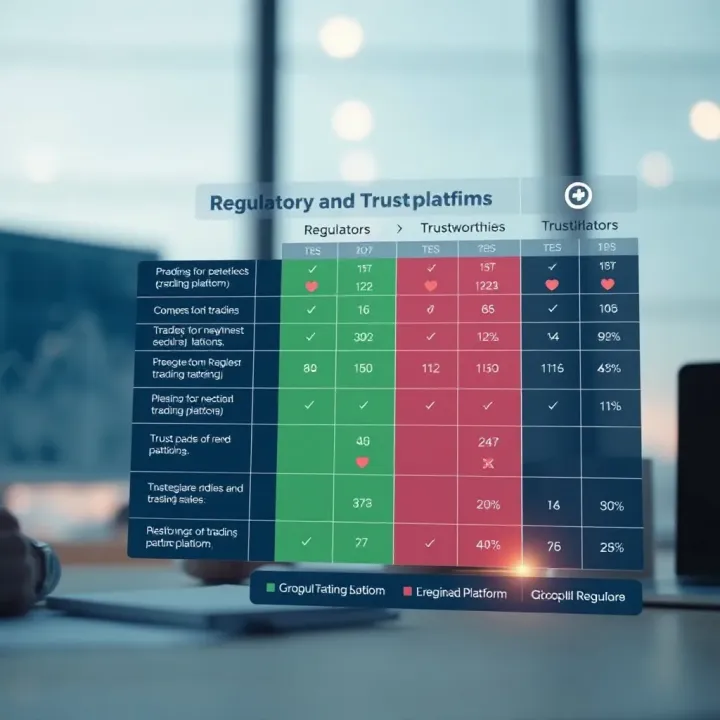
Trading with unregulated or loosely regulated brokers can expose you to serious risks. These include withdrawal problems without recourse, hidden fees, or manipulative trading conditions. Unlike FSCA-regulated platforms that must follow strict rules on transparency and fair treatment, unregulated brokers may operate with little accountability.
For example, some traders have reported difficulties reclaiming funds or unclear terms with brokers only regulated by offshore or non-governmental bodies. The lack of formal oversight means you may struggle to get help from local authorities or consumer protection agencies.
Locally regulated brokers, authorised by the FSCA, must follow rigorous requirements such as capital adequacy, client fund protection, and fair marketing practices. This makes them inherently safer options for South African traders. They also offer easier recourse through local regulators if disputes arise.
Platforms like EasyEquities or some JSE-approved brokers provide a level of comfort that Olymp Trade currently does not. When choosing a platform, balancing asset variety and user experience with regulatory assurance is crucial. While Olymp Trade offers appealing features, consider the gap in regulatory oversight carefully before committing significant funds.
When it comes to trading, knowing who watches the watchdogs can make a world of difference for your peace of mind and your pocket.
In summary, Olymp Trade’s membership of the International Financial Commission offers some consumer safeguards but falls short of South African regulatory standards. South African traders should weigh the convenience and asset availability against potential risks tied to limited regulation.
When considering any online trading platform, the quality of user experience and robust security measures ranks high on the list of critical factors. These two elements not only affect how easily traders can navigate and use the platform but also determine the safety of their funds and personal data. In a market where scams and technical glitches are common, a platform's reputation largely hinges on these aspects.
Traders often praise Olymp Trade for its clean interface, which makes executing trades straightforward even for those new to online trading. The platform’s availability of demo accounts is another highlight, helping users practice without risking real money. However, some South African users have reported frustrations with delays in withdrawal processes and occasional discrepancies in trade execution times. These issues can be particularly problematic during volatile market conditions when timing is everything.
Customer complaints also include challenges around understanding the fee structures, as some users find hidden charges confusing or poorly disclosed. That said, positive feedback often centres on the low minimum deposit requirement and the variety of assets available, which make the platform accessible to a wider range of traders.
Customer support on Olymp Trade shows mixed reviews. While some users note quick and helpful responses, others complain about delays and difficulties in reaching support during peak trading hours. Effective customer support is essential, especially when dealing with financial transactions and technical uncertainties. For South African traders, the time difference complicates direct live support, but options such as email and chat support remain available.
Olymp Trade claims to use standard encryption technology to safeguard user data, which is fundamental for preventing unauthorised access. Encryption scrambles sensitive information, like passwords and transaction details, making it difficult for cybercriminals to intercept and misuse. This is a key feature given the frequency of cyber-attacks targeting financial platforms.
Beyond encryption, Olymp Trade also employs security features such as two-factor authentication (2FA), which adds an extra layer of protection by requiring a second form of proof before granting access. Despite these measures, traders should always ensure their own devices are secure and avoid using public Wi-Fi for trading to reduce risk.
Handling personal and financial information with care is crucial for any broker. Olymp Trade states that it complies with relevant data protection standards, ensuring client details aren’t shared with third parties indiscriminately. This includes sensitive data like identity documents needed for verification. Nonetheless, traders should remain cautious and only share necessary information, keeping an eye out for phishing attempts impersonating the platform.
Trust in a trading platform goes beyond flashy features; strong security protocols and responsive customer service build the foundation for a secure trading environment.
For South African users, understanding these practical elements of Olymp Trade's user experience and security measures can help navigate the risks and benefits more confidently, enabling informed choices about their trading activities.
When dealing with online trading platforms like Olymp Trade, it’s vital to be aware of the potential risks and warning signs. Understanding these red flags helps traders avoid losses and protects them from scams. If you’re new to this space or even a seasoned trader, recognising these risks can save you time, money, and frustration.
One clear warning sign is if a platform guarantees unusually high returns with little to no risk. Real trading involves market fluctuations, so promises of quick, consistent profits should raise eyebrows. Another red flag is a lack of transparency regarding fees, terms, or regulatory status. Some platforms only reveal this information after users deposit funds, which is far from ideal.
Watch out for aggressive marketing tactics, like persistent calls or messages urging immediate investment. Also, platforms that don’t support independent verification or provide limited user feedback may be hiding issues. If customer reviews frequently mention delayed withdrawals or unresponsive support, proceed cautiously.
Looking at comparable brokers helps us spot patterns. For instance, some offshore platforms operating without proper licensing have been flagged for freezing accounts without clear reason. In South Africa, there have been reports of brokers making it complicated for users to withdraw their money, sometimes citing vague technicalities.
Remember the headache some traders faced with platforms that applied unexpected fees or switched trading conditions without prior notice. These practices, while not universal, are warning signs worth noting before committing funds to any broker.
A recurring complaint about Olymp Trade concerns delays in withdrawing funds. Though not every user experiences this, some have reported waiting several days longer than the platform’s stated timelines. Such frustrations can impact cash flow, especially for traders relying on timely access to their earnings.
Occasionally, Olymp Trade’s withdrawal process reportedly includes additional verification steps that feel cumbersome or confusing. This is sometimes necessary for compliance but can take traders by surprise, particularly when they’re new to these requirements.
Olymp Trade’s fee structure isn’t always straightforward. While they advertise commission-free trading for certain instruments, traders should be aware of spread costs and overnight fees that can add up. Such charges might not be immediately obvious from the platform’s marketing materials.
Trading conditions, including minimum deposit amounts and withdrawal limits, can change, sometimes without clear or timely communication to users. That lack of clarity makes it harder for traders to plan and manage their investments effectively. Comparing these conditions against well-regulated local brokers often shows a noticeable difference in transparency.
Staying alert to these risks and red flags helps you protect your capital. Always read terms carefully and test platforms with small deposits or a demo account first. This way, you avoid unpleasant surprises and decide with confidence.
Comparing Olymp Trade to other trading platforms available to South African users offers valuable insights into its strengths and weaknesses. With a crowded market featuring both local and international brokers, understanding key differences can help you pick a platform that matches your specific needs and risk appetite.
Regulation is a significant factor separating Olymp Trade from many South African brokers. Unlike platforms regulated by the Financial Sector Conduct Authority (FSCA), Olymp Trade operates under the International Financial Commission’s umbrella, a private entity rather than a government regulator. This means local traders might miss out on certain protections typical of FSCA-regulated brokers like easy recourse options or assurance against broker insolvency.
Local brokers such as IG or EasyEquities are FSCA-approved, offering compliance with South African laws and better legal protection. Fees also tend to differ: Olymp Trade's fee structure, including spreads and withdrawal limits, might not be as transparent or competitive as those from established South African brokers. In terms of assets, Olymp Trade covers forex, stocks, commodities, and indices but may lack some of the diverse investment options offered by larger local platforms, which include shares on the JSE and unit trusts.
Ease of access and user support sets platforms apart too. Olymp Trade’s platform is user-friendly and mobile optimised, which appeals to beginners or casual traders. However, local brokers often provide dedicated South African customer support teams reachable by phone during business hours—a practical advantage when you encounter issues. South African platforms also tend to support familiar payment methods like EFTs through local banks, whereas Olymp Trade relies more on international payment systems, sometimes complicating fund transfers amid fluctuating rand foreign exchange rates.
When selecting a trading platform, you should consider your risk tolerance and trading style carefully. If you prefer short-term trades or binary options, some international platforms like Olymp Trade might offer features tailored to that style, with quicker execution and simpler interfaces. Conversely, investors looking at longer-term wealth building may find local brokers offering access to a wider variety of instruments and stronger regulatory safeguards more appealing.
Resources and education form another crucial consideration. Reputable South African brokers such as EasyEquities or IG typically offer comprehensive learning materials in local context—from video tutorials to webinars covering JSE-listed stocks and tax implications. Olymp Trade offers educational content too, but it’s more generic and may not address the unique challenges South African traders face, like managing forex risk amid rand volatility or navigating the tax rules from SARS.
Choosing a platform isn’t just about fees or user interface. It’s about finding one that fits your trading goals, offers reliable support, complies with local regulations, and provides learning tools that help you grow.
Ultimately, comparing Olymp Trade with local brokers side by side helps South African traders to make an informed choice rooted in practicality rather than marketing promises.
Trading on platforms like Olymp Trade carries both opportunity and risk. Practical tips tailored for South African traders are vital because they help you safeguard your money and make smarter trading decisions. This section offers clear advice on getting started safely and knowing when to seek expert help.
Using a demo account lets you explore Olymp Trade without risking any real cash. It’s like a flight simulator for pilots — you get to practise trading, understand the tools, and see how different assets move before putting your hard-earned Rands on the line. For example, you can test strategies with forex pairs or commodities, noting how timing impacts your results without stress.
Many South African traders don’t spend enough time with demo accounts and dive straight into live trading, which often leads to costly mistakes. Taking that initial step to practise helps you avoid unnecessary losses and builds confidence, especially given the platform’s unique features.
Another smart move is setting strict deposit limits. Decide beforehand how much you can comfortably lose — not just how much you want to win. Olymp Trade allows you to control your deposits, so use this to avoid over-exposure. For instance, start with R500 or R1,000, rather than plunging in with larger amounts that strain your budget.
Alongside limits, read the terms carefully. Getting clear on withdrawal processes, fees, and trading conditions upfront can prevent surprises. Some users have reported delays withdrawing funds, often linked to not properly understanding platform policies. Knowing these fine details helps you trade with eyes wide open.
Trading platforms, especially ones like Olymp Trade that operate internationally but are less regulated locally, can be tricky to navigate. Talking to a financial adviser who knows South Africa’s market and regulations can give you perspective on risks and benefits. They can also advise how such platforms fit in with your overall investment goals.
For example, an adviser might suggest diversifying your trades beyond online platforms or guide you on how to report profits on your tax return correctly. Their local insight is valuable because South Africa’s financial landscape includes specific rules from SARS and the Financial Sector Conduct Authority (FSCA).
If you encounter anything fishy — delayed or blocked withdrawals, pushy calls for deposits, or unexplained account freezes — it’s crucial to report to the FSCA or South African Police Service (SAPS). These bodies investigate scams and protect consumers.
Reporting helps not only you but other traders who might fall prey. Sharing experiences, even just a quick report, supports watchdogs in keeping the whole market safer.
Keep records of all communications and transactions to back up your complaint. Prompt action can sometimes stop losses and warn others about dubious platforms or practices.
By following these practical tips, South African traders can better navigate Olymp Trade’s risks and opportunities while protecting their finances and peace of mind.
Explore Olymp Trade's key features, account types, and payment options ✅ Find out its pros, cons, safety, and customer support 💬 tailored for South African traders.
Explore Olymp Trade's features, account types, and risks with our South African guide 📊. Get tips for beginners and understand the local trading rules 🇿🇦.
Explore PocketOption's features, account types, trading tools, and security measures. Get tips on risk management and costs for South African traders 📊💼🇿🇦
Explore our detailed RCG Markets review 📊—covering trading services, fees, platform features, accounts & support to help South African traders decide wisely.
Based on 7 reviews