

Profile and Impact of Stacey Burke
Explore Stacey Burke's journey 🌟, her achievements 🏆, community efforts 🤝, challenges faced 🚧, and future plans 🔮 shaping her field's impact.
Edited By
Sophie Davies
Immediate peak demand in South Africa’s electricity grid occurs when there’s a sudden surge in power usage over a short period. This is more than just an inconvenience—it puts enormous pressure on Eskom’s already stretched infrastructure. These spikes often coincide with times when households switch on multiple high-consumption appliances simultaneously, or when industries ramp up production unexpectedly.
Understanding the root causes and impacts of these immediate peak events is critical for traders, investors, and analysts who track South African utilities and energy markets. For instance, Eskom’s loadshedding stages directly relate to how the system manages these peaks; higher peak demand can accelerate the transition to more severe loadshedding to balance supply and demand.
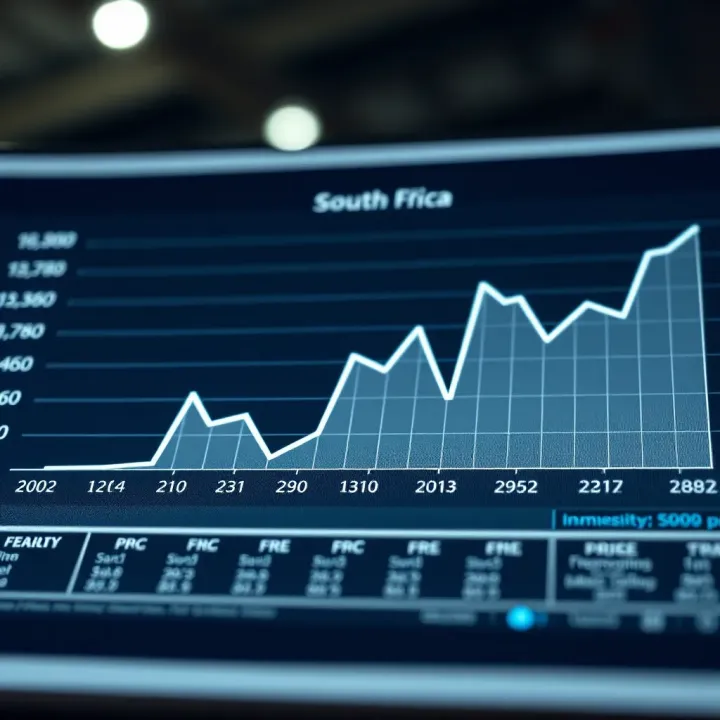
Immediate peak demand doesn’t just risk blackouts; it can drive up wholesale electricity prices sharply, affecting market stability and investment confidence.
Morning and evening routines: Early mornings when kettles, stoves, and geysers switch on together, plus evenings when people return home, switch on lights, TVs, and electric heaters.
Commercial and industrial bursts: Factories starting shifts or machinery loading up without gradual ramp-up add to demand surges.
Weather events: Heatwaves prompt increased use of cooling devices, just as cold snaps see space heaters cranked up.
Inadequate consumer awareness: Without real-time feedback, many consumers are unaware their simultaneous appliance use strains the grid.
Immediate peaks force Eskom to rely on costly peaking plants or emergency reserves, pushing up system operating costs. For traders and investors, this translates into heightened price volatility on the JSE’s electricity sector shares and related derivatives. Companies dependent on stable power supply risk operational disruptions, impacting share value and credit ratings.
Moreover, the unpredictability of load spikes complicates financial forecasting for municipal and industrial clients, who might face unexpected tariff increases or production setbacks.
South Africa can dial down these spikes through a mix of technology and behaviour shifts:
Smart meters and time-of-use tariffs: Encouraging consumers to spread heavy electricity use throughout the day.
Demand response programmes: Incentivising large users to cut or shift load during critical periods.
Energy-efficient appliances: Reducing baseline consumption eases pressure during peaks.
Public awareness campaigns: Educating on peak times and encouraging practical habits, like staggering geyser or oven usage.
For businesses and investors, understanding these management strategies helps predict potential shifts in electricity costs and system reliability.
Immediate peak demand remains a thorny challenge for South Africa’s power landscape, but clear insights into its causes and mitigations can guide smarter decisions across the energy sector and financial markets.
Immediate peak demand describes sudden, sharp rises in electricity consumption over a brief period. Unlike the general peak demand, which reflects broader usage trends during certain times of day, immediate peaks occur as abrupt surges, typically lasting seconds or minutes. For example, when a factory’s heavy machinery all starts up simultaneously, or when households switch on multiple high-powered appliances just after a robot turns green in the evening rush hour.
Understanding immediate peak demand matters for market players because these surges stretch Eskom’s infrastructure in ways less predictable than regular demand patterns. If not managed properly, such spikes can trigger rapid instability on the grid, leading to potential blackouts or increased reliance on emergency reserves. Investors and analysts following South Africa’s power sector will appreciate the direct link between these load surges, grid health, and financial risks associated with power disruptions.
Immediate peak demand involves rapid jumps in electricity use that can occur within seconds or minutes. These surges often arise from simultaneous activation of multiple high-draw devices, such as geysers, ovens, or industrial motors. Such demand spikes place a heavy strain on the power supply because the generation and transmission systems must instantly match the sudden surge, which isn’t always straightforward.
The quickness and unpredictability of these surges differentiate immediate peak demand from general peaks. For instance, the evening peak often shows a steady rise in electricity use as households switch on lights and appliances after sunset. Immediate peaks are more like abrupt bursts, making them tougher to anticipate and regulate.
General peak demand refers to predictable periods in the day or year when overall electricity consumption is higher — such as winter evenings when heaters and lighting run longer. Immediate peak demand, by contrast, happens as swift, sharp jumps within or outside these broader peak periods.
While general peaks reflect average consumption trends that utilities plan for, immediate peaks create sudden stress on the grid, requiring rapid response measures. Consider a factory that starts multiple heavy machines simultaneously at shift start—this sudden load is a classic immediate peak, in contrast to the gradual increase in household consumption during early evening.
Immediate demand surges can disturb the delicate balance between electricity supply and demand. Since the grid operates continuously, generation must match load precisely; unexpected spikes risk overloading transmission lines or causing voltage fluctuations. This instability increases the chance of protective disconnections and can cascade to wider outages if left unchecked.
For instance, when many consumers or businesses simultaneously switch on heaters during a cold snap, the system might see a spike too rapid for some power plants to cushion. The grid might then resort to shedding load or isolating certain sections to maintain overall stability.
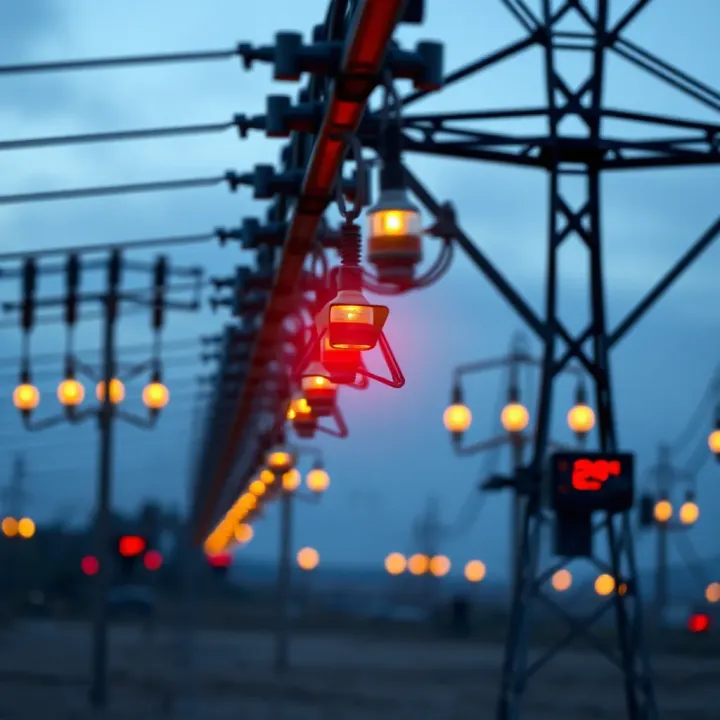
South Africa’s Eskom faces frequent loadshedding partly because immediate peak demand intensifies the pressure on its ageing infrastructure. Sudden surges can push generation plants beyond their operational limits or expose bottlenecks in the distribution network, forcing Eskom to cut load to avoid total system failure.
These load spikes often coincide with peak usage times — such as early morning or evening — making it harder for Eskom to maintain continuous supply, especially when maintenance backlogs or plant breakdowns reduce available capacity. Understanding immediate peaks helps financial analysts gauge the risks Eskom faces, which ripple through investor confidence and power pricing.
Immediate peak demand isn't only about total electricity usage but how quickly that usage rises. This nuance affects grid management decisions, influencing Eskom's ability to keep the lights on and shape investment outlooks in South Africa's energy sector.
By recognising these distinct elements of immediate peak demand, stakeholders from traders to economists get a clearer picture of the challenges and dynamics shaping South Africa's electricity system today.
Understanding what causes immediate peak demand is key to managing the strain on South Africa's power grid. This section breaks down the main triggers: consumption patterns at home and in industry, as well as weather and seasonal effects. Both elements play a concrete role in sudden electricity surges, especially during critical times when Eskom’s loadshedding stages are at play.
The evening spike in electricity use is a well-known phenomenon in South Africa. As the sun sets and temperatures drop, families switch on electric heaters, lights, and kettles, often all at once. This creates a sharp demand surge typically between 6 pm and 9 pm. For example, during a cold winter evening, it’s common for households to rely on electric heaters and geysers simultaneously, pushing demand to immediate highs. This pattern stresses the grid because the surge happens over a short period, challenging Eskom’s ability to supply consistent power.
In industrial settings, large machinery starting up after shutdown periods often draws a significant power load. Unlike steady, continual consumption, these start-up loads can cause sudden jolts in demand. This is particularly true in sectors like mining and manufacturing, where motors and compressors require large bursts of electricity to get running. A mine shaft’s winding engine, for example, draws heavy current right at start-up, impacting the surrounding grid area disproportionately, especially during after-hours when residential demand also spikes.
Cold spells significantly increase electricity demand as households crank up heating devices. When temperatures plummet suddenly, electric heaters and heat pumps work overtime—causing instant peaks. This is quite visible during South African winters in Gauteng or the Highveld, where chilly nights often see energy demand soar quickly as homes and offices try to maintain warmth.
On the other hand, hot days push up air conditioning use, particularly in coastal provinces like KwaZulu-Natal and the Western Cape during heatwaves. Office buildings and shopping malls running multiple air conditioning units add to the load simultaneously. For example, during a prolonged hot spell, the morning switch-on of air cons combined with office lighting and equipment can drive immediate peak demand, creating stress on power infrastructure that has to respond fast.
Both weather-related temperature swings and behavioural patterns dictate when and how these immediate peaks occur, making it vital for grid operators and consumers to anticipate and adjust usage accordingly.
By recognising these common triggers, consumers and businesses can better plan to shift demand or invest in energy efficiency, easing pressure on Eskom’s system and reducing the risk of widespread loadshedding.
Immediate peak demand puts serious pressure on Eskom’s infrastructure, revealing cracks in the system that South Africa’s power grid has struggled to overcome. These sudden surges in electricity consumption can push generation plants and the distribution network beyond their limits, raising the risk of blackouts and forcing Eskom to implement loadshedding steps. This is especially relevant during winter evenings or heatwaves when demand spikes sharply.
When immediate peak demand hits, Eskom faces the challenge of balancing supply and demand to avoid system collapse. If demand outpaces supply, it leads to forced power cuts through loadshedding, impacting households, businesses, and critical services. These rolling blackouts aim to protect the overall grid but disrupt normal functioning across the country. For example, during stage 4 loadshedding, entire neighbourhoods can be off the grid for several hours, affecting productivity and safety.
That said, frequent surges also mean Eskom has to move quickly between different loadshedding stages, adding operational complexity. This unpredictability increases the difficulty for businesses and investors to plan, translating to higher risk premiums.
Sudden spikes in electricity draw force power stations to ramp output quickly, often beyond optimal operating conditions. This accelerates wear and tear on turbines and generators, increasing maintenance costs and downtime. Over time, the ageing power plants suffer more frequent breakdowns, which reduces Eskom’s ability to meet demand reliably.
Similarly, the distribution network—transformers, substations, and cables—experiences higher loads during peak moments. This can cause faults and outages, necessitating costly repairs or replacements. The strain also heightens the risk of damage during load drops, making the network less resilient.
Higher immediate peak demand translates into higher operating costs for Eskom, and these are often passed to consumers through tariff increases. Businesses with energy-intensive operations, like manufacturing or mining, bear much of this burden. They might invest in costly backup generators or battery systems to avoid downtime, raising overheads.
Consumers face increased electricity bills and potential losses when loadshedding disrupts working hours or refrigerator cycles, leading to spoiled food. For lower-income households, this impacts budgets sharply, especially during colder months when heating needs spike.
Loadshedding triggered by immediate peaks interrupts economic activities—factories halt production, shops close suddenly, and delivery schedules get thrown off. This ripple effect slows down the broader economy, with lost output adding up daily.
On a social level, loadshedding affects everything from studying students losing internet access, to traffic congestion from non-functioning robots, to security concerns in neighbourhoods plunged into darkness. These disruptions degrade quality of life and create a sense of uncertainty that weighs on communities and businesses alike.
Immediate peak demand pressures Eskom’s ageing infrastructure and the grid’s fragile balance, pushing the system towards more frequent loadshedding with broad economic and social fallout.
Managing these challenges requires coordinated efforts: upgrading infrastructure, rolling out smart management tools, and encouraging consumer behaviour shifts. Understanding these risks helps investors and traders assess sector stability and the broader economic landscape in South Africa.
Immediate peak demand can bring chaos to South Africa's already stretched power grid, pushing Eskom's infrastructure to its limits. To ease this pressure, practical strategies focusing on managing consumption patterns and tapping into new technologies are essential. These approaches not only reduce the strain during critical times but also help consumers save on electricity bills and contribute to a more stable energy system.
Time-of-use tariffs and incentive programmes encourage consumers to shift their electricity use away from peak periods. For example, Eskom and municipal authorities might charge higher rates during evening peaks when the demand surges. Conversely, lower tariffs during off-peak hours incentivise users to, say, run washing machines or charge electric vehicles late at night. This incentivising has proved effective in other contexts, such as in Gauteng where some businesses adjust operational hours to benefit from cheaper tariffs.
Moreover, incentive programmes can motivate households and industries to install smart systems that automate load shifting, reducing immediate peaks without sacrificing convenience. Such programmes often offer rebates or discounts for installing energy-efficient timers or adapting their usage habits.
Promoting energy-efficient appliances and behaviours is another crucial tactic. Appliances meeting energy star standards consume less power, thereby lowering the immediate load on the grid. Replacing old geysers with solar water heaters or heat pumps can slash electricity use significantly, especially during winter when heating demands spike. Small behavioural changes, like switching off unnecessary lighting or unplugging devices, also collectively shave peak consumption.
Educating users about these benefits is key, as many may not realise how their daily habits contribute to sudden demand spikes. For instance, stirring that bakkie’s engine on early mornings to warm it up pulls less power than cranking several appliances simultaneously.
Smart meters and load monitoring enable real-time tracking of electricity consumption, helping both consumers and grid operators to identify peak times and adjust usage accordingly. Smart meters provide detailed insights into when and how electricity is used, allowing users to receive alerts or adopt automated controls to avoid costly peaks. This technology also supports utilities in balancing supply and demand more efficiently, limiting unnecessary loadshedding.
In South Africa, growing rollouts of smart meters in residential and commercial areas offer promise. For example, some office buildings remotely manage heating and cooling systems based on grid signals, cutting peak demand without compromising comfort.
Integration of solar and battery storage solutions can significantly ease immediate peak demand pressure. Solar panels generate electricity during the day, which can be stored in batteries for use during peak evenings. This self-supply reduces dependence on Eskom’s grid during critical times.
Hybrid setups combining rooftop solar with battery banks allow households and businesses to smooth out consumption patterns. During load shedding or spikes, these systems kick in seamlessly, keeping essential appliances running. For instance, a retailer in Cape Town using solar and batteries noted a marked drop in peak-period grid draw, contributing to system stability and cutting operational costs.
Adopting these strategies requires collaboration between consumers, utility providers, and government bodies. Together, they form a practical front to manage immediate peak demand and safeguard South Africa's power future.
South African consumers play a critical role in easing the pressure on Eskom’s power grid during immediate peak demand periods. By adjusting daily habits and adopting energy-wise practices, households and workplaces can reduce sudden surges, lowering the risk of loadshedding and improving overall grid stability. Beyond individual benefits like smaller electricity bills, collective consumer action also makes a measurable impact on national supply security.
Shifting appliance use to off-peak hours helps spread electricity usage more evenly throughout the day. For example, running dishwashers, washing machines, or geysers late in the evening or early morning instead of during peak periods (typically early evenings) can significantly reduce demand spikes. Many municipalities and Eskom have implemented time-of-use tariffs, where electricity costs less in off-peak times, providing a financial incentive to adjust appliance schedules. Businesses, especially those with flexible production hours, can also stagger machine start-ups to avoid coinciding with household peak usage.
Using energy-saving lighting and heating methods is another effective way to reduce immediate peak loads. Replacing incandescent bulbs with LED alternatives cuts electricity consumption sharply, especially during winter evenings when lighting demand spikes. For heating, portable electric heaters tend to draw heavy current initially; instead, consumers can opt for gas or paraffin heaters where safe and possible. Using thermostats to moderate indoor temperature rather than overheating rooms also helps. Even simple steps like worn insulation or draught-proofing on windows reduce heating needs and ease grid strain.
Educational campaigns and neighbourhood programmes raise awareness about immediate peak demand and encourage behaviour change. Local municipalities or non-profits often run initiatives during high-risk seasons, informing communities about how and when to conserve energy. Such programmes might include flyers outlining advised usage times or demonstrations on efficient appliance use. Community forums and social media groups provide platforms to share tips and motivate each other to adapt energy habits.
Collaborative load shedding and conservation efforts involve neighbours or local businesses coordinating to reduce consumption simultaneously during critical periods. For instance, a community might organise voluntary load reduction hours or promote switching off non-essential appliances during Eskom’s loadshedding stages. Coordinated efforts intensify the overall drop in demand, which can delay or minimise blackout duration in specific areas. These collective actions nurture a sense of shared responsibility and resilience against power supply interruptions.
Consumers who understand their power usage patterns and take even small steps to adjust behaviour can help South Africa’s power grid weather immediate peak demands more steadily. This isn’t just about saving costs; it contributes to national energy security and keeps businesses running smoothly during tough periods.
By taking practical action and joining community initiatives, South Africans can play an active part in balancing demand swings and cushioning the power system from sudden stress.
Explore Stacey Burke's journey 🌟, her achievements 🏆, community efforts 🤝, challenges faced 🚧, and future plans 🔮 shaping her field's impact.

Explore Squared Financial in South Africa 🇿🇦: detailed insights on services, trading platforms, client engagement, regulations, and risk management.

Explore evolving space markets 🚀, key players, tech advances, and how South Africa 🇿🇦 can join and benefit from this growing industry.

📈 Discover smart trading tips tailored for South African investors. Learn effective strategies, manage risk, control emotions, and use tech for better decisions.
Based on 10 reviews