

Understanding Squared Financial in South Africa
Explore Squared Financial in South Africa 🇿🇦: detailed insights on services, trading platforms, client engagement, regulations, and risk management.
Edited By
Amelia Clark
The FNB eWallet is a handy service that lets you send and receive money without the need for a traditional bank account or physical card. It's particularly useful for those who want instant access to cash or need to support family and friends across South Africa, including in rural areas where banking infrastructure can be patchy.
Withdrawals from your FNB eWallet are straightforward but require some knowledge of the process to avoid unnecessary fees or delays. Unlike standard bank accounts, you don’t carry a card, so accessing cash involves alternative methods tailored for convenience and security.
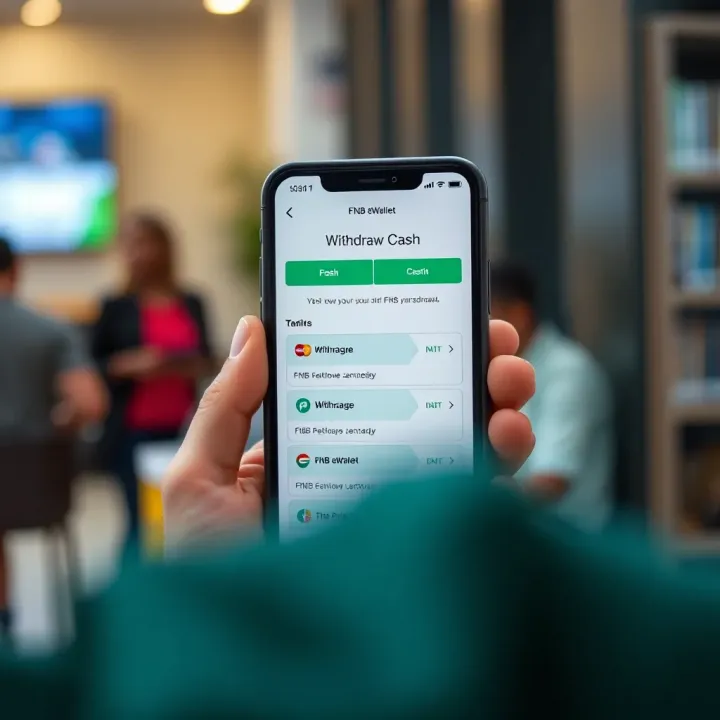
Remember, the FNB eWallet service is designed to make banking more inclusive, especially for people who might not have a formal account. Understanding how to pull money from your eWallet gives you financial flexibility without the usual hassles.
Here’s a snapshot of what the withdrawal process entails:
Eligibility: You must be registered with FNB and have an active eWallet. Registration can be done online or via USSD on your mobile.
Cash Access: Since there's no card, you withdraw cash at participating retail stores and FNB branches using your mobile number and a unique PIN.
Fees: Withdrawing money usually incurs minimal fees, often lower than traditional bank charges, but it varies depending on the withdrawal point.
In this guide, you’ll find clear steps to withdraw your funds quickly and safely, along with tips on avoiding common pitfalls. Whether you’re an investor managing liquidity or someone supporting family in a township, knowing how to operate your FNB eWallet efficiently can make a real difference in accessing your money.
Grasping how the FNB eWallet works and what it offers is key when you want to use it effectively, especially for withdrawing money. It's not just another digital wallet. This service provides a practical solution for those without traditional bank accounts to receive, send, and withdraw cash, making financial transactions more accessible.
The FNB eWallet is a service that allows individuals to send or receive money electronically using only a mobile number, no bank account required. Essentially, money is loaded into the eWallet, and recipients can access funds through FNB ATMs or partner retailers without the need for a physical card. This makes it ideal for informal traders or people living in areas where traditional banking services are thin on the ground.
Importantly, the system generates a withdrawal code sent via SMS, which helps a user withdraw cash from machines or approved outlets. This digital code replaces a bank card at an ATM, providing convenience and security.
Since the eWallet operates through mobile numbers, users can move money between phones, regardless of whether both parties have bank accounts. For example, a customer selling fruits in a township can receive payments directly into their eWallet, which they later withdraw as cash.
This feature fills a gap for many South Africans who remain unbanked but regularly exchange money, offering a safer way to handle transactions compared to carrying cash or relying on informal credit systems.
Anyone with a South African cellphone number and valid ID can receive money into an FNB eWallet, even without an FNB account. Sending money typically requires an FNB bank account, but receiving and withdrawing is more inclusive. This opens up financial services to a wider audience, from rural communities to urban informal traders.
That said, certain conditions apply, like linkage to your mobile number and secure withdrawal code, which protect users and help prevent unauthorised access.
One of the main benefits is offering financial access to people who don’t hold a traditional bank account. Rather than needing to open an account, which can be a hurdle due to documentation or cost, users can receive money directly and withdraw it at ATMs or partner stores. This system provides a practical, simple solution for many who might otherwise rely on cash-in-hand only.
The eWallet simplifies sending and receiving money; using just phone numbers means you avoid unnecessary intermediaries or paperwork. It supports fast, straightforward transactions—perfect for small business owners or travellers who need to send funds quickly or receive support from family.
The option to withdraw cash from FNB ATMs without a bank card stands out. Withdrawals using a temporary code from the eWallet make it possible to access funds safely and conveniently, wherever there’s an FNB ATM nearby. For example, a market trader who received payments through the eWallet can withdraw money without queuing or getting into complex banking processes.
The FNB eWallet bridges a vital gap in South Africa’s financial ecosystem, providing an accessible, cardless way to handle money that suits many who live beyond traditional banking.
This section lays the foundation to understand how you can make the most of the eWallet, especially the withdrawal process, which comes next in the guide.
Understanding the withdrawal process for your FNB eWallet is vital to ensure quick and hassle-free access to your funds. This guide breaks down the practical steps you need, whether using an ATM, visiting a branch, or going to a partner outlet. It saves you time and avoids common pitfalls, especially if you're new to the eWallet system or prefer cash without a bank card.
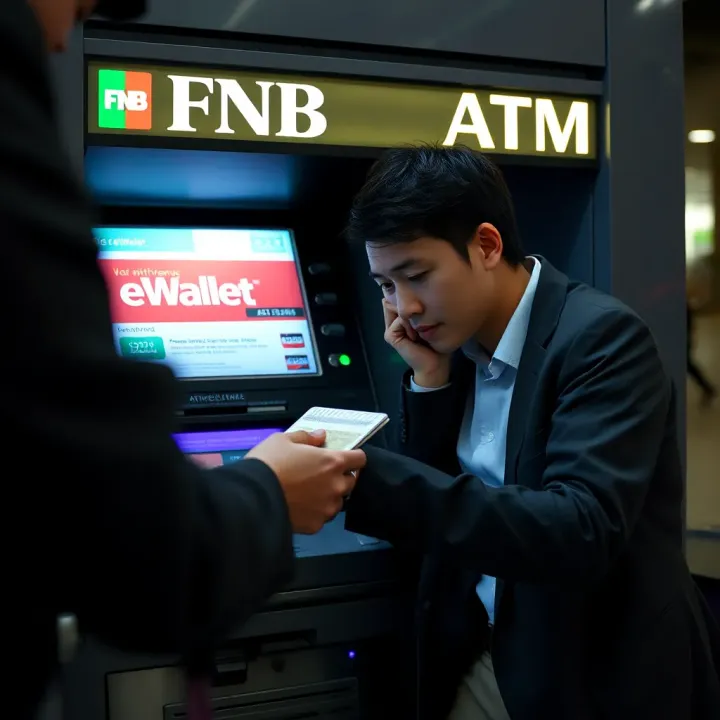
Before you can get your cash, you need to find an FNB ATM. These are generally widespread in shopping centres, petrol stations, and busy streets across South Africa. Using FNB’s website or banking app helps pinpoint the closest ATM with the eWallet withdrawal feature, saving you unnecessary trips to machines that don’t support cardless transactions. For instance, if you’re in Johannesburg’s Sandton area, you’ll find a cluster of ATMs within walking distance inside malls or near robot intersections.
Once at the ATM, select the ‘eWallet’ option rather than using a bank card. This feature is specifically designed for customers to withdraw cash via a code sent to their mobile device – no physical card needed. This method is especially handy during busy periods or loadshedding when queues at counters are long, as it lets you access cash independently.
After selecting the eWallet option, the ATM will prompt you to enter a unique withdrawal code SMS’d to your mobile phone. This code replaces the traditional PIN and confirms your identity. It’s crucial to enter this correctly, as multiple incorrect attempts could lock your access temporarily. The code is valid only for a short time, so plan your visit accordingly.
This process lets you collect your cash without a bank card or ATM pin. The withdrawal amount reflects the money available in your eWallet, making it perfect for users who don’t have full bank accounts but need reliable cash access. For example, traders in informal markets can withdraw daily takings without the hassle of banking formalities.
If you prefer dealing with personnel, you can visit an FNB branch or authorised partner outlet. Here, you’ll present a valid ID book or smart ID and the withdrawal code received on your cellphone. Staff will verify your details before handing over the cash. This human element provides added comfort for those wary of machines or when technical issues arise.
Withdrawal limits vary depending on your eWallet type and transaction settings. Generally, branches may allow slightly higher limits than ATMs but require strict ID verification to comply with financial regulations like FICA (Financial Intelligence Centre Act). Ensuring you bring the proper identification helps avoid delays in accessing your funds.
FNB has partnered with various retailers and agents, such as certain convenience stores or spaza shops, to offer cash withdrawals. These outlets follow similar procedures: present your ID along with the eWallet withdrawal code and specify the amount needed. This setup expands access, especially in areas where branch visits or ATM use might be challenging, making cash withdrawals more accessible in everyday locations.
Using these withdrawal options effectively means you have practical, flexible ways to access your money anytime. Whether at an ATM, branch, or a trusted partner, the FNB eWallet ensures your cash is never out of reach.
When dealing with FNB eWallet withdrawals, knowing the fine print is just as important as understanding the basic withdrawal steps. This section covers withdrawal limits, associated fees, and crucial security pointers that can help traders, investors, and financial analysts manage their cash flow smoothly and securely.
FNB sets specific daily and per-transaction limits on eWallet withdrawals to manage risk and ensure fair access. Typically, you can withdraw up to R5,000 per transaction and a maximum of R10,000 in total per day. For example, a trader who needs to cash out frequently might have to space out withdrawals to fit within these caps. Keeping track of these limits helps avoid declined transactions at ATMs or branches, preventing inconvenience during peak trading times.
It's important to expect modest fees when withdrawing from your eWallet. For instance, ATM withdrawals usually attract a fee of about R10 to R15 per transaction. Branch withdrawals might cost a bit more, ranging from R20 to R30 depending on the location and transaction size. These fees can impact frequent users, so plan withdrawals carefully to minimise unnecessary charges.
There is a noticeable difference between ATM and branch withdrawal fees. ATMs tend to be cheaper due to automation, making them a preferred choice for regular traders accessing smaller amounts. Branch withdrawals, while more expensive, are useful for those who want assistance or larger cash amounts, especially when an ATM isn't nearby or when withdrawing outside standard limits. Knowing this helps business owners balance cost with convenience.
The withdrawal code acts as a key to access your funds, so protecting it is vital. Never share your code via SMS or with untrusted persons. For example, if a trader receives unsolicited requests for the code, that's a red flag. Store the code securely, preferably offline, and only retrieve it when needed to avoid falling into scams.
Always verify transactions to ensure your eWallet withdrawals are authorised. Check your balance regularly, especially after withdrawals. If something seems amiss, such as withdrawals you don't recall making, contact FNB immediately. Traders relying on quick transaction cycles should make this a daily routine.
Fraudsters often target eWallet users by sending phishing messages or calling with fake offers. Avoid clicking on suspicious links or giving out codes over the phone. For instance, if someone claims to represent FNB but pressures you to share details urgently, it's likely a scam. Staying alert and reporting suspicious behaviour can save substantial losses.
Always treat your withdrawal code like cash — once lost or exposed, your money’s at risk. Keep your details confidential and double-check withdrawals regularly.
Understanding these finer points about withdrawal limits, fees, and security helps professionals and traders use the FNB eWallet effectively while safeguarding their funds against common pitfalls.
Facing hiccups when withdrawing cash from your FNB eWallet can be frustrating, especially if you rely on it for daily transactions. Understanding how to troubleshoot common problems helps you save time and avoid unnecessary trips to the bank. This section covers pragmatic steps to take when your withdrawal doesn't go as planned, ensuring you stay in control of your funds.
First, confirm that your eWallet has sufficient funds for the withdrawal. Sometimes, transactions fail simply because your balance is too low or the withdrawal amount exceeds daily limits. For instance, if your daily limit is R5,000 but you try to withdraw R7,000, the transaction will be declined. Regularly checking your balance, either via the FNB app or USSD codes, helps prevent such issues.
Make sure you enter the withdrawal code correctly, including any required characters or digits. The code is case-sensitive and usually valid for a short period, often 30 minutes. If the code has expired or you it, the system won't authorise the transaction. Double-check the code you received via SMS and try again promptly to avoid this problem.
If you've confirmed your balance and re-entered the code correctly but the withdrawal still fails, reach out to FNB’s customer support. Their agents can check for system outages, account restrictions, or errors causing the problem. Contacting them early, either through the FNB app, branch, or call centre, prevents delays and helps resolve issues faster.
If you misplace your withdrawal code, simply request a new one by sending an SMS to the designated FNB number or using the bank’s app. This step is crucial because the code is your key to accessing cash at ATMs or partner outlets. Getting a fresh code ensures your withdrawal can proceed smoothly without security worries.
The FNB app also offers an easy way to manage withdrawal codes. Through the app, you can generate codes instantly, view active codes, and cancel expired or unused codes. This keeps your eWallet secure and helps you avoid confusion. For example, traders who withdraw cash frequently find it handy to generate multiple codes ahead of time, saving time and effort during busy days.
Taking control of your withdrawal codes and understanding what to do when withdrawals fail keeps your money accessible and your transactions smooth. Knowing these troubleshooting steps gives peace of mind and ensures you can rely on your FNB eWallet for everyday use.
The FNB eWallet plays a notable role in South Africa’s evolving financial landscape. It addresses a clear need for accessible, affordable electronic payment services across a country where traditional banking access remains limited for many. Within a finance system burdened by uneven coverage, infrastructure challenges, and economic inequality, the eWallet offers a practical way to bridge these gaps while fitting into broader trends such as mobile money, cashless payments, and financial inclusion.
Many South Africans, particularly in rural areas or lower-income groups, remain unbanked or underbanked. The FNB eWallet allows these users to send and receive money using just a mobile number, without the need for a formal bank account. This is particularly relevant in locations where branches or full-service ATMs are scarce, but mobile coverage is available. For example, smallholders in the Eastern Cape can receive payments from urban family members directly to their eWallet for immediate cash withdrawal or purchases.
By providing a banking alternative through mobile technology, the eWallet can help bring financial services to people previously excluded due to a lack of documentation or credit history. This accessibility also encourages saving and faster money circulation within communities, which even informal traders can benefit from.
Informal traders in townships and locations face many hurdles with cash handling and security. FNB’s eWallet enables these traders to receive digital payments from customers without requiring a POS machine or smartphone app. This reduces the risk tied to carrying large amounts of cash during daily trades and eases record-keeping for tax or business purposes.
In towns like Soweto or Umlazi, street vendors can withdraw money from an eWallet using only a withdrawal code and ID at ATMs or partner outlets. This facility provides a safer, more convenient way for traders to access earnings and reinvest in stock or operational costs. Also, family support networks benefit by shifting away from cash handouts to eWallet transfers, helping build a more transparent and traceable financial ecosystem.
MTN Mobile Money and Vodacom’s M-Pesa are strong contenders in the mobile payments space, focusing primarily on users with mobile network SIM cards tied to their financial profiles. However, the FNB eWallet distinguishes itself by not requiring users to be MTN or Vodacom subscribers or have smartphones. You only need a South African mobile number. This broader accessibility means anyone with a mobile phone can participate.
Unlike some competitors, the FNB eWallet integrates seamlessly with full bank services for users who open accounts later. This linkage means funds can smoothly move between full banking products and the eWallet service, providing a practical stepping stone from informal to formal banking.
For existing FNB clients, the eWallet service extends payment and cash withdrawal capabilities to friends and family who may not have accounts. Users benefit from security features such as single-use PINs for withdrawals and alerts for transactions.
Additionally, FNB’s established ATM network throughout South Africa offers eWallet users easy access to cash without bank cards, a convenience not always available with rival services. This extensive footprint, combined with FNB’s customer service infrastructure, makes the eWallet a reliable choice for digital payments that still tie back to traditional banking support.
In sum, the FNB eWallet is not just a payment method but part of a broader shift towards inclusive, accessible finance tailored to South Africa’s unique socioeconomic context. It effectively bridges gaps for the unbanked, supports informal commerce, and competes well against other mobile money platforms through its inclusive design and bank integration.
Explore Squared Financial in South Africa 🇿🇦: detailed insights on services, trading platforms, client engagement, regulations, and risk management.

Explore Scope Markets in this detailed review: fees, platforms, support & assets tailored for South African traders 🇿🇦 Make informed investing choices today!

💸 Learn what a short paid transaction means in finance, why it happens, its effects, and practical ways to resolve and avoid disputes in South Africa.

Explore Sam Seiden's unique trading strategies, educational impact, and legacy in forex and stocks, helping traders sharpen their skills worldwide 📈🌍
Based on 6 reviews