
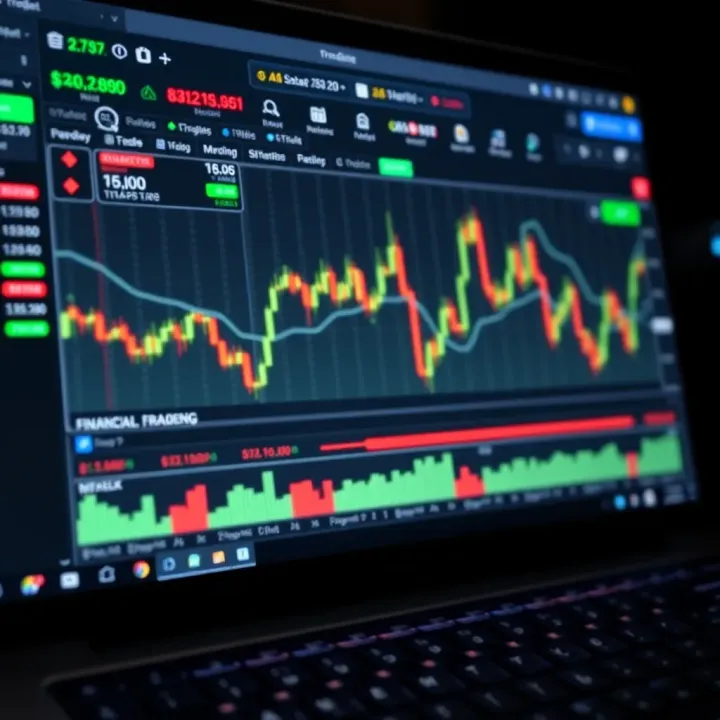
Pocket Option Guide for South African Traders
Explore Pocket Option's features, account setup, and smart trading tips tailored for South African traders 🤑📈 Get practical advice to trade confidently!
Edited By
Thomas Greaves
IQ Option is an online trading platform that's grown popular worldwide, including here in South Africa. It gives you access to various financial products like options, forex, stocks, and cryptocurrencies, all in one place. Many traders appreciate its user-friendly interface and relatively low minimum deposit, which makes it accessible for beginners and experienced users alike.
The platform operates by letting you speculate on price movements within set time frames. For example, with binary options, you predict whether an asset’s price will be higher or lower than the current price after a specific period. It’s a straightforward approach but carries significant risks if you don’t manage your trades properly.
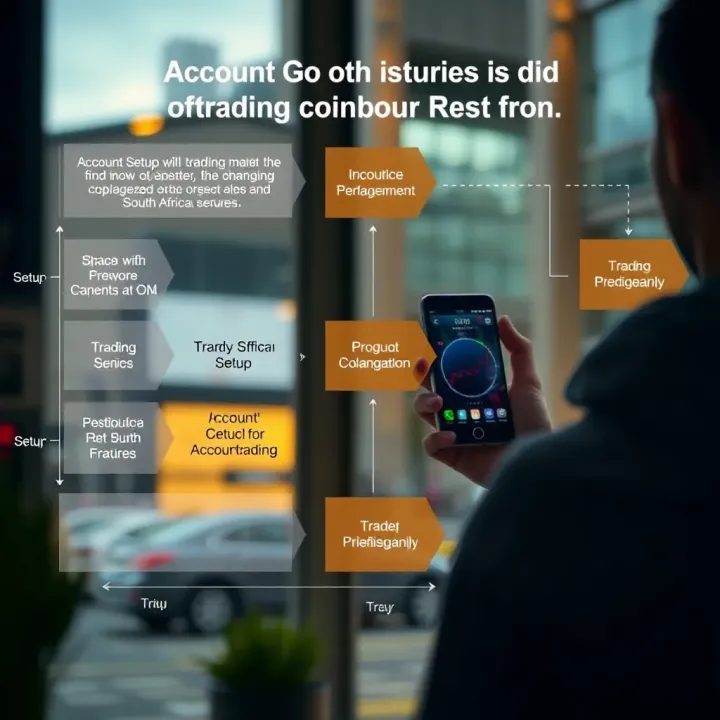
South African traders often find IQ Option attractive because it provides access to global markets without the need for complicated brokers or large capital outlays. You can start with as little as R150, though remember that trading involves risk, and it’s wise to only invest what you can afford to lose.
Setting up an account is relatively quick. You need to provide basic details and verify your identity, aligned with South Africa’s Financial Intelligence Centre Act (FICA) requirements. The platform supports South African Rands (ZAR), which helps manage currency conversion issues.
IQ Option’s features include a robust charting system, real-time quotes, and various technical indicators to help you make informed decisions. There’s also a demo account that lets you practise risk-free before risking actual money. This tool is essential for honing trading strategies without the pressure.
Successful trading on IQ Option hinges on understanding both the product you’re trading and the platform’s tools. Poor risk management often leads to quick losses.
Among the types of trades offered are:
Options trading: Predict if prices go up or down within set expiration times.
Forex trading: Trade currency pairs like USD/ZAR or EUR/USD with leverage.
Stocks and ETFs: Gain exposure to major companies listed worldwide.
Cryptocurrency trading: Access major cryptos such as Bitcoin, Ethereum, and Ripple.
On the downside, IQ Option’s trading might face occasional interruptions due to local internet instability or Eskom loadshedding. Users should prepare backup power solutions or stable mobile data connections.
Overall, IQ Option offers an accessible gateway for South African traders to global markets, with real tools and low entry barriers. But like any financial venture, knowledge, caution, and experienced judgement remain vital.
Understanding what IQ Option offers and how its platform functions is key for traders looking to navigate this space effectively. This overview gives a snapshot of the trading tools, options, and accounts available, all of which shape the user experience and trading outcomes.
IQ Option provides access to a variety of financial instruments, including digital options, forex pairs, cryptocurrencies, stocks, and ETFs. This diversity lets traders spread risk or focus on specific markets depending on their strategy. For example, a trader might combine forex trades with a few tech stocks to balance volatility in a portfolio. Such flexibility is essential in unpredictable markets.
IQ Option’s platform has a clean, straightforward interface designed for both beginners and seasoned traders. It's accessible via web browsers on desktop as well as dedicated mobile apps for iOS and Android. This means you can monitor trades and react to market moves whether you’re at home or on the go. The platform supports multiple languages and offers customisable chart views which help to tailor the trading experience to your needs.
IQ Option offers a demo account loaded with virtual funds to practise trading without risking real money. This feature is invaluable for newcomers to get familiar with trade types and platform navigation. It also helps experienced traders test new strategies under live market conditions with zero financial exposure. The demo mimics real-time pricing, giving a genuine sense of market dynamics.
Once ready to trade for real, you’ll need to open a live account. IQ Option requires basic personal information and identity verification documents—such as a South African ID and a proof of address—to comply with Anti-Money Laundering (AML) and Financial Intelligence Centre Act (FICA) rules. This process ensures your account’s security and smooth transactions, including deposits and withdrawals. Verification can take a couple of days, so it’s wise to prepare your documents ahead.
Getting to grips with IQ Option’s platform and account setup lays the foundation for responsible, confident trading. The platform’s asset variety, user-friendly interface, and regulated account verification work together to create a balanced trading environment for South African investors.
Understanding the variety of trade types on IQ Option is vital for any trader aiming to use the platform effectively. Each trade type comes with its own set of rules, risk profiles, and potential rewards. By knowing what each option entails, traders – especially those in South Africa navigating fluctuating markets and exchange rates – can make better-informed decisions and tailor their strategies accordingly.
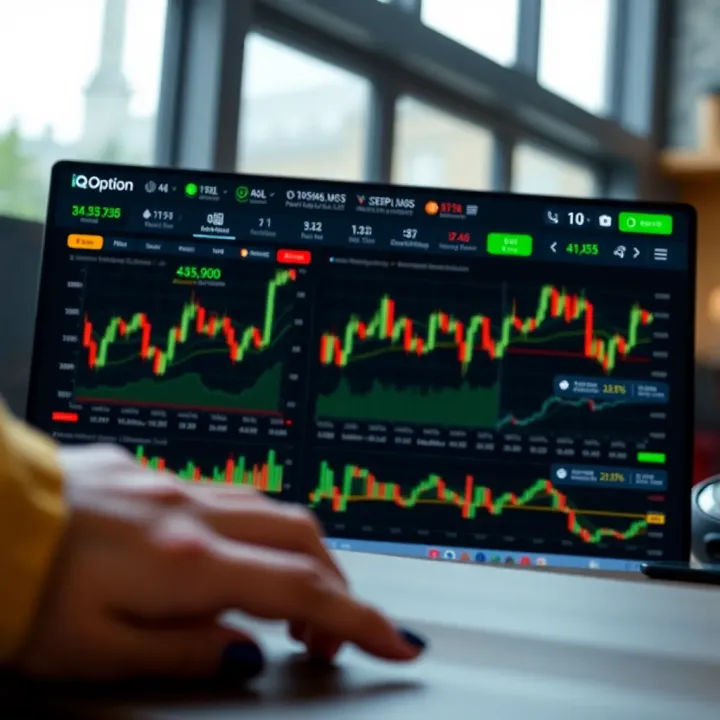
Predicting price direction within a set time frame is at the heart of digital options trading on IQ Option. Essentially, you speculate if an asset’s price will go up or down by the end of a fixed period, which can range from 60 seconds to several hours. For example, if you believe that the price of the Rand-Dollar forex pair will rise in the next 15 minutes, you place a "call" option. If the prediction is correct, you gain a return; if not, the stake is lost.
This form of trading emphasises timing and market analysis. Traders must understand both the chosen asset and the wider factors influencing its movement. Short time frames, while potentially yielding quick gains, also increase exposure to unpredictable market swings.
Potential returns and risks vary considerably with digital options. The platform usually offers fixed returns up to 92% for successful trades, which might look enticing compared to traditional investing. But the catch is the all-or-nothing nature: if the price moves against your prediction, you lose the entire investment on that trade.
Such risks demand disciplined money management and a clear exit strategy. For instance, a trader might decide to limit daily losses to protect their capital. It’s a fast-paced trading style, best suited to those who understand market volatility and are prepared for occasional setbacks.
Forex trading basics on IQ Option are straightforward but require sound knowledge. Forex pairs, like EUR/USD or ZAR/USD, are traded based on their price fluctuations. IQ Option allows users to buy or sell these pairs with leverage, boosting buying power but also increasing risk. South African traders find forex attractive as it operates 24/7, letting them react to global events outside local trading hours.
Cryptocurrency trading features on IQ Option give access to popular coins such as Bitcoin, Ethereum, and Ripple. These assets are known for their wild price swings. Unlike digital options, crypto trades on the platform usually allow holding positions for longer, giving traders room to capitalise on both up and down markets. But careful timing, and being mindful of spreads and the volatile roadmap from news or regulations, are critical.
Stocks and ETFs on IQ Option cater to those interested in more traditional investments. Stocks of major companies across various industries and ETFs (exchange-traded funds) provide exposure to broader market segments. This suits traders wanting to diversify beyond forex or crypto. While often less volatile than options, stock and ETF trades still require monitoring, especially during earnings seasons or economic shifts affecting the JSE or international markets.
Knowing the variety of instruments IQ Option offers helps build a balanced trading plan. It’s about mixing different assets and trade types to spread risks and identify opportunities tailored to your experience and market view.
For anyone diving into online trading, knowing how to make the most of IQ Option's platform is a must. The platform's design caters both to rookies and seasoned traders, but its real strength lies in how smoothly you can navigate it and apply its tools. On top of that, clear understanding of placing trades and interpreting market signals helps you avoid unnecessary losses and spot chances to profit quicker.
When you start placing trades, the first thing is picking the right asset. IQ Option offers a broad selection — from forex pairs like USD/ZAR to popular stocks and even cryptocurrencies like Bitcoin. Picking an asset depends on your strategy, current market news, or familiar industries. For example, if you follow mining shares on the JSE, you might choose to trade Anglo American shares.
Once the asset is chosen, setting the trade amount is vital. Keep in mind IQ Option allows investments as low as R10 per trade, which is great for testing strategies without risking too much. Setting your amount should reflect your risk tolerance — don't go all in on one trade but rather spread your capital wisely across several trades.
Next comes setting the trade expiry and monitoring your open trades. IQ Option lets you decide how long your trade will last — options range from 1 minute up to several hours. Short expiry suits fast scalping strategies, but longer expiry might work better if you're watching fundamental events unfold. While trades run, the platform's interface gives you real-time updates, so you’re not flying blind. Keeping an eye on your open positions means you can react quickly, especially in volatile markets like forex during VAT rate changes or sudden Eskom announcements.
IQ Option stands out by providing various chart types to read market data: line, candlestick, and bar charts. Candlestick charts are especially popular among South African traders since they reveal patterns about price action clearly and are used widely for technical analysis. Alongside, the platform offers indicators like Moving Averages, Bollinger Bands, RSI (Relative Strength Index), and MACD (Moving Average Convergence Divergence). Each helps interpret price trends or possible reversals, which is a huge help when the market is unpredictable.
On top of these, traders can customise their analysis tools to suit the style they prefer. For instance, if you’re a day trader focusing on quick gains, you might use shorter time frames combined with momentum indicators to spot entry and exit points. Meanwhile, those who trade less frequently might prefer longer time frames and a simplified set of indicators to avoid noise. Adjusting things like chart time-steps or combining several indicators can turn generic data into actionable info that fits how you trade best.
Using IQ Option's tools well isn't just about knowing what buttons to press—it means tailoring the platform to fit your approach and your market view. This hands-on familiarity boosts confidence and sharpens decision-making, especially in a fast-moving environment.
By mastering these platform basics, you set a foundation not only to trade but to improve and adapt your approach as market conditions change.
Trading on IQ Option carries both upsides and challenges, making it vital for traders to understand the platform's risks and benefits before diving in. This balance helps traders navigate the market wisely, manage expectations, and avoid unnecessary losses.
The markets accessible on IQ Option—be it forex, stocks, or cryptocurrencies—are famously volatile. Price swings can be sudden and steep, sometimes moving against your trade within seconds. For example, a South African trader betting on a cryptocurrency pair might see significant fluctuations due to global news or shifts in investor sentiment, which can quickly turn a profitable trade into a loss.
Volatility isn't inherently bad; it creates opportunities to profit, but it also demands caution. Understanding that markets don’t follow a predictable path is crucial. Traders should avoid overexposing themselves, especially during high volatility periods like economic announcements or unexpected events impacting global markets.
Losses are part and parcel of trading; no platform or strategy guarantees consistent wins. What's key is managing those losses responsibly. IQ Option allows traders to set stop-loss orders, helping limit potential downsides. For instance, if you’re trading a digital option and the market starts going against your prediction, a stop-loss can prevent further losses beyond a set point.
Responsible trading also means not risking more than you can afford to lose and avoiding emotional decisions. It’s wise to start small, with amounts you’re comfortable writing off. Practising on IQ Option's demo account can build discipline and strategy without risking real money.
One of IQ Option’s strengths is offering a range of assets all in one place. From forex pairs like USD/ZAR to South African company shares or cryptocurrencies like Bitcoin, having this variety helps you diversify your portfolio without juggling multiple platforms.
This accessibility reduces fees and complexity. Rather than opening separate accounts for each asset class, you can switch between markets seamlessly, which is handy during times when certain markets are closed or facing instability.
IQ Option’s low minimum trades—sometimes as little as R15—make it approachable for South Africans wanting to test waters without a hefty upfront investment. This is especially beneficial for new traders who want exposure without risking large sums immediately.
Coupled with the free demo account, this feature lets you practise strategies and get comfortable with the platform’s tools in a risk-free setting. Many traders use the demo to understand timing, analyse charts, and refine their decisions before committing real money, which can significantly improve confidence and reduce careless errors.
Taking time to weigh these risks and benefits can make a real difference. IQ Option can be a useful tool if used wisely, but it requires cautious, informed use and self-discipline to work in your favour.
Navigating IQ Option in the South African context requires more than just knowing how to place trades. Local payment options, realistic planning, and awareness of regulatory frameworks all play crucial roles. These tips help traders manage their money safely, build their skills steadily, and comply with local laws to avoid surprises down the line.
IQ Option accepts several payment methods that South Africans can easily use. Common options include bank cards such as Visa and Mastercard, as well as e-wallets like Skrill and Neteller, which many local traders find convenient for quick deposits. Additionally, some traders use local bank transfers or services like PayPal, though availability might depend on account verification and currency settings. Choosing the right method means balancing ease, costs, and speed of transactions.
Withdrawing your earnings from IQ Option generally involves similar methods to funding your account. Most withdrawal requests are processed within 1–3 business days. However, delays can occur during weekends or public holidays. Notably, some methods, such as e-wallets, tend to process faster than bank transfers. South African traders should keep transaction fees and currency conversion rates in mind, as they may affect how much you receive finally.
Successful trading begins with achievable targets. South African traders should determine how much capital they’re willing to risk daily or monthly, using stop-loss orders on IQ Option to manage those limits. Setting clear withdrawal goals and loss limits also helps prevent emotional decision-making. For example, deciding to risk no more than R2,000 per week can keep losses manageable even in volatile markets.
IQ Option offers a demo account loaded with virtual funds, allowing you to practice trading without risking real money. This feature is particularly useful in the South African context, where new traders may face unfamiliar market conditions or currency fluctuations. Using the demo account lets you try out strategies, learn how expiry times affect options trades, and get comfortable with the platform before risking real cash.
Income from trading on IQ Option is taxable under South African law. If you trade professionally or frequently, SARS may treat your profits as business income, subject to income tax. Casual traders might declare profits as capital gains. Keeping accurate records of deposits, withdrawals, and trades is key for tax filings. Tax season can be tricky, so speaking to a tax adviser who understands trading income helps you meet SARS’ requirements correctly.
South African financial authorities don’t licence IQ Option directly, so local protections under the Financial Sector Conduct Authority (FSCA) don’t apply as strictly. This means your funds may not be covered by local investor protection schemes. Hence, it’s crucial to only trade with amounts you can afford to lose and to verify the platform’s licensing status internationally. Staying informed about updates from the FSCA and SARS will keep you aware of any regulatory changes impacting your trading activities.
Trading on IQ Option in South Africa demands careful planning, local awareness, and disciplined risk management. By choosing suitable payment methods, practising with a demo account, setting realistic goals, and understanding tax and regulatory rules, you boost your chance of a safer, more confident trading experience.
Explore Pocket Option's features, account setup, and smart trading tips tailored for South African traders 🤑📈 Get practical advice to trade confidently!

📈 Learn trading basics, strategies, and risk management in our practical guide series. Ideal for anyone ready to trade confidently in South African markets.
Explore synthetics trading 📊: key concepts, types, tech, risks & tips tailored for South African investors aiming to navigate modern financial markets confidently.

Explore PocketOption's features, account types, trading tools, and security measures. Get tips on risk management and costs for South African traders 📊💼🇿🇦
Based on 15 reviews