

Understanding Gold Price Predictions Today
💰 Understand today’s gold price predictions: factors like economy, market trends & geopolitics influence prices. Learn how to interpret forecasts for smarter investing.📈
Edited By
Sophie Bennett
Gold remains a key asset in portfolios, especially in uncertain times. Today’s gold price forecasts carry weight for traders, investors, and financial analysts as global shifts constantly reshape market dynamics. Understanding what moves gold prices now can help you make smarter decisions.
At present, several major factors influence gold prices. These include global economic indicators like inflation and interest rates, shifting supply and demand, geopolitical tensions, and local elements such as South African rand fluctuations. For example, when the rand weakens against the US dollar, imported gold often becomes pricier locally, affecting investment appetite.
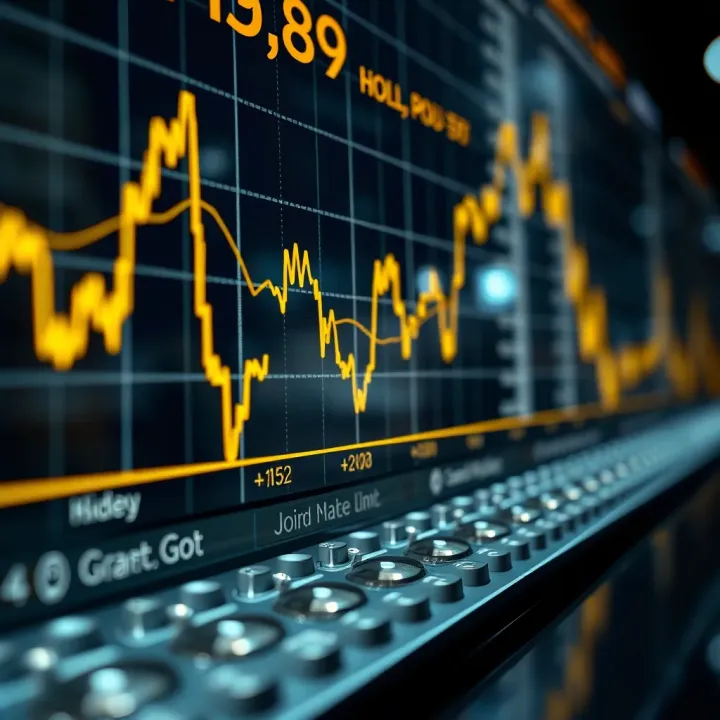
Forecasting gold prices isn’t straightforward. Analysts typically combine technical analysis, like chart patterns and moving averages, with fundamental data — such as central bank gold reserves or mining output. These methods provide a balanced view, allowing market participants to anticipate possible swings.
“Gold often acts as a hedge during times of South African load-shedding and political uncertainty, reflecting investor sentiment more than pure supply factors.”
For South African investors, it’s vital to monitor both global and domestic developments. The SARB’s monetary policy, inflation reports, and political events can all shift gold’s appeal. Locally, investors should also consider VAT on gold products and the dynamics of Johannesburg’s gold market.
Here’s a snapshot of what to watch today:
Global economy: Inflation rates in the US and China
Interest rates: Decisions by the US Federal Reserve and SARB
Currency: USD-ZAR exchange rate volatility
Supply-demand: Mining production trends and ETF holdings
Geopolitical risks: Conflicts or tensions impacting safe-haven demand
To sum up, forecasting gold prices requires a blend of economic know-how and awareness of local conditions. Keeping an eye on these influences equips you to navigate the metal’s market with more confidence and less guesswork. Whether you’re trading futures or building a hedge, staying informed about today’s moving parts can make a real difference.
Understanding current trends in gold pricing is essential for anyone dealing in the precious metals market, especially traders, investors and financial analysts. These trends reveal not only the immediate market sentiment but also hint at potential future movements influenced by a multitude of factors worldwide. For South African investors, keeping an eye on these trends offers practical benefits, allowing them to time their purchases or sales better and manage risks associated with currency fluctuations and economic shifts.
In recent months, gold prices have shown a moderate upward trend globally, driven partly by concerns over inflation in major economies and geopolitical tensions. For example, between January and March 2024, gold climbed roughly 7% as investors sought safe havens amid growing uncertainty in the US Federal Reserve’s interest rate policies. This uptick is typical when equities markets face volatility, as gold often acts as a hedge against traditional asset drops.
Locally, the Rand’s performance plays a big role in gold price fluctuations on the South African market. When the Rand weakens against the US Dollar, gold prices in Rand terms tend to rise. Such movement encourages local miners and traders to reevaluate their positions accordingly. For instance, when the Rand slid past R19.50 to the dollar in early April, gold prices in South Africa saw an immediate surge, reflecting both currency pressure and a global uptick.
Gold's short-term price behaviour tends to be choppy, affected by quick shifts in investor sentiment and speculative trading. Volatility often spikes around key economic announcements like US inflation data, South African Reserve Bank (SARB) rate decisions, or unexpected political events. A practical case was seen in mid-April 2024, when gold prices jumped nearly 2% in a single day following a backwards revision of US GDP growth figures.
Traders should note that such volatility, while unsettling, provides opportunities for quick gains but requires disciplined risk management. The swift moves are often amplified by automated trading platforms and the global interconnectedness of markets. An example is how Asian market openings can reshape gold prices before Johannesburg’s trading day begins.
Observing these current trends helps investors avoid surprises and make informed decisions that align with their portfolios’ risk profiles.
In summary, tracking recent gold price movements and understanding their short-term behaviour offers practical insights. It equips investors and traders with the tools to anticipate market reactions, particularly in the South African context where local currency effects add another layer of complexity.
Understanding what moves gold prices today is essential for traders and investors aiming to navigate this market effectively. Several key factors shape the price of gold, from broad economic trends to local currency shifts and the nuts and bolts of gold mining supply. Each aspect carries practical implications that influence buying and selling decisions.

Global economic indicators like inflation rates, interest rates, and geopolitical tensions have a strong influence on gold prices. For example, when inflation rises faster than interest rates, investors often turn to gold as a hedge against currency devaluation. During 2023, persistent inflation in major economies such as the US and Eurozone led to sharp spikes in gold prices as the metal’s safe-haven appeal intensified. Likewise, geopolitical uncertainties—say, supply chain disruptions from conflicts or trade wars—can cause market jitters that push investors towards gold.
Currency movements play a major role, particularly the South African Rand (ZAR). When the rand weakens against the US dollar, gold pricing in rands tends to soar because gold is priced internationally in dollars. For South African investors or jewellery buyers, this means more expensive gold imports and potential sell-offs when the rand strengthens again. Take the 2023 period when ZAR volatility surged due to Eskom’s loadshedding and political shifts; these fluctuations directly affected local gold prices and investment strategies.
A weak rand often makes local gold mining stocks attractive as their revenue increases when converted back to rands, even if global gold prices stay steady.
The amount of gold mined and overall market demand, including central bank buying and jewellery consumption, also steer prices. South Africa's gold production has slowed over the years due to ageing mines and increased costs, tightening supply locally. Meanwhile, demand from countries like India and China for jewellery or investment bars can fluctuate seasonally, impacting global supply-demand balance. For instance, festivals and wedding seasons typically boost demand in these markets, nudging prices up. On the trade front, restrictions or changes in export regulations can cause short-term price shifts, which are especially relevant for local traders.
By keeping an eye on these key factors—economic signals, currency moves, and supply-demand fundamentals—market players can better anticipate gold price movements and tailor their strategies accordingly.
Predicting gold prices is far from guesswork; it relies on a blend of data analysis, market insight, and understanding human psychology in trading. For investors and traders, tools that aid prediction help navigate the often volatile gold market, helping them make more informed decisions. Given gold's role as a safe haven during uncertain economic times, having reliable forecasting techniques is especially relevant in South Africa, where local economic and currency factors add an extra layer of complexity.
Looking back at gold’s price movements provides a foundation for predicting future trends. Historical data reveals recurring patterns or cycles influenced by factors such as geopolitical upheavals or central bank policies. For example, if gold prices soared during previous periods of Rand weakness, investors might anticipate similar behaviour next time the Rand weakens. Analysts often use price charts spanning months or years to identify support and resistance levels, which in turn signal potential price floors or ceilings.
Technological tools like moving averages or Bollinger Bands smooth out short-term price fluctuations, helping investors focus on broader trends rather than noise. Still, past performance doesn't guarantee future results; patterns change, especially when new market factors emerge, so this analysis should be combined with other approaches.
Technical analysis focuses on charts and indicators, looking for trends, momentum shifts, and volume changes. In South Africa, a trader might track gold's intraday price against the Rand using tools like Relative Strength Index (RSI) to assess overbought or oversold conditions. Technical signals can guide short-term trades and alert investors when the market sentiment shifts abruptly.
Fundamental analysis dives deeper, examining elements like inflation rates, interest rates set by the South African Reserve Bank (SARB), and global demand or supply disruptions. For example, rising inflation expectations in SA often prompt increased gold buying as a hedge. Also, disruptions at mines, like strikes in the Free State, can affect supply, influencing prices. Combining these two methods provides a fuller picture—technical analysis offers timing cues, while fundamental factors inform longer-term trends.
Expert opinions and overall market sentiment influence gold prices notably. South African investors keep an eye on commodity analysts from institutions like Standard Bank or Rand Merchant Bank, whose reports often incorporate geopolitical risks, currency outlooks, and global macroeconomic shifts.
Sentiment gauges such as the Commitment of Traders (COT) report show how large speculators and commercial traders are positioned, giving clues on potential price shifts. Social media chatter and news headlines also sway retail investor behaviour. For instance, during Eskom’s loadshedding spikes, uncertainty can drive demand for gold as a safeguard. Recognising how market mood changes allows investors to anticipate runs or pullbacks, often before they appear in price charts.
Simply put, predicting gold prices hinges on blending data and human insight. Those who rely solely on numbers miss the nuance that expert views and trader psychology bring.
Using these tools together—historical data, technical and fundamental analysis, plus expert commentary—gives South African investors a practical edge when facing gold’s tricky price swings. Staying alert to both local conditions and global signals is key to smart decision-making in this market.
Gold price predictions hold particular weight for South African investors, given the country's rich mining heritage and the rand's unique behaviour on currency markets. Understanding these predictions helps investors make informed choices that balance risk and opportunity in a market that can shift quickly. Locally, gold is more than just a commodity; it's a significant part of national wealth and investment portfolios.
Local economic conditions and policies directly affect gold investment decisions in South Africa. Inflation rates, inflation expectations, and consumer price trends often shape investor appetite for gold as a hedge. For instance, during periods of rising inflation, many South Africans turn to gold to preserve purchasing power against rand depreciation. Political stability also influences investor confidence: unrest or policy uncertainty can push local buyers toward gold, viewing it as a safer store of value.
Additionally, mining disruptions—like strikes or power cuts due to loadshedding—impact supply and can tighten gold availability, sometimes nudging prices higher locally. The mining sector forms a large part of the economy, so movements here have an outsized effect on domestic gold-related decisions.
The rand's volatility complicates how South Africans interpret gold price forecasts. Since gold is priced globally in US dollars, a weakening rand often results in higher prices in local currency terms. For example, even if the international gold price remains stable, a rand depreciation against the dollar can make gold appear more expensive or attractive, depending on the investor’s position.
Investors should consider not just the predicted gold price in dollars but also factor in likely exchange rate movements. Currency forecasts from analysts and indicators such as South Africa’s current account balance or foreign reserve levels offer clues. This dual focus helps investors assess whether gold will maintain value locally or if currency swings will override global price trends.
Predicting gold prices without factoring in rand volatility can lead to misleading conclusions for South African investors.
South African buyers face risks such as load shedding, which can disrupt mining operations and influence supply. Sudden policy changes around mining royalties or export regulations can add uncertainty. Currency risks can erode profits for sellers if the rand strengthens unexpectedly against the US dollar after gold purchase.
However, there are opportunities too. A weakening rand tends to benefit local gold sellers due to converted earnings in rand terms. Conversely, buyers might find advantage when the rand strengthens briefly, lowering local gold prices. Diversifying investment timings and keeping abreast of both global gold forecasts and local currency trends provide a tactical edge.
Practical steps include:
Monitoring Eskom’s schedule for loadshedding levels that may impact mining output
Watching SARB monetary policy moves, as interest rate adjustments influence both rand strength and gold demand
Using trusted platforms like the JSE and focusing on market sentiment through daily briefing notes
Understanding these South African-specific factors equips investors to navigate the gold market more confidently and optimise their investment outcomes.
Gold price movements can be volatile, influenced by a slew of global and local factors. For traders, investors, and analysts, understanding how to navigate these swings is essential. This section offers practical strategies aimed at managing risks and seizing opportunities amid the unpredictable terrain of gold trading.
Relying solely on gold as an investment can expose you to unnecessary risk, especially when prices shift rapidly in response to economic changes. Diversification means spreading your investments across different assets to reduce potential losses. For instance, alongside physical gold, consider exchange-traded funds (ETFs) linked to gold, shares in mining companies, or commodities futures. This approach can cushion the effect if gold prices slump, as other investments might balance out the downside. South African investors might also look at combining gold exposure with local assets less sensitive to rand volatility, such as property or bonds.
Predicting the exact moment to buy or sell gold is tricky, but price forecasts provide valuable guidance. Look at short- and medium-term trends identified through technical and fundamental analysis to plan your moves. For example, if forecasts suggest a weakening rand alongside rising global gold prices, it might signal a good window to buy gold, as the local currency's weakness could push the Rand price of gold higher. Conversely, if economic recovery spurs interest rates to rise, gold prices often dip, hinting that it might be time to sell or hold off on new purchases. The key is adapting quickly, avoiding rigid plans, and aligning your timing with credible market insights.
With gold influenced by many changing factors, keeping informed is critical. Depend on trustworthy sources like the South African Reserve Bank (SARB), JSE market reports, and legit financial news outlets such as Moneyweb or BusinessTech for real-time updates. Use platforms providing near-live gold price feeds and economic indicators; MTN or Vodacom mobile platforms often offer timely market alerts that can keep you ahead. Regularly reviewing expert analyses and staying alert to geopolitical shifts, currency moves, and mining reports will give you an edge. Remember, acting on outdated or speculative data can cost you dearly.
Staying ahead in gold trading is as much about vigilance and discipline as it is about market knowledge. By diversifying assets, planning transaction timing around reliable forecasts, and tapping into accurate data streams, you equip yourself better to handle whatever the market throws your way.
Navigating gold price fluctuations may not be simple, but with disciplined strategy and sharp information, South African investors and market watchers can make the most of volatility rather than be caught off guard.
💰 Understand today’s gold price predictions: factors like economy, market trends & geopolitics influence prices. Learn how to interpret forecasts for smarter investing.📈
🔍 Explore key price action patterns that help you read market moves more clearly and trade smarter without depending on complex indicators. 📈 Ready to improve your charts skills?
📊 Understand surge trading with strategies, risk management, tools, beginner tips & regulations to trade sudden market moves confidently in South Africa.
Learn how to forecast Ripple (XRP) prices in South Africa 🚀 using technical and fundamental analysis 📊, market sentiment insights, and risk management tips 📉.
Based on 6 reviews