
Understanding FBK Markets Micro Account
Explore FBK Markets micro account 💼: features, who it's for, trading instruments, conditions, risks & how to open. Ideal for South African traders seeking flexible options.
Edited By
Henry Lawrence
When it comes to picking a broker, trust is non-negotiable. FBK Markets enters the scene claiming to offer solid trading conditions and a user-friendly platform. But is it truly a reliable choice for South African investors looking to grow their portfolios?
This section gives you a lowdown on how FBK Markets stacks up in terms of legitimacy and credibility. We’ll touch on the essentials like regulatory licensing, platform capabilities, user experience, and customer support. By the end, you should have a clearer sense of whether FBK Markets deserves your attention or if you should look elsewhere.

Brokers without proper regulation can put your money at risk. Always verify licensing before committing.
Regulatory Status: One of the first things to check is if the broker is authorised by a recognised financial regulator. FBK Markets claims regulation, but the details require scrutiny. Unlike local brokers registered with the Financial Sector Conduct Authority (FSCA), FBK’s regulatory claims need confirmation. This affects how protected your funds are and how disputes might get resolved.
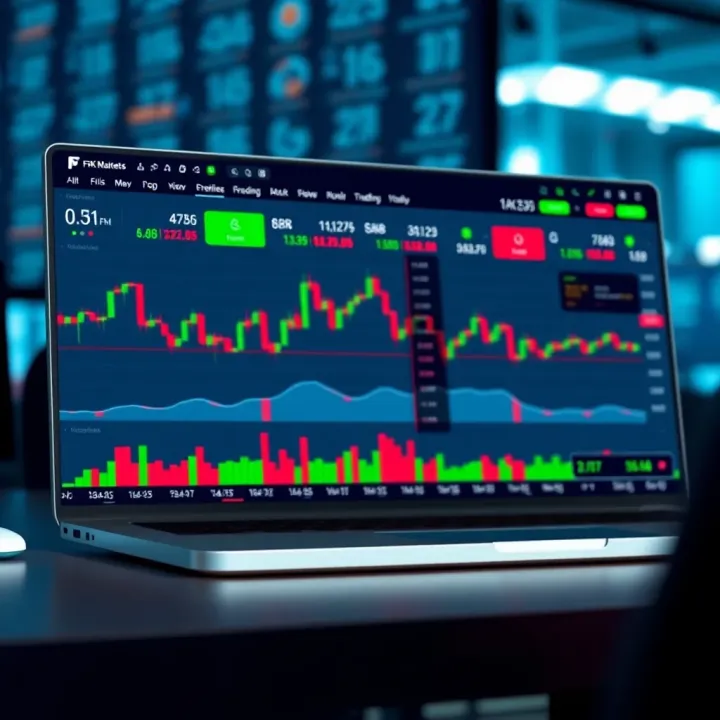
Trading Platform: FBK Markets offers web and mobile platforms designed to cater both novice and experienced traders. Key features include various order types, real-time charts, and risk management tools. South Africans should assess if these platforms support their preferred instruments and trading styles, especially considering forex and CFDs, which carry specific risks.
User Feedback: The true test often lies with existing customers. South African forums and review sites provide mixed opinions on FBK Markets. Some users praise fast executions and clean interface, while others highlight delays in withdrawals or customer service responsiveness. Such feedback helps you weigh pros and cons before trusting your capital.
Customer Support: How a broker treats you when issues arise speaks volumes. FBK Markets offers email and live chat support, though without a local South African helpline. Traders should consider if this meets their expectations, especially during volatile trading sessions when quick support might be crucial.
In short, while FBK Markets presents features typical of a modern broker, South African traders need to verify regulatory assurances and weigh user experiences firsthand. Staying informed and cautious can protect your investments from unnecessary risks.
Before diving into FBK Markets' legitimacy, understanding its background gives crucial context. Knowing the company’s services and registration can help traders judge whether it fits their needs and if they can trust it with their investments.
FBK Markets offers a variety of financial instruments, including forex pairs, indices, commodities, and cryptocurrencies. This diversity allows traders to explore different markets without switching brokers. For example, someone interested in gold futures or Bitcoin can find both options under one roof, which is handy for those who like to spread risk or try different strategies.
The broker’s selection reflects a focus on popular markets for retail traders, with an emphasis on CFD (Contracts for Difference) trading. CFDs let traders speculate on asset price changes without owning the underlying asset, which suits those seeking flexibility and access to global markets.
Regarding its target audience, FBK Markets mainly serves individual retail traders and smaller institutions looking for accessible trading platforms. Its services are aimed at both beginners, with simplified tools, and more advanced traders who might require detailed charting and analysis features. Markets covered range broadly but primarily include global currencies, major stock indices, and prominent commodities.
This approach suits South African traders who want exposure beyond the local JSE market, allowing them to trade forex or commodities globally from one account. However, it’s worth checking if the broker caters to your specific trading style or capital.
FBK Markets officially lists its headquarters in offshore locations, commonly in jurisdictions like Seychelles or the British Virgin Islands. This matters because it impacts the degree of regulatory oversight the broker is subject to. Offshore registration typically means lighter regulation compared to South African or European standards.
The exact registered address and history can signal the company's transparency. For instance, if a broker has changed addresses frequently or uses a virtual office, that might raise concern. FBK Markets is known to have been registered relatively recently, which doesn't automatically mean unreliability but should prompt traders to verify its track record carefully.
Registration details, such as licence numbers and company documents, provide formal identity but don’t guarantee trustworthiness. Traders should seek confirmation from the registering authority and be wary if the broker’s registration is with bodies that do not enforce strict compliance. This background check ties into assessing whether FBK Markets aligns with a trader’s risk appetite and regulatory comfort.
Understanding these basics about FBK Markets' service offerings and company background equips traders to make a more informed choice, rather than diving in blindly.
Regulatory compliance forms the backbone of trust for any financial broker, including FBK Markets. When assessing if a broker is legitimate, confirming their licensing and regulation status is crucial. This process ensures the broker operates under prescribed financial laws and ethical standards, offering South African traders a level of protection and accountability.
The FSCA is South Africa's official watchdog for financial market regulation. It ensures brokers adhere to rules that protect investors and maintain market integrity. If FBK Markets holds an FSCA licence, it means the broker complies with local laws, including consumer protection, financial soundness, and transparent practices. This status is vital for South African traders, as it offers a safety net against fraud and mishandling of client funds.
Traders often prefer FSCA-regulated brokers to avoid problems such as irregular withdrawals or unfair contract terms. Without FSCA oversight, brokers might operate offshore, outside the reliable reach of South African law.

Many brokers claim regulation from foreign agencies like the Financial Conduct Authority (FCA) in the UK, Cyprus Securities and Exchange Commission (CySEC), or the Australian Securities and Investments Commission (ASIC). While these are respected regulators, their protection may not fully extend to South African traders. For instance, a broker licensed exclusively offshore might not have the same obligations towards your local consumer protection laws.
Yet, some international regulation offers a degree of oversight and conduct standards, which can be better than being completely unregulated. It’s worth checking if FBK Markets holds such licences, but South African traders should remain cautious given jurisdictional gaps.
Trading with an unregulated or offshore broker exposes traders to significant risks. These include poor dispute resolution mechanisms, the possibility of sudden account freezes, and difficulties in recovering lost funds if the broker defaults or disappears. For example, some offshore brokers have been known to delay withdrawals or impose hidden fees without recourse.
Without FSCA regulation, there’s little the trader can do within South African legal channels. This lack of regulatory oversight can lead to a lack of transparency around trading conditions, pricing, and risk management, which might ultimately work against the trader’s interests.
For South African traders, the FSCA’s role includes enforcing rules that protect clients from misleading advice, misappropriation of funds, and operational misconduct. If FBK Markets is not FSCA-licensed, these legal protections don’t apply. That said, international regulations sometimes provide dispute resolution options via arbitration or specific ombudsman schemes, but these can be complicated and costly.
Ultimately, the safest route for investors seeking peace of mind is to rely on brokers authorised by the FSCA or at least regulated by reputable international bodies known for strict enforcement. This reduces exposure to scams and increases confidence that your funds and data are secure.
Always verify licensing details directly through the FSCA registry or recognised international regulator portals before committing funds to any broker.
FSCA licensing offers practical protections tailored for South African traders.
International regulation can provide some oversight but may lack local enforcement.
Being unregulated or operating offshore increases risks significantly.
Legal recourse might be limited if issues arise with an unregulated broker.
Careful regulatory checks can save traders from unnecessary losses and headaches while ensuring their investments are handled transparently and securely.
Assessing the trading platform and the tools FBK Markets offers is critical when deciding if it suits your trading style and needs. A platform that’s reliable and packed with practical tools can improve your capacity to respond quickly to market changes and help manage risk better. It’s not just about fancy features; the core elements like platform stability, user interface, and the range of indicators the platform offers make a real difference in daily trading.
Platform reliability and ease of use are fundamental. Traders often complain that a slow or glitchy platform can cost them valuable opportunities or lead to mistakes. FBK Markets' platform needs to provide smooth and uninterrupted access, avoiding crashes or freezing, especially during high-volatility periods. The interface should be intuitive enough for both novices and experienced traders to navigate without fumbling through complex menus. For example, having a clear dashboard that shows your open positions, balance, and recent trade activity at a glance is a straightforward feature but adds huge practical value.
On mobile and desktop options, accessibility is key. Many South African traders rely on mobile trading due to their busy schedules or limited access to desktop computers throughout the day. Having a mobile app that mirrors the functionality and reliability of the desktop version is a must. It should support real-time updates, easy order placement, and alerts for price movements. FBK Markets’ compatibility with popular desktop platforms and operating systems—Windows, Mac OS—as well as mobile operating systems like Android and iOS, will affect how widely accessible and convenient it is to trade anytime, anywhere.
Regarding available charting tools and indicators, these are the bread and butter for any trader serious about analysis. FBK Markets should offer a broad selection of technical indicators such as Moving Averages, RSI (Relative Strength Index), MACD (Moving Average Convergence Divergence), and Bollinger Bands. More importantly, these tools should be easy to apply, customise, and interpret. For instance, being able to draw trendlines or Fibonacci retracements on charts right inside the platform helps in planning entries and exits. If these tools aren’t user-friendly or lack variety, traders may be forced to use external charting services, adding complexity.
When it comes to order types and execution speed, the capacity to execute trades fast and with precision is non-negotiable. FBK Markets should support common order types like market, limit, stop-loss, and trailing stops, giving traders more control over their positions. Slow execution times risk slippage, especially on volatile assets—a big disadvantage for day traders or scalpers. Ideally, the platform’s technology should minimise delays between order placement and order execution so that you don’t end up in a worse price than expected. This aspect directly affects potential profitability and risk management.
Traders should remember: a good platform isn’t just flashy software but a reliable trading partner that reacts quickly to market moves and supports informed decision-making.
In summary, evaluating FBK Markets’ platform and tools helps you understand if it complements your trading style and gives you the confidence to trade efficiently amid the fast-moving markets common in South Africa and abroad.
Understanding what real users say about FBK Markets and how the broker is viewed within the industry is crucial for assessing its credibility. Traders often experience the day-to-day strengths and weaknesses of a platform firsthand, making their feedback a valuable resource. This section helps potential users separate genuine concerns from marketing spin or isolated incidents.
Withdrawal issues and delays are frequently the first red flags flagged by traders. Delays in cashing out funds can stop traders from accessing their money promptly, impacting their financial planning and trust in the broker. In some cases, clients report waiting several weeks to receive withdrawals or encountering unexpected fees. On the other hand, if FBK Markets processes withdrawals quickly and without hassle, this builds confidence and demonstrates operational maturity.
Customer support quality is equally important since efficient communication often reflects the broker's overall reliability. Traders who encounter problems or have urgent questions need support that is accessible, knowledgeable, and helpful. Complaints about slow response times, unhelpful agents, or language barriers can be deal-breakers. Conversely, positive feedback about friendly, prompt, and competent customer service encourages a sense of security and increases user satisfaction.
Review sites and trading forums provide platforms where users share their experiences more openly. Here, traders discuss everything from execution speeds to hidden charges. Monitoring these discussions can highlight recurring issues or consistent praise, aiding in a clearer picture. For example, a broker might be highly rated on one popular trading forum yet receive mixed reviews on finance review platforms, which signals the need for cautious interpretation.
Social media commentary adds another layer, often reflecting more spontaneous, real-time reactions to a broker's actions or market events. Traders might share alerts about sudden policy changes, promotions, or outages, offering a fresh pulse on the user experience. FBK Markets’ social media presence and how it handles public feedback can reveal how seriously it takes client relations and transparency.
In sum, scrutinising customer feedback and industry chatter helps traders identify potential risks and benefits that may not be immediately obvious through official broker information or marketing material.
This practical insight is particularly relevant for South African traders, given the region's unique market conditions and regulatory landscape. It equips them to avoid brokers with poor reputations and guides them towards more dependable options.
Ensuring the safety of client funds and personal data is a key factor in deciding whether to trade with any broker, including FBK Markets. For traders, especially in South Africa where market risks are already significant, knowing your money and information are protected makes all the difference. These safeguards minimise exposure to fraud, mismanagement, and cyber threats.
One crucial protective measure is whether FBK Markets keeps client funds separate from its operational accounts. Segregation means your deposits are held in separate bank accounts specifically reserved for client money, not commingled with the broker's own capital. Unfortunately, FBK Markets does not clearly state its policy on funds segregation on its website or documentation, which raises concerns.
This lack of transparency can affect your security as a trader. If a broker merges client money with business funds and later encounters financial trouble or insolvency, your deposits become part of the company's assets, putting your capital at risk. In contrast, properly segregated funds would generally be protected from creditors’ claims, providing a safety net for your investment.
As a practical example, some FSCA-regulated brokers in South Africa offer clear evidence of client fund segregation to comply with regulatory rules. This practice is a positive sign and something FBK Markets currently lacks, indicating a higher risk for traders using their platform.
Adherence to data protection laws, such as South Africa’s Protection of Personal Information Act (POPIA), is vital for any financial service provider. It ensures brokers handle your personal and financial information responsibly, limiting misuse or unauthorised sharing. FBK Markets mentions data confidentiality in its privacy policy but provides limited details about compliance with international or local data protection standards.
For traders, this means there's no clear assurance your sensitive details are fully safeguarded against breaches or misuse. In comparison, well-established brokers outline their POPIA or GDPR compliance, explaining how they secure user data and what steps they take if a breach occurs.
Beyond legal adherence, the practical security of your data is also about encryption technologies, secure servers, and regular security audits. If these aren't explicitly confirmed, it leaves traders vulnerable to cyber attacks or identity theft. Therefore, verifying a broker’s commitment to data privacy and protection can be as important as confirming their financial safeguards.
Always look for brokers that offer clear, accessible policies on fund segregation and data protection. These measures protect your capital and your identity, helping you trade with confidence.
In summary, FBK Markets' unclear stance on client fund segregation and limited detail on data privacy protocols raise red flags. South African traders who prioritise safety should carefully weigh these factors before committing funds or personal information to the platform.
Wrapping up whether FBK Markets is suitable for South African traders means weighing its regulatory standing, user reputation, and the quality of its offerings. Traders here face unique considerations, like the need for strong consumer protections and the comfort of dealing with brokers that comply with local financial laws. So, this conclusion aims to give a clear verdict based on those factors, helping you decide if FBK Markets fits your trading goals and safety expectations.
FBK Markets lacks oversight from South Africa’s Financial Sector Conduct Authority (FSCA), which raises a red flag for local traders. Regulation through FSCA not only assures that brokers meet strict standards in transparency and fairness but also provides a route for dispute resolution. Without it, traders may find themselves exposed if issues like sudden platform closures or fund mismanagement occur.
Beyond the FSCA, FBK Markets’ regulatory credentials internationally appear limited or obscure, which further complicates trustworthiness. While the platform offers a variety of instruments, the absence of clear regulation makes it tricky to guarantee order execution integrity or proper client fund segregation. Such factors underline the practical risks South Africans could face when choosing this broker.
From a risk standpoint, trading with FBK Markets carries notable uncertainties. The lack of recognised regulation means your investments might not be insulated from schemes or frauds, even if such risks are always present to some degree in trading. Withdrawal delays reported by users and customer support hurdles add to concerns. If you’re not comfortable dealing with a broker without clear regulatory backing, your funds and peace of mind could be at stake.
Traders looking for safer options should consider brokers licensed by the FSCA. Names like IG Markets or EasyEquities are examples that operate within South Africa’s legal framework, offering strong client funds protection and local recourse pathways. Their platforms are generally more transparent, often providing customer service tuned to local needs and loadshedding realities.
On the international front, some brokers outside South Africa have obtained recognition or partnerships approved by the FSCA. These include major global players like Saxo Bank or Interactive Brokers, which combine robust regulatory regimes with a wider trading range. Choosing such brokers balances access to international markets with the reassurance of some form of local compliance or oversight.
For South African traders, prioritising regulation and transparent practices is not just a legal matter—it’s about safeguarding your capital and making your trading experience less stressful and more predictable.
In summary, while FBK Markets might offer tempting trading features, its regulatory gaps and user feedback suggest considerable caution. South Africans are better off with brokers that have clearly demonstrated compliance with local laws or reputable international standards.
Explore FBK Markets micro account 💼: features, who it's for, trading instruments, conditions, risks & how to open. Ideal for South African traders seeking flexible options.

Explore FBK Markets, an online platform offering forex, commodities, indices & crypto trades. Get insights on accounts, fees & safety for South African traders 🇿🇦📈
Discover how to use the FBK Markets app for trading in South Africa 🇿🇦. From easy installation to secure trading and smart tips, get trading right on your mobile.

Explore evolving space markets 🚀, key players, tech advances, and how South Africa 🇿🇦 can join and benefit from this growing industry.
Based on 9 reviews