
Rand to Dollar Exchange Rate Forecast and Insights
🔍 Explore the rand to dollar forecast with insights on economic & political factors shaping exchange rates. Stay informed for smarter investments! 💹
Edited By
James Thornton
Predicting tomorrow's US dollar to South African rand (USD/ZAR) exchange rate requires a close look at several key factors that influence currency fluctuations daily. Traders, investors, and economists need clear insight into economic data releases, geopolitical developments, and market sentiment to anticipate how the rand may perform against the dollar.
One practical starting point is monitoring South Africa’s economic indicators scheduled for release, such as inflation figures, trade balances, or interest rate decisions by the South African Reserve Bank (SARB). For example, stronger-than-expected consumer price inflation could signal higher interest rates ahead, often supporting the rand’s value, while weaker growth data might weaken it.
On the global stage, the US dollar’s strength tends to react sharply to Federal Reserve announcements about interest rate tweaks or inflation outlooks. A hawkish Fed stance usually bolsters the dollar, putting downward pressure on the rand. Keep an eye on US employment data and crude oil prices too, as they often sway investor risk appetite broadly.
Currency markets like USD/ZAR also respond to sudden political events or shifts in investor sentiment. An unexpected Eskom loadshedding escalation or new municipal protests, for instance, might weigh negatively on the rand within hours.
Market trends observed through volume and price movements give clues about short-term momentum. Watching technical support and resistance levels on USD/ZAR charts helps inform entry or exit points for trades.
To sum up, the dollar to rand prediction for tomorrow blends:
Local economic data releases
SARB policy expectations
US economic signals and Fed policy
Global commodity price trends
Political risk or stability factors
Technical market indicators
By understanding these factors, you can better interpret currency forecasts and manage exposure to volatile swings in USD/ZAR. Staying well-informed is essential, especially amid South Africa’s unique challenges around energy supply and political dynamics that often impact confidence in the rand.
Grasping the dynamics of the dollar to rand exchange rate is key for traders, investors, and even businesses that operate cross-border. This rate dictates how much one US dollar will fetch in South African rand. For instance, a slight fluctuation from R17 to R17.50 can significantly impact import costs or the rand value of overseas earnings. Understanding how this rate moves helps in timing trades or hedging effectively, which can make a big difference given the rand's typical volatility.
Currency exchange operates as a marketplace where currencies are bought and sold based on their perceived value relative to one another. It’s similar to buying petrol for your car; you pay for one type of ‘fuel’ (currency) to get another. The dollar to rand rate tells you the price of one unit of US dollars in rand terms. This plays a huge role for South African businesses importing goods or travellers converting money.
Exchange rates fluctuate constantly, influenced by economic fundamentals and market forces. These changes reflect the ongoing balancing act of supply and demand across buyers and sellers worldwide.
Supply and demand directly affect the price of the rand against the dollar. If a lot of investors want to buy dollars for their South African investments or travel, demand for the dollar rises, pushing its price up relative to the rand. Conversely, if more dollars flood into South Africa—say, through increased exports or foreign investment—then the rand might strengthen as there is more supply of dollars.
Imagine a local market stall where customers suddenly crave more apples than pears; apple prices will rise due to demand outstripping supply. Similarly, the more traders and businesses require dollars, the stronger the dollar becomes against the rand and vice versa.
Economic indicators such as inflation rates, GDP growth, and trade balances from both South Africa and the US provide clues about currency strength. For example, if South Africa’s inflation unexpectedly rises, the rand may weaken as it erodes purchasing power. On the other hand, positive US employment data can boost the dollar, pulling the rand down against it.
These data releases are like weather reports for currency traders—unexpected winds can cause sharp moves. Staying updated helps participants anticipate shifts rather than react too late.
Politics can unsettle or bolster confidence in a currency. In South Africa, headlines about policy changes, cabinet reshuffles, or service delivery protests often affect rand sentiment. For instance, a government announcing business-friendly reforms might lift the rand by attracting investor interest.
Across the Atlantic, US political uncertainty or shifts in monetary policy outlook also ripple through currency markets. Traders might move funds quickly to safer havens like the US dollar if global instability rises.
Broader themes like commodity prices and risk appetite wield influence too. South Africa’s economy links heavily to commodity exports such as platinum and gold. When global prices climb, foreign income increases, supporting the rand. But if prices drop, the rand tends to suffer.
Meanwhile, geopolitical tensions or international economic slowdowns can send investors fleeing risky currencies (like the rand) towards safe-haven ones, including the US dollar. These global shifts sometimes overshadow local factors.
For anyone following the dollar to rand rate, recognising these core principles and influences offers a better foundation for understanding tomorrow’s movements and making smarter decisions.
Economic indicators hold significant sway over the Dollar to Rand rate, especially when predicting tomorrow's movement. Traders and investors keep a keen eye on these figures because they reflect the health of both South Africa's and the US's economies. Sharp changes or unexpected results in these indicators often trigger swift currency adjustments. For instance, a stronger-than-expected inflation reading in South Africa can lead to Rand weakness as it raises concerns about potential interest rate hikes or continued economic strain.
Inflation measures how much prices for goods and services increase over time. For South Africa, the Consumer Price Index (CPI) is the main gauge watched closely. If inflation rises quickly, the South African Reserve Bank (SARB) might tighten monetary policy, boosting interest rates to cool things down. This often strengthens the Rand as higher rates attract foreign investment. Conversely, unexpectedly low inflation can weaken the Rand since it may signal slower economic growth or less aggressive monetary policy ahead.
The trade balance shows the difference between exports and imports. A surplus means South Africa exports more than it imports, which adds demand for the Rand and typically supports its value. For example, a surge in gold or platinum exports can cause a positive swing in the Rand. On the other hand, a trade deficit puts downwards pressure as more Rand is exchanged for foreign currencies to pay for imports like oil or machinery.
Gross Domestic Product (GDP) growth provides a snapshot of how the economy is performing overall. Strong GDP growth usually bolsters confidence in the Rand since it suggests a healthy economy attracting investment. A slowdown or contraction might prompt caution among investors, weakening the currency. For instance, if quarterly GDP figures show South Africa's economy expanding unexpectedly, this could lift the Rand against the Dollar in the short term.
When the US Federal Reserve adjusts interest rates, it changes the attractiveness of the US Dollar. A rate hike tends to strengthen the Dollar, often at the Rand's expense, as investors seek higher returns in the US. Conversely, if the Fed signals a pause or cut, pressure on the Dollar may ease, providing some relief to the Rand. Traders monitor these announcements closely, as they usually cause quick, volatile reactions in the Dollar-Rand exchange.
US employment data, particularly the monthly Nonfarm Payrolls report, reveals the health of the American job market. Strong jobs growth tends to indicate a robust economy, reinforcing the Dollar. Weak reports raise doubts about economic momentum, which can soften the Dollar and consequently support the Rand. For instance, if the latest employment figures fall short of expectations, the Rand might gain some ground against the Dollar as investors adjust their outlook.
Beyond raw data, the Fed's communication—even subtle changes in tone during press conferences or minutes—plays a crucial role. Clear signals that monetary policy will remain tight can strengthen the Dollar and pressure the Rand. If the Fed hints at a slower pace of hikes or greater caution due to global uncertainties, this may cause the Dollar to weaken, benefiting emerging market currencies like the Rand.
Monitoring these key economic indicators is vital for anticipating shifts in the Dollar to Rand exchange rate, allowing for smarter trading and investment decisions based on the latest economic realities.
Understanding market sentiment and external influences is essential for grasping tomorrow's dollar to rand rate. These factors capture the feelings and reactions of traders and investors, which can move currency prices even before economic data or political events officially land. By tracking sentiment shifts and external shocks, you get a clearer sense of short-term volatility and possible direction changes.
Commodity price fluctuations significantly impact the rand, given South Africa's status as a key commodity exporter. Changes in prices for gold, platinum, and coal directly influence the rand’s strength. For instance, a sudden drop in gold prices usually weighs on the rand, as it reduces the inflow of hard currency. Conversely, a bump in platinum or coal prices can boost export revenues and support the rand's value. Traders paying attention to futures markets and international demand signals can often anticipate rand moves tied to commodity swings.
Geopolitical developments elsewhere in the world also sway the dollar to rand exchange rate. Political tensions, such as U.S.-China trade disputes or instability in oil-producing regions, can rattle global markets. When geopolitical risk rises, investors typically flee to safer assets like the US dollar, putting downward pressure on emerging-market currencies, including the rand. An example is when protests or elections in neighbouring countries spark regional uncertainty, leading to a weaker rand on the forex markets.
Risk appetite and safe-haven flows matter a great deal for the rand’s performance. When investors feel comfortable, they tend to move funds into higher-yielding but riskier assets like the rand. Yet, when fear creeps in—perhaps due to global tumults or poor domestic news—they retreat into “safe havens” such as the US dollar or Swiss franc. This dynamic explains why the rand often weakens during sharp downturns in global equity markets.
Speculative trading patterns present another layer to watch in tomorrow’s dollar to rand prediction. Speculators execute large, short-term trades influenced by technical signals or upcoming events, sometimes amplifying currency swings. For example, if technical indicators point to a breaching support level on the rand, algorithmic or high-frequency traders might trigger a wave of selling. Understanding these speculative moves offers traders an edge, allowing them to anticipate sudden rand volatility that fundamentals alone do not explain.
Traders and analysts who monitor market sentiment and external shocks gain an advantage in reading tomorrow’s dollar to rand trends. Paying attention to commodity price trends, geopolitical risks, risk-on/off moods, and speculative moves sharpens forecasting beyond the numbers.
By combining these sentiment and external factors with economic data, you can better navigate the rand's mood swings and position appropriately ahead of changes in the exchange rate.
Forecasting the Dollar to Rand exchange rate for tomorrow is no simple feat. It requires a mix of techniques that analyse past movements and anticipate future shifts based on data and sentiment. Understanding these methods helps traders and investors gauge likely outcomes and prepare strategies accordingly. Many rely on a blend of technical tools and expert insights to form a clearer picture amid the usual market noise.
Chart patterns and trends offer a straightforward way to spot recurring signals in price movements. Traders watch for familiar shapes like head and shoulders, flags, or double tops on the exchange rate charts. For instance, a sustained upward trend over recent sessions could suggest continued rand weakness, prompting timely forex decisions. Recognising such patterns often indicates market psychology—whether speculators are bullish or bearish.
Besides patterns, identifying trends—whether the rate is making higher highs or lower lows—helps predict if the movement is likely to persist tomorrow. This approach fits traders who prefer evidence based purely on price action rather than underlying news.
Moving averages and indicators smooth out price fluctuations, highlighting the general direction and momentum. A common technique is watching if the short-term moving average crosses above a longer one—known as a golden cross—potentially signalling a rand rally against the dollar. Conversely, a death cross could warn of further rand losses.
Other indicators like the Relative Strength Index (RSI) or MACD provide clues on overbought or oversold conditions, vital for timing entries or exits. For example, an RSI near 70 might imply the rand is overvalued and due for correction. These tools offer a more quantitative edge, helping users base decisions on clear, measurable signals.
Analyst reports remain a key resource. Experts at banks and financial firms combine economic data, political events, and trends to deliver well-rounded forecasts. Their analysis often covers risk factors like the impact of upcoming inflation releases in South Africa or US Federal Reserve signals that could sway the dollar.
For instance, an analyst might warn that a surprise interest rate hike in the US could strengthen the dollar, putting pressure on the rand. Incorporating such insights can help businesses and traders anticipate volatility spikes, rather than merely react.
Algorithmic predictions use computational models to process vast data sets quickly, identifying patterns too subtle for human eyes. These models examine a range of inputs—historical prices, macroeconomic stats, even social media sentiment—to project likely rate movements for tomorrow.
While algorithms can be sharp and fast, they aren't foolproof. Sudden geopolitical shocks or unexpected news can still catch systems off guard. However, combining algorithmic forecasts with human judgement generally improves accuracy, offering a balanced approach especially for risk-averse stakeholders.
Assessing tomorrow’s Dollar to Rand prediction benefits greatly from blending technical signals with expert analysis and computational models. Each method brings a piece of the puzzle, aiding clearer decisions amid currency volatility.
For traders, investors, and businesses involved in currency exchange, navigating the Dollar to Rand fluctuations effectively means having solid strategies to manage risks and staying well-informed. Sudden shifts in exchange rates can turn profits to losses fast, so practical advice centred on risk management and information gathering is vital. This section breaks down key approaches that help reduce exposure to volatility and make smarter choices.
Hedging strategies offer a practical shield against unpredictable currency moves. Many South African businesses that import goods or services denominated in US dollars, for instance, use forward contracts or options to lock in exchange rates ahead of time. Imagine a Durban-based clothing retailer expecting to pay suppliers in dollars next month; by agreeing today’s rate via a forward contract, the retailer avoids unexpected cost hikes if the Rand weakens tomorrow. This certainty assists with cash flow planning and protects margins.
Besides forward contracts, some firms explore currency swaps or multi-currency accounts to balance foreign exchange exposure. While hedging requires some cost and understanding, it’s a key tool for smoothing out currency-driven uncertainties.
Timing currency exchanges effectively can play a significant role, too. Monitoring market patterns and economic announcements helps identify favourable windows to buy or sell dollars. For example, if the Reserve Bank in Pretoria signals a policy shift leading to Rand strength, exchanging currency sooner can secure a better rate. However, timing is tricky; waiting for perfect conditions may backfire as markets turn unexpectedly. Combining timing with hedging reduces risk, rather than relying solely on predicting short-term moves.
Using financial news channels aids in grasping the evolving context behind exchange rates. Keeping track of credible platforms such as BusinessDay, MyBroadband, and Moneyweb ensures access to timely analysis on Rand performance and external factors like Zuma's recent trade deal or Eskom’s loadshedding impact. Regularly reviewing these insights sharpens situational awareness, avoiding costly surprises.
Monitoring local and international data releases is equally critical. Economic indicators from South Africa – inflation stats, GDP growth – and US figures – employment data, Federal Reserve decisions – directly influence Dollar to Rand rates. Traders depend on calendars highlighting when such data drops. For example, a weaker-than-expected US unemployment rate often strengthens the dollar, making Rand conversions more costly. Spotting these trends ahead helps plan transactions with less guesswork.
Staying informed and applying risk management are twin pillars in handling currency risk effectively. Neither works alone; proactive preparation combined with up-to-date knowledge equips you to face tomorrow’s Dollar to Rand shifts with confidence.
🔍 Explore the rand to dollar forecast with insights on economic & political factors shaping exchange rates. Stay informed for smarter investments! 💹
💹 Understand how global events and local economies influence the dollar to rand exchange rate. Stay ahead to manage travel, trade, and savings in Rands wisely.
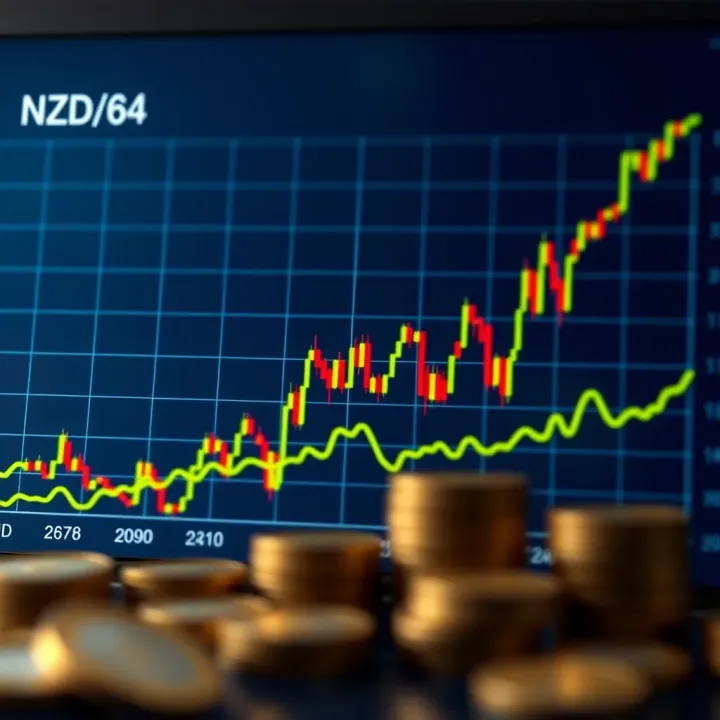
Explore how the NZ Dollar to Rand exchange rate moves with economic and political shifts 🇳🇿💱🇿🇦. Learn forecasting tips and what traders and businesses need to know.
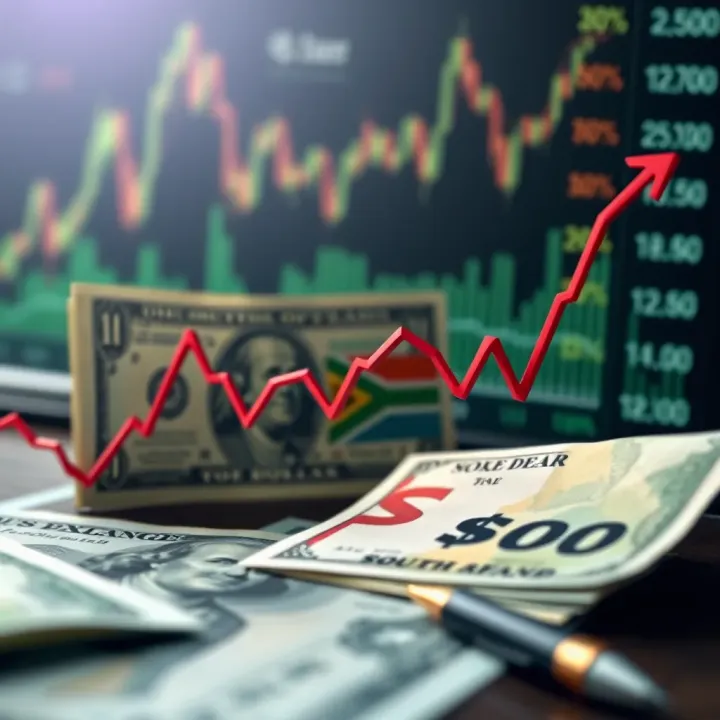
📉 Get a clear view of the US dollar to South African rand exchange rate for 2025, including economic trends, geopolitical impacts, and expert insights for smart financial planning.
Based on 5 reviews